


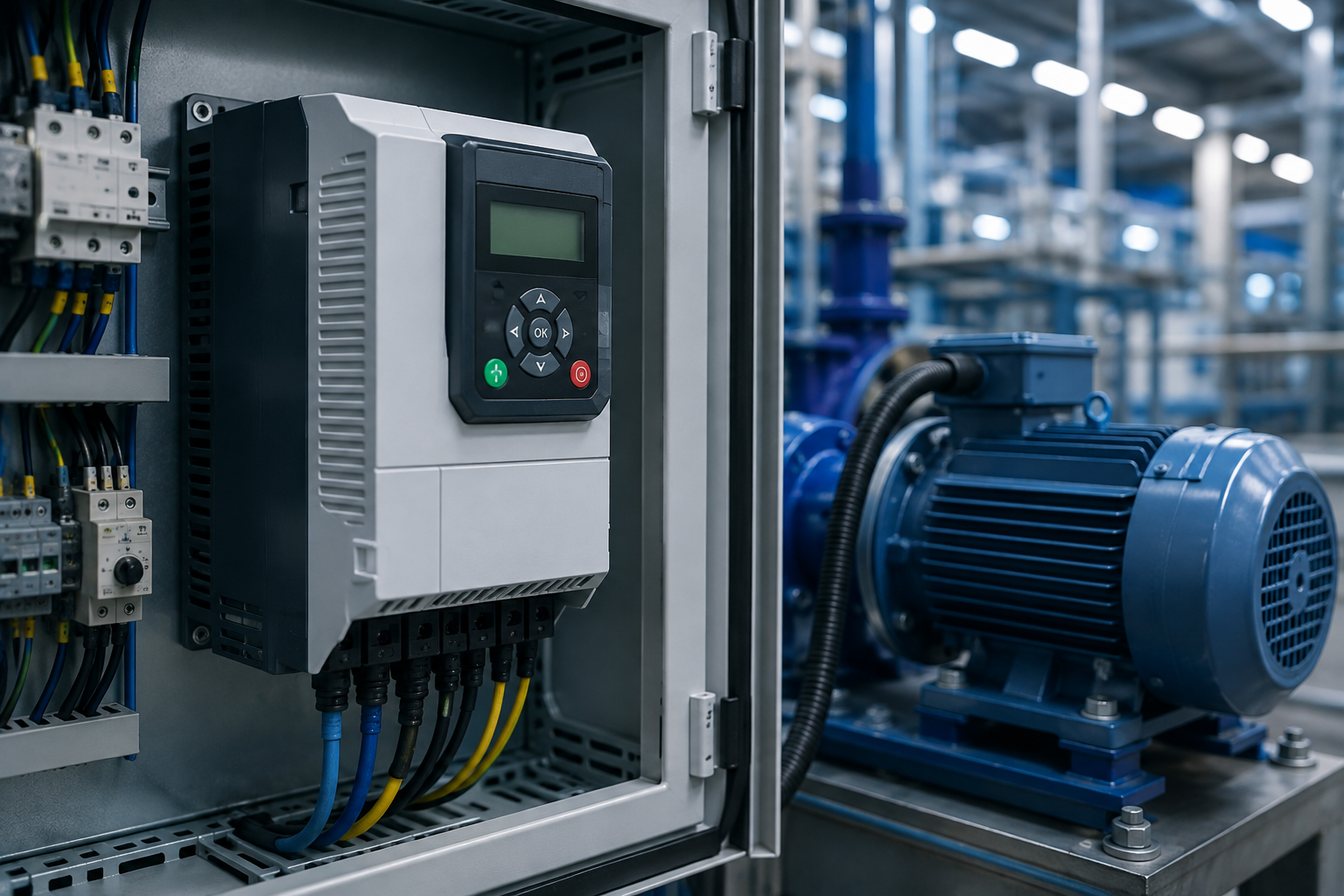
Variable Frequency Drives (VFDs) are an important part of modern industrial automation, helping manufacturers control the speed, torque, and operation of electric motors. Lenze VFDs are designed for applications where precise motor control, efficient operation, and reliable machine performance are important. Check here- https://www.qfautomation.com/brand/lenze
What is a Lenze VFD?
A Variable Frequency Drive controls an AC motor by adjusting the frequency and voltage of the electrical power supplied to the motor. Instead of running a motor continuously at a fixed speed, a VFD allows its operating speed to be adjusted according to the requirements of the machine.
This makes VFDs useful across applications such as conveyors, pumps, fans, packaging machinery, material-handling equipment, and other automated systems.
How Lenze VFDs Improve Motor Control?
A Lenze VFD can provide more controlled motor operation compared with traditional fixed-speed arrangements. By adjusting motor speed according to process requirements, manufacturers can achieve smoother machine performance and avoid unnecessary full-speed operation.
Key advantages include:
• Adjustable motor speed: Match motor speed to application requirements.
• Smooth starting and stopping: Reduce sudden mechanical stress during acceleration and deceleration.
• Improved process control: Maintain more consistent operating speeds in automated machinery.
• Potential energy savings: Reduce motor speed when full output is not required, particularly in suitable variable-torque applications.
• Reduced mechanical stress: Controlled acceleration can help minimize shocks to connected equipment.
Where are Lenze VFDs Used?
Lenze drive technology can be applied to a wide range of industrial machinery. Conveyor systems, for example, can use variable-speed control to regulate material flow, while pumps and fans can adjust their operating speed according to process demand.
In packaging and manufacturing equipment, controlled motor speed can also contribute to consistent machine cycles and coordinated movement.
Choosing the Right Lenze VFD
Selecting a VFD should not be based on motor power alone. Factors such as motor type, rated current, required speed range, torque requirements, overload capacity, control method, operating environment, and communication requirements should also be considered.
For businesses sourcing Lenze automation components, Quantum First Automation can help identify suitable Lenze products based on specific machine and application requirements. Their range of industrial automation components can provide options for businesses looking for reliable drive and motion-control solutions.
The right Lenze drive should ultimately be selected according to the motor, application, control requirements, and operating conditions rather than simply choosing the highest-rated model.
Conclusion
Lenze VFDs provide a practical way to achieve controlled and flexible motor operation in industrial automation. By regulating motor speed and supporting smoother acceleration and deceleration, VFD technology can improve machine control while potentially reducing energy consumption in suitable applications.
For manufacturers and automation professionals, understanding the application requirements before selecting a VFD can help create a more reliable and efficient motor-control system.
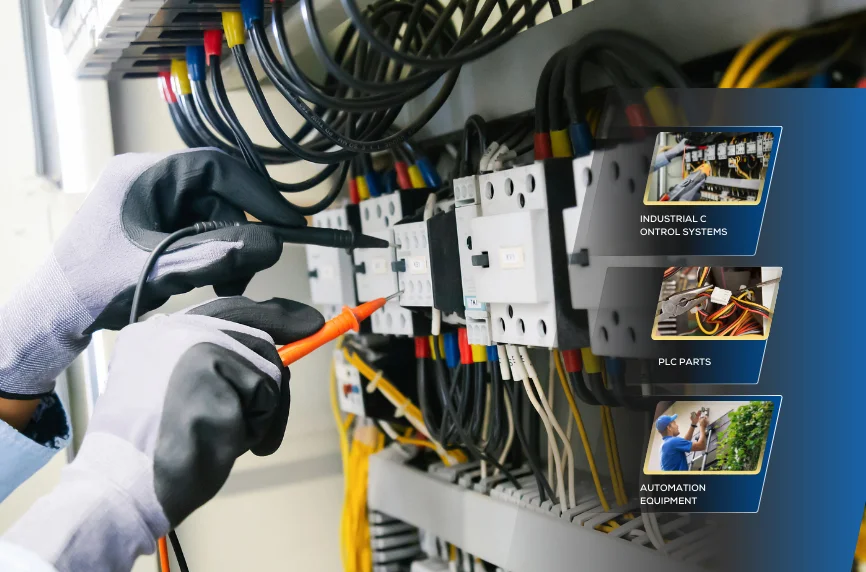


Buy the very best variable frequency drives depending on your specific requirements for single or three phase input, ac or dc type, any horsepower from 0.083hp to 3000hp or any current rating.
We have VFDs for everyone.Lenze Drives
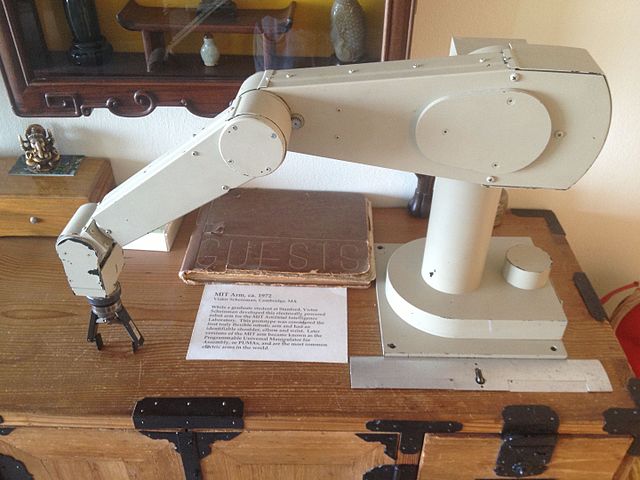
Get FREE Sample Report Before Buying @ https://www.upmarketresearch.com/home/requested_sample/3363 UpMarketResearch offers a latest published report on “GlobalRobot Servo Motors Market Analysis and Forecast 2018-2023” delivering key insights and providing a competitive advantage to clients through a detailed report.
The report contains 139 pages which highly exhibit on current market analysis scenario, upcoming as well as future opportunities, revenue growth, pricing and profitability.
Further, key players, major collaborations, merger & acquisitions along with trending innovation and business policies are reviewed in the report.
The numerical data is backed up by statistical tools such as SWOT analysis, BCG matrix, SCOT analysis, PESTLE analysis and so on.
The statistics are represented in graphical format for a clear understanding on facts and figures.
The generated report is firmly based on primary research, interviews with top executives, news sources and information insiders.
The "Industrial Robot Servo Motors Market" report includes an in-depth analysis of the global Industrial Robot Servo Motors market for the present as well as forecast period.
The report encompasses the competition landscape entailing share analysis of the key players in the Industrial Robot Servo Motors market based on their revenues and other significant factors.
The well-known players in the market are FANUC, Servotronix Motion Control, Kollmorgen, Lenze, ABB, Bosch Rexroth, Siemens, Yaskawa America, Mitsubishi Electric Automation, Yokogawa, TOSHIBA, OMRON Corporation, Emerson Electric, Baldor Electric Company, Parker.The company profiles presented in the report include company synopsis, business tactics adopted, and major developments.
The report also includes the companies active in product expansions and innovating new advanced technology intending to develop huge opportunities for the Industrial Robot Servo Motors market.Apply here for the free sample copy of the Industrial Robot Servo Motors Market reportThe report also provides the market dynamics such as drivers, restraints, strategies & guidelines, trends, avenues, and technological improvements anticipated to have an impact on the Industrial Robot Servo Motors Market growth in the projected period.
Further, the report also reviews the market in terms of value [USD Million] and size [k. MT] across diverse regions.Read Detailed Research Study at:: https://www.syndicatemarketresearch.com/market-analysis/industrial-robot-servo-motors-market.htmlMoreover, the report comprises major developments made in the Industrial Robot Servo Motors market.
The report involves the value chain analysis which denotes workflow in the Industrial Robot Servo Motors market.