





In aquaculture, there is growing interest in using beneficial bacteria, or probiotics, as an alternative to antimicrobial chemicals for disease prevention and management. These naturally occurring bacteria benefit the host by altering the microbial population associated with it, assuring better utilization of the feed or increasing its nutritional content, and strengthening the host's reaction to the disease.
The key to good animal health is to have a healthy gut. Antimicrobial chemicals have resulted in the development of resistance among bacterial populations, hence probiotic therapies offer a viable option. The selection of probiotic strains must be done with great care, as it is critical to ensure that bacteria are beneficial to the host and able to thrive in the gut and aquatic environment. Lactic acid-producing bacteria, such as Enterococcus faecium, have attracted a lot of attention. Multi-species products have shown that when combined with other beneficial bacteria, it is possible for synergistic bacteria with complementary modes of action to improve the health and zootechnical performance of farmed aquatic species.
Probiotics and their benefits
The use of helpful microorganisms, or probiotics like aquaculture probiotic ecosense and aquaculture probiotics sanero, as an alternative to antimicrobial chemicals for disease prevention and control in aquaculture is gaining popularity. These naturally occurring bacteria benefit the host by altering the microbial population associated with the host, assuring better utilization of the feed or increasing its nutritional content, or improving the host's reaction to sickness. Probiotics promote the growth and survival of fish and shrimp at the animal level by altering the host-associated or ambient microbial community.
Feed application of probiotics for intestinal health
Healthy gut microbiota is essential for the animal's growth and wellbeing, as the microflora influences:
- Nutrition,
- The prevention of pathogenic infections,
- The integrity and function of digestive organs,
- The development of the immune system
The gut microbiota is modulated by probiotic bacteria to a more favorable makeup. As a result, probiotics should be chosen for aquaculture based on their antimicrobial activity (through competitive exclusion), growth, adhesion to intestinal mucus, and generation of beneficial chemicals. Because aquatic organisms are cultured under a variety of conditions, salinity and the ideal temperature range should be taken into account while choosing the proper probiotic strain. Another point to consider is that probiotics are not harmful. After all, probiotics should aid inefficient, long-term production while also supporting healthy, robust animals.
Lactic acid bacteria (LAB) are known to be found in the intestine of healthy fish and are therefore suitable probiotic options in aquaculture. Enterococcus faecium is one of the most extensively utilized lactic acid generating bacteria in animal nutrition, and its application in commercially farmed aquatic species has gotten a lot of attention. Enterococci are Gram-positive, facultative anaerobic bacteria that can survive in the absence of oxygen.
Several studies looked into the usage of the bacteriocin-producing E. faecium with probiotic qualities alone or in conjunction with other helpful gut bacteria.
Why is there still doubt?
Although there is experimental evidence that using beneficial bacteria as a preventative measure can improve the health and performance of farmed aquatic species, there are still some reservations. Improper management procedures and product quality can have an impact on the outcome, such as:
- Incorrect application methods
(e. g. simultaneous use of chemicals or antibiotics)
- Incorrect claims of probiotics, which can´t be fulfilled
(e. g. for white spot syndrome)
- Too low bacterial concentrations
(colony forming units should be above 108/g)
- During production and storage, there is a lack of bacterial stability
Production of "probiotics" in the backyard
For the selection of acceptable strains, high numbers of live organisms and stability during manufacturing and storage are crucial parameters. Strain safety must also be carefully checked, and transmission of antibiotic resistance or virulent plasmids must be avoided. The ability of beneficial bacteria to survive and thrive in culture conditions, as well as their ability to colonize the guts of aquatic animals, is also critical.
In addition to inappropriate probiotic management, the usage of "fake" probiotics, which have unusual manufacturing procedures and/or an unclear blend of bacteria cultured in the "backyard," might raise questions regarding probiotics' major impacts and advantages.
Conclusion
Probiotics like aquaculture probiotic ecosense and aquaculture probiotics sanero, given in feed and water, have been shown to be effective in aquaculture applications. The success of probiotic supplementation, on the other hand, is determined by the strains, concentrations, and administration methods used. Selected strains and carefully monitored production conditions are the foundations of effective probiotics. Low-quality and insufficient probiotics are frequently linked to poor effects.
Well-defined probiotic strains, such as Enterococcus faecium, have been proven to lower pathogenic bacteria, improve gut health, and increase performance and efficiency in aquatic species production.


Most Effective ProbioticProgurt’s best probiotics are a great way to aid digestive health and help rebuild and rebalance gut flora.
Consuming probiotics is a great way to help our gut microbiome.
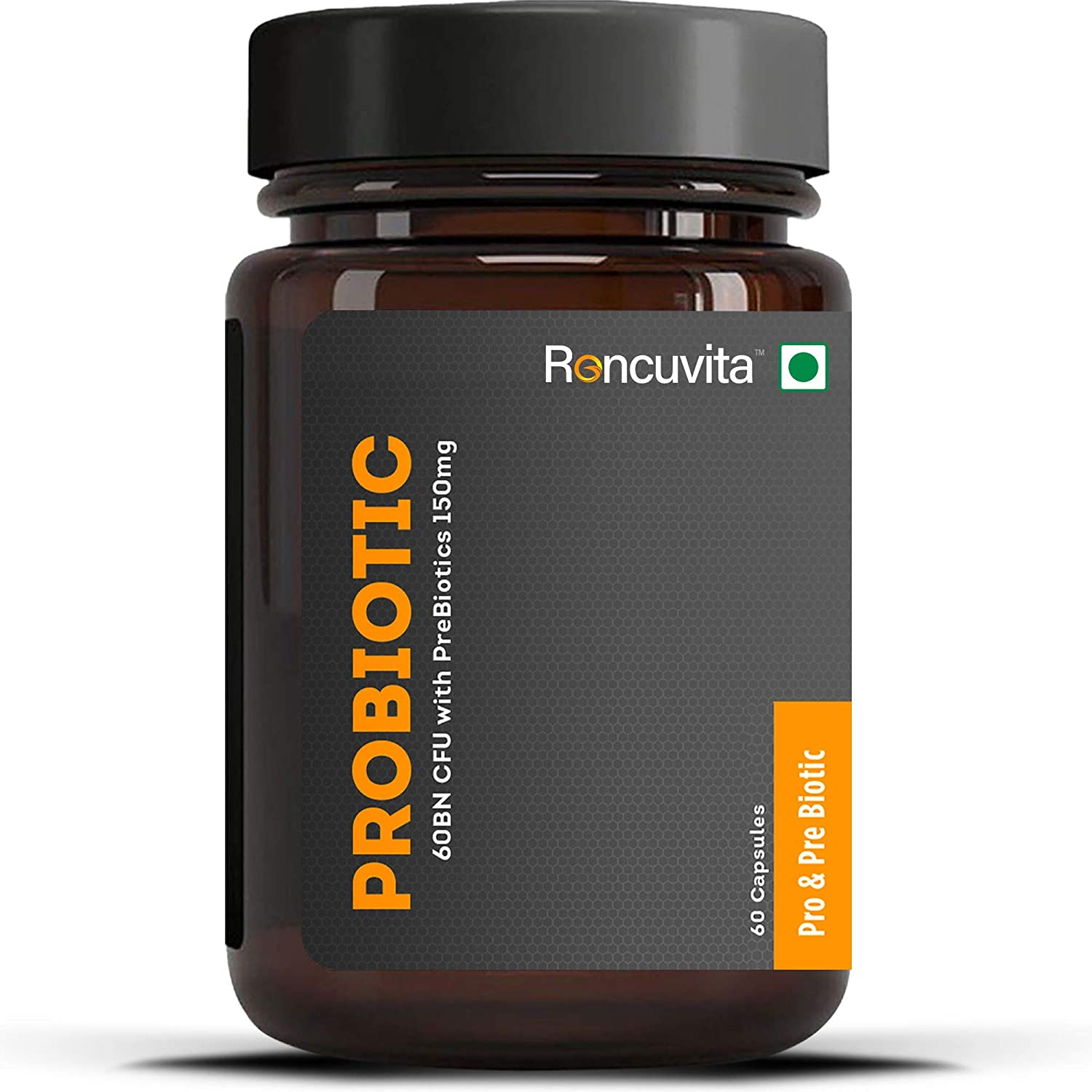
While unhealthy bacterias cause infections and diseases, such as tuberculosis, healthy bacteria helps with digestion and absorption of important nutrients.
You can get probiotics from the following food sources:YogurtTempehKimchiSauerkraut Apart from this, you can also consume food or products that contain both prebiotics and probiotics, products that are popularly known as synbiotics.
Types of probiotic bacteria:LactobacillusBifidobacteria Other strains are available as well, but the aforementioned two are the most popular ones.Benefits of Probiotic SupplementsProbiotics provide many health benefits including better immune system and digestive system.
Let’s look at some of the most essential benefits of consuming probiotic supplements.Increase Friendly Bacteria in your GutBecause of consuming antibiotics directly or poultry treated with antibiotics, our body loses a lot of healthy bacteria, which are responsible for breaking down complex nutrition sources.
This leads to constipation and gas.
While you should generally consume probiotics, its consumption becomes even more important when you’re taking antibiotic medications.Prevents and Treats DiarrheaWith an ability to prevent and treat diarrhea, probiotics become a necessary supplement for everyone.

The global Probiotics Market was estimated at over USD 32 billion in 2015.
Probiotics are living microorganisms enhance the immune system and help in various urological intestinal disorders.Prebiotics provide health benefits beyond the traditional nutritional function therefore, they are considered as functional foods.
The growth of the functional food industry is expected to drive the market in the coming years.Lack of awareness among the consumers about the benefits of probiotics in some regions can hinder market growth.
The market is segmented into applications, end-users, and regions.On the basis of applications the market is divided into dietary supplements, food & beverages, and animal feed.
This sector consists of bakery, breakfast cereals, dairy, fermented meat, fats & oils, fish & eggs, and soy products.Browse Details of Report @ https://www.hexaresearch.com/research-report/probiotics-marketDietary supplement demand is likely to witness the fastest growth during the forecast period.
These supplements are commercially found in forms of capsules, powders, and tablets.End-users include human probiotics and animal probiotics.