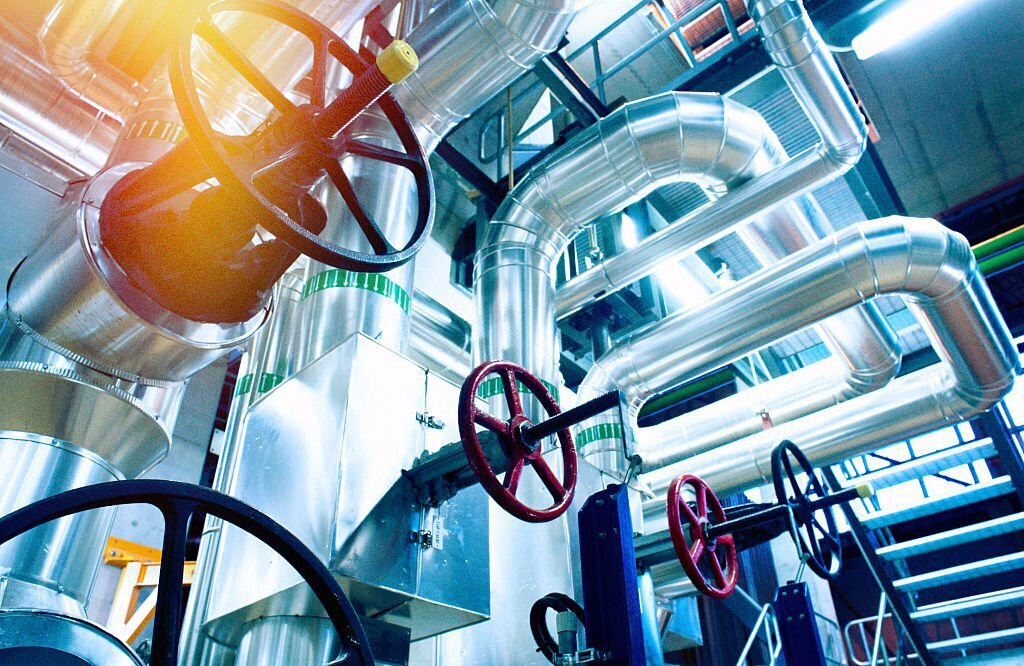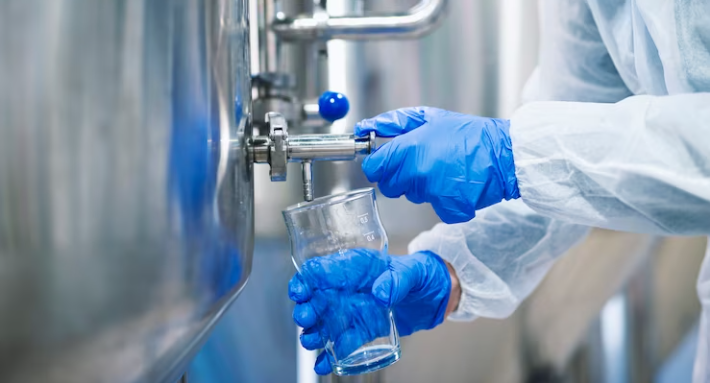
Industrial water treatment is a procedure that may be performed before or after various manufacturing operations. For instance, the water used in your company's boilers and cooling towers may first need treatment. Other industries that benefit from treated industrial water include the food and beverage industry for ingredient water and the automobile sector for treating process water for reuse or disposal.
Methods for Treating Industrial Water
Process management is essential for industrial-scale water treatment. It is crucial to know your alternatives, even though not all water chemistries will need every technique. The overall objective is to reduce danger throughout any water manufacturing procedure. Typical techniques used for the purification water for industrial use include:
- Filtration
- Softening \sDealkalization
- Osmosis in reverse
- Nanofiltration
- Exchanging ions
Sediment, organic matter, and turbidity may all be eliminated with filtration. With a softener, the hardness in the water is gone. Dealkalization then lowers the alkalinity to prevent further scale formation. Because of its high operating expenses and limited efficacy, this procedure is frequently seen as archaic, even though it may be adequate for particular applications.
Nanofiltration and reverse osmosis are two methods that may be used to cleanse industrial water, and they both have the potential to achieve the desired level of purification. Although nanofiltration may eliminate germs and hardness, reverse osmosis can eliminate even more impurities, rejecting a large fraction of the total dissolved solids.
The chemical process of ion exchange is used to get rid of undesirable ions from water by replacing them with others.
How to Choose the Best Method for Treating Industrial Water
These techniques for purifying water for industrial usage are effective and widely used. To successfully filter water, it is necessary to have a basic grasp of the procedures used in industrial water treatment.



ServicesBest services that we offer for your safety and your familyprovides a location in Water Treatment System In Wyoming, MI, Water System Inspection Wyoming, MIQuality ServiceIs Our Guarantee :We offer a wide scope of water framework administrations took into account both private and business customers.
Indeed, even the almighty Pointing has no control about the visually impaired texts.1) Water SystemInspection :We can Inspect water framework in both private and business, with a gifted examiner for your space.Michigan Water Purification Wyoming,MI, Water Treatment System In Wyoming, MI 2) Drinking WaterFilters :You can Entrust your water channels best for your everyday needs and best to your family's wellbeing.3) WaterPurification :We can do the water purging which transforms your water into a protected, Michigan Water Purification Wyoming,MI, Water Treatment System In Wyoming, MI perfect and drinkable water so your entire family will partake in each drop without any concerns.Aquasafe Water SystemsSupport -Need any help?Try not to spare a moment to message us and pose inquiries with respect to yourthe water framework needs.Basically, finish up the structure or you can call us straightforwardly, to getthe quick solution to your inquiriesvisit site: https://aquasafewatersystems.com/