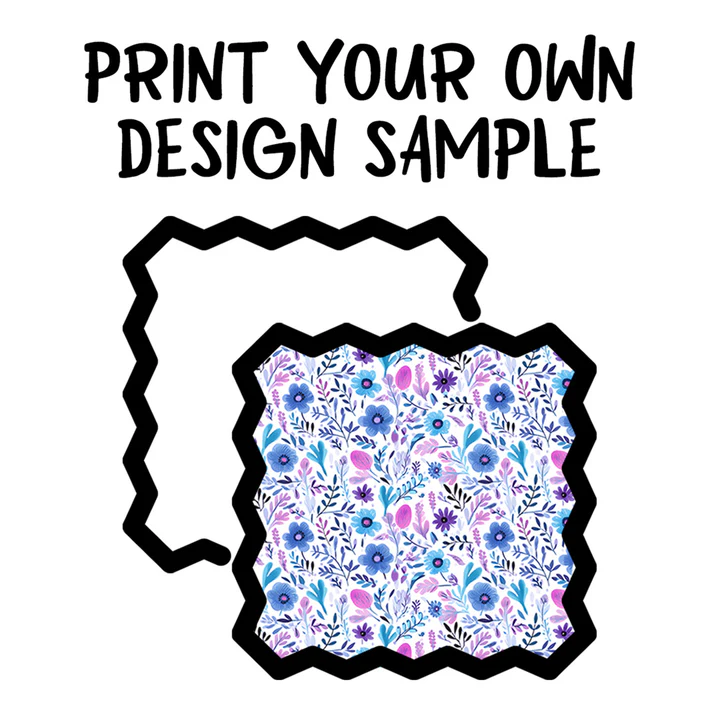


Fabrics with floral prints are a timeless option for shirts, dresses, and other garments. It might be challenging to select the ideal flowery design, though, given the enormous variety that is offered. We'll provide you some helpful advice in this blog article to choose the ideal flower print fabric for your upcoming sewing project. These suggestions can help you discover a fabric that suits your idea, whether you're a designer, distributor, or home sewer. You'll consider a few factors to buy floral print fabric, such as selecting the ideal flower design, color scheme, and fabric type.
1. Choose the Right Floral Style
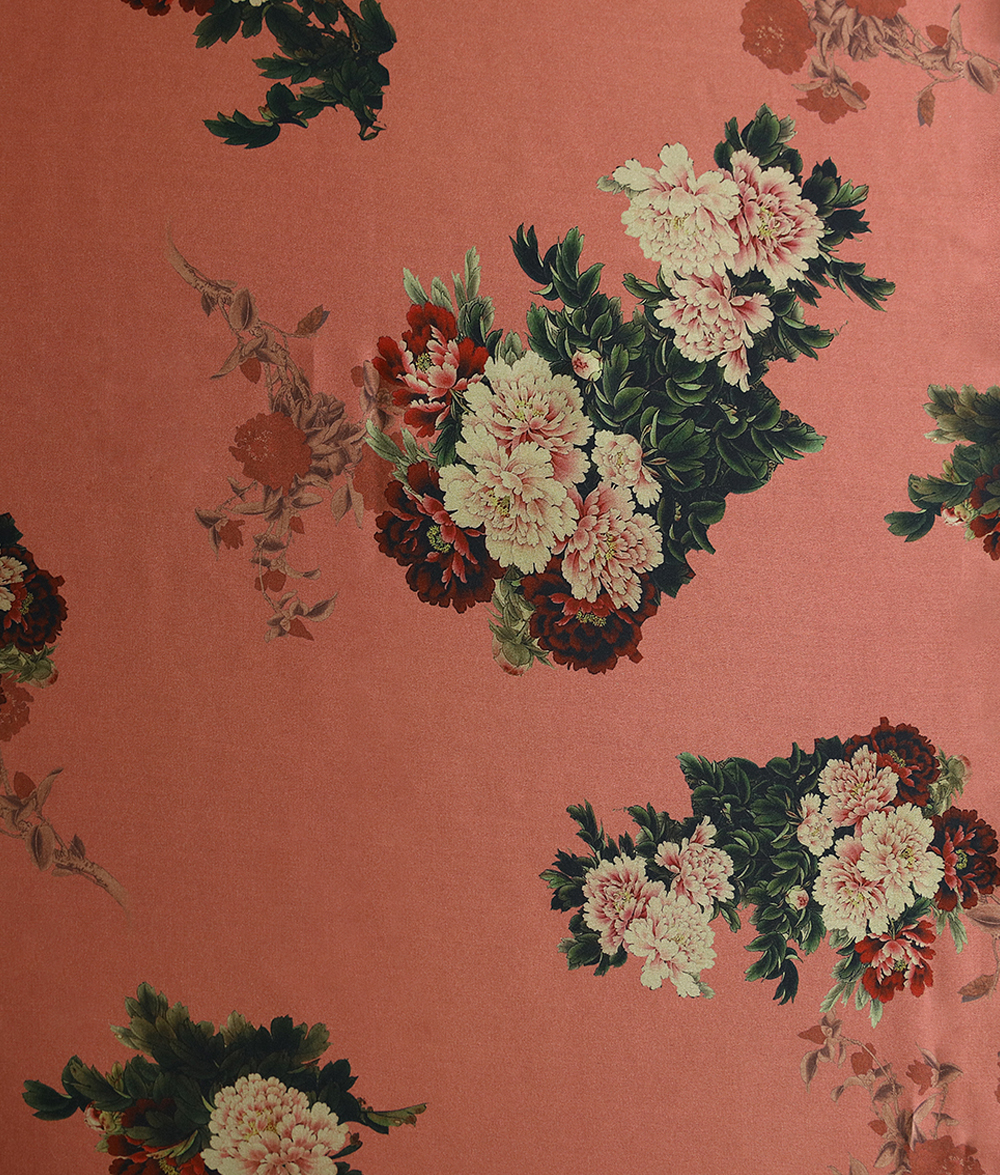
The style of floral print you choose is an important consideration as it will impact the overall look and feel of your design. There are several common floral print styles to choose from. Bouquet prints feature large, clustered flowers grouped closely together. This style works well for dresses, skirts and loose fitting tops where large blooms can be accentuated. The bold flowers make a statement. Scattered floral prints, on the other hand, have smaller, spaced out individual blooms dotted across the fabric. This more subtle floral aesthetic is well-suited for blouses, pants and children's clothes where you want the print to be understated. It creates a soft floral feel without being overpowering.
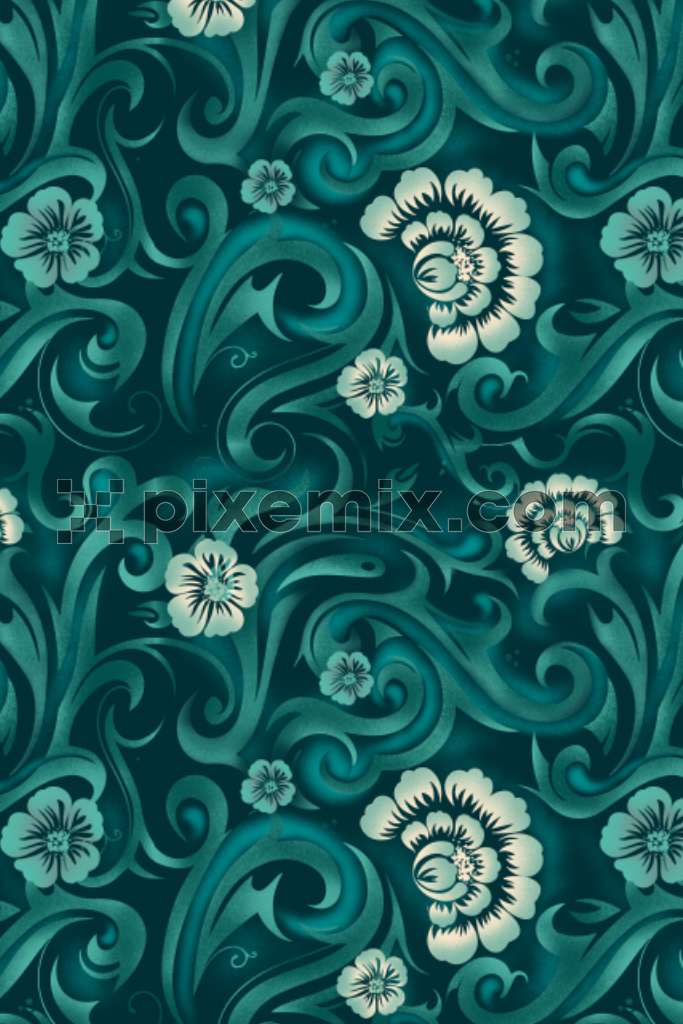
All-over floral prints differ in that flowers completely cover the entire surface of the fabric. While eye-catching, this style tends to overwhelm smaller garments. It's best applied to maxi dresses, and skirts items where larger uninterrupted floral coverage can shine. Geometric floral prints arrange blooms in precise repeating patterns. This structured approach lends a modern sensibility suitable for contemporary men's and women's fashion. The symmetry provides visual interest while maintaining a tailored appearance.
2. Choose Complementary Colors
Choosing the right color palette for a floral print fabric is important. The colors of the flowers as well as the background fabric should complement each other. This helps create an aesthetically pleasing overall look. It is best to limit the color combination to 2-3 hues so it does not appear chaotic or too busy. Sticking to variations of a single color creates a cohesive monochrome effect. Some popular choices are shades of navy, blush or olive.
Pairing colors opposite each other on the color wheel, known as complementary colors, also works very well. The colors enhance each other when combined. For example, combining orange and blue prints produces a vibrant yet balanced look. Earth tones like burgundy, forest green and mustard are versatile options that complement many skin tones. They provide a neutral backdrop for the floral elements. Pastel hues like light pink, mint and lilac give fabrics a soft, feminine appeal suitable for women's fashion. On the other hand, bright jewel tones like fuchsia, cobalt and emerald make a bold statement.
3. Consider the Fabric Composition
The composition of a floral print fabric refers to what materials it is made from. This has an impact on several important factors for sewers and designers. Properties like drape, shine, care requirements and more will vary depending on the fabric composition.
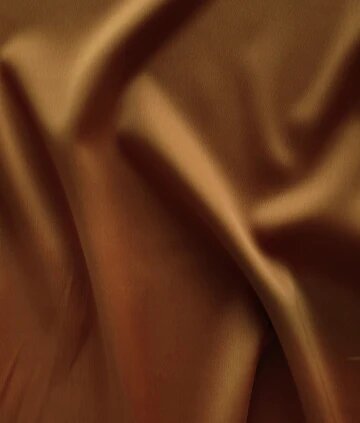
Some common composition options used for floral prints include various polyester fabrics. Polyester satin has a smooth, lustrous finish but is prone to creasing. However, it is very durable and maintains its color and shape well after laundering. Polyester has an airy, flowing drape that is ideal for dresses and skirts seeking an elegant, lightweight look. It is resistant to creasing. Polyester georgette has a soft, matte texture and drapes nicely while offering many print pattern options.
Another option is polyester net, which is very lightweight and see-through. It is often used as an overlay or lining where its breathable quality is beneficial. Rayon is a semi-synthetic fiber that feels silky to the touch. It comes in satin or matte finishes but generally requires dry cleaning instead of washing.
4. Inspect Print Quality and Scale
It is important to carefully examine the printed floral design on a fabric before making a purchase. A high-quality print will have clear and well-defined blooms, stems, and other intricacies without any blurriness or loss of detail. The ink or dye used should be evenly saturated to ensure consistent coverage across the entire surface of the fabric. There should be no faint or missing areas of the design.
The print should also be crisp and well-aligned without appearing warped or off-kilter in any way. A quality print will be straight and true without any distortion of the design elements. In addition to quality, the scale of the printed flowers needs to be considered. Smaller blooms may be more suitable for tops and children's clothing as they will not overwhelm the garment. Larger floral designs are often better for dresses where they can be prominently featured.
5. Inspect Fabric Integrity
Before making the purchase, the cloth must be properly inspected. This will guarantee that the material you receive is of excellent quality and appropriate for your planned design. Start by checking that the fabric weight and thickness is consistent throughout without any thin, sheer or thick spots. Uneven areas could cause puckering or bulging when sewn. Next, examine the fabric edges. Quality fabric should have smooth, even edges that aren't frayed or coming apart at the seams. Pulls, snags or holes in the weave are signs of inferior quality and could tear with regular use.
You also want to confirm the grainlines run straight and true without any bias. Fabric that is off-grain may not lay flat or could stretch and distort the garment design. Closely check that the color is consistent without any fading or patchy areas between dye lots. Fabric dyed unevenly will not create a cohesive look. Finally, test the wrinkle resistance by folding or crumpling sections of the material. High quality fabric should spring back smoothly without deep creases that are difficult to remove. Any fabric that does not pass all these quality tests should be avoided for your project.
Conclusion
Following these tips provide helpful guidance in your search for the perfect designer fabric prints. Take time to consider factors like print style, color palette, composition, scale and quality. Test multiple options to find the right match for your vision. With the right floral print, your garments are sure to stand out beautifully. Always inspect fabric integrity closely before making your purchase from a trusted supplier. Let floral prints infuse your designs with charm and vibrancy.