

The Functionality and Importance of Sewage Ejector Pumps
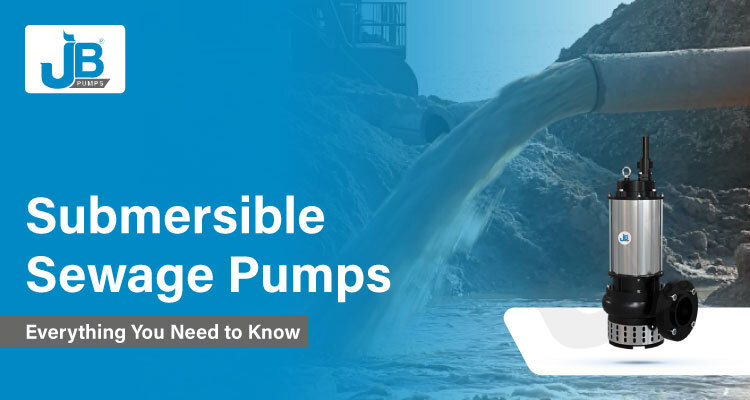
When it comes to managing wastewater, sewage ejector pumps play a crucial role in ensuring efficient and smooth operation. These pumps are specifically designed to handle sewage and wastewater in residential, commercial, and industrial settings. In this article, we will explore the functionality and importance of sewage ejector pumps, highlighting their key features and benefits.
Understanding Sewage Ejector Pumps
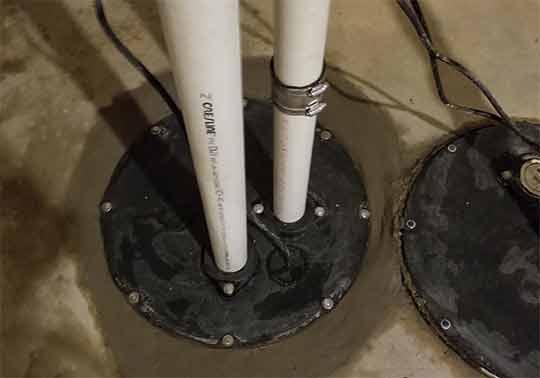
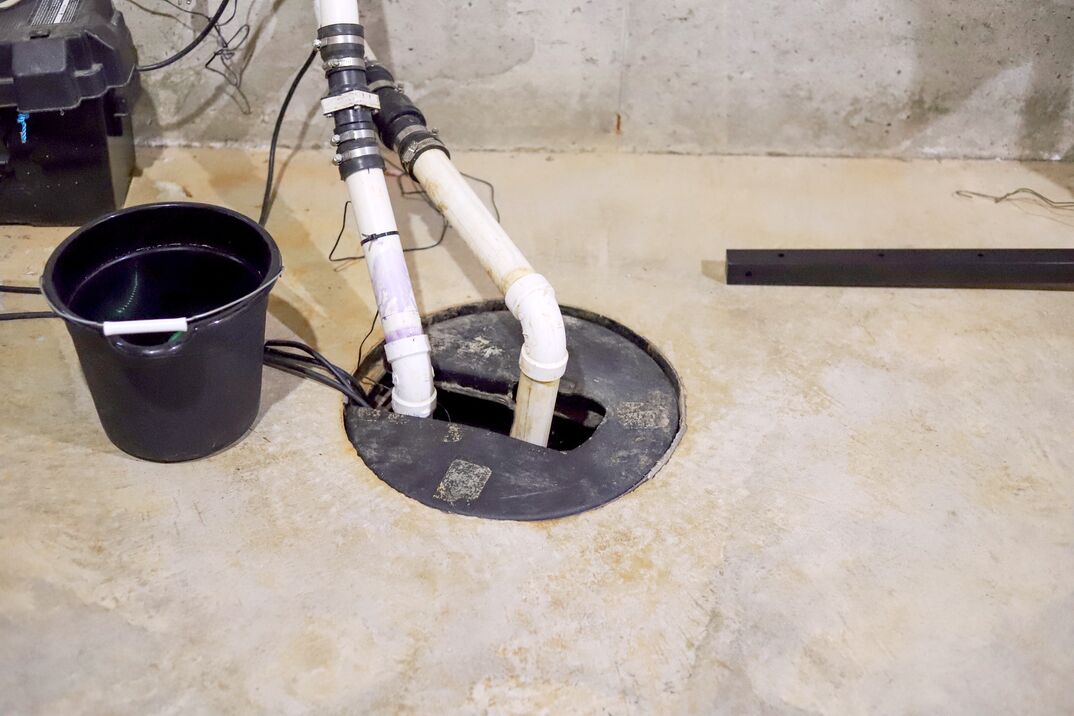
Sewage ejector pumps, also known as sewage pumps or wastewater pumps, are used to transport solid and liquid waste from lower levels to higher levels in a plumbing system. They are typically installed in basements, crawl spaces, or other low-lying areas where gravity flow alone cannot handle the job. These pumps are capable of moving waste against gravity, ensuring the proper disposal of sewage.
Unlike regular sump pumps, which are designed to handle clean water, sewage ejector pumps are designed to handle solid waste and other debris commonly found in sewage systems. They have a more robust construction and can pass solids of varying sizes without clogging or getting damaged.
Key Components and Functions
Sewage ejector pumps consist of several key components that work together to ensure their smooth operation:
- Pump Body: The main body of the pump houses the motor, impeller, and other internal components.
- Motor: The motor provides the power needed to drive the impeller and pump the sewage.
- Impeller: The impeller is responsible for drawing in the sewage and pushing it through the pump.
- Float Switch: The float switch is used to automatically activate and deactivate the pump based on the water level. It ensures that the pump only operates when there is a sufficient amount of sewage to be pumped.
- Check Valve: The check valve prevents the backflow of sewage into the pump and the surrounding area, reducing the risk of contamination.
When wastewater enters the pump via the inlet pipe, the impeller spins rapidly, creating a high-pressure zone that forces the sewage through the discharge pipe and out of the system. The float switch monitors the water level and activates the pump when it reaches a certain height. Once the sewage has been pumped out, the float switch deactivates the pump until the water level rises again.
The Importance of Sewage Ejector Pumps
Now that we have a better understanding of how sewage ejector pumps work, let's explore their importance in various applications:
1. Residential Use
In residential settings, sewage ejector pumps are often installed in basements or below-grade bathrooms where the natural gravity flow is insufficient. They play a vital role in safely and efficiently transporting sewage from lower levels to the main sewer line or septic tank. This ensures proper sanitation and prevents the risk of sewage backups and flooding.
2. Commercial and Industrial Use
In commercial and industrial buildings such as hotels, restaurants, office complexes, and manufacturing facilities, sewage ejector pumps are indispensable for managing large volumes of wastewater. These pumps can handle the high demands of commercial and industrial use, ensuring a continuous and reliable disposal of sewage.
3. Preventing Health Hazards
Proper sewage disposal is crucial for safeguarding public health and preventing the spread of diseases. Sewage ejector pumps ensure that sewage and wastewater are promptly and efficiently transported away from living and working spaces. By preventing sewage backups and wastewater overflow, these pumps minimize the risk of contamination and potential health hazards.
4. Protecting Property
Without sewage ejector pumps, properties located in low-lying areas or below the sewage mainline level would be prone to flooding and water damage. These pumps help prevent property damage by effectively removing sewage and wastewater, even from the lowest parts of a building.
5. Cost-Effective Solution
Investing in a sewage ejector pump system is a cost-effective solution for handling sewage and wastewater in areas where gravity flow is not feasible. By eliminating the need for extensive excavation and complex plumbing modifications, these pumps offer an efficient and affordable alternative.
Choosing the Right Sewage Ejector Pump
When selecting a sewage ejector pump, there are several factors to consider:
1. Pump Capacity:
The pump should have sufficient capacity to handle the expected wastewater flow. It is important to calculate the pump's maximum flow rate and ensure it matches the specific requirements of the application.
2. Pump Power:
The motor power of the sewage ejector pump should be adequate to handle the anticipated workload. Insufficient power can lead to pump failure and increased maintenance costs.
3. Solids Handling:
Consider the size of solid waste in the sewage system and choose a pump that can handle the expected solids without clogging. Pumps with macerator or grinder systems can effectively break down larger debris, reducing the risk of clogs.
4. Durability and Reliability:
Ensure the pump is made of high-quality materials that can withstand the harsh conditions often found in sewage systems. Look for pumps from reputable manufacturers known for their durability and reliability.
Maintenance and Troubleshooting
Proper maintenance is essential for ensuring the longevity and efficient operation of sewage ejector pumps. Regular maintenance tasks include:
- Cleaning or replacing the impeller
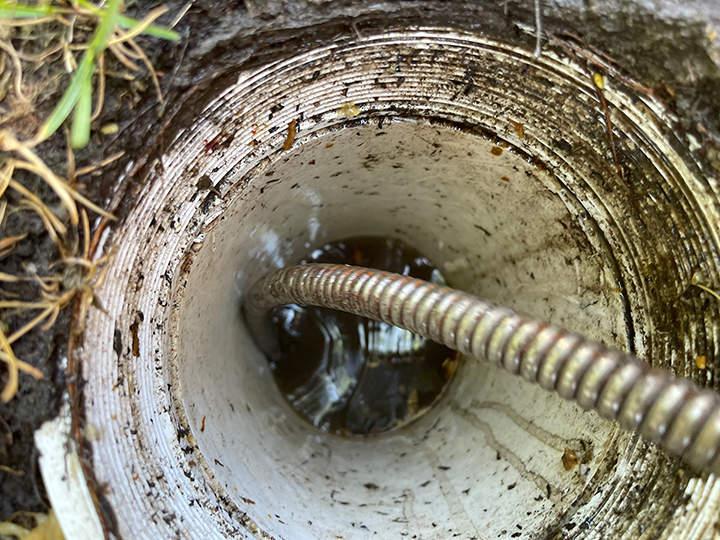
- Inspecting and cleaning the discharge pipe
- Checking the float switch for proper operation
- Testing the pump's performance
- Examining the check valve for any blockages or damage
If you encounter any issues with your sewage ejector pump, it is recommended to consult a professional plumber or pump technician. They have the expertise to troubleshoot and repair ejector pump malfunctions, ensuring the system operates smoothly.
In Conclusion
Sewage ejector pumps are an integral part of any plumbing system that deals with wastewater and sewage. Their functionality and importance cannot be understated, as they ensure the proper disposal of sewage, prevent health hazards, and protect properties from water damage.
Whether in residential, commercial, or industrial settings, sewage ejector pumps offer an efficient and cost-effective solution to handle sewage in areas where gravity flow is insufficient. By understanding their key components, benefits, and maintenance requirements, you can make informed decisions when selecting and maintaining sewage ejector pumps.
Remember, proper maintenance and regular inspections are essential for the optimal performance and longevity of your sewage ejector pump system. If you have any concerns or encounter any issues, it is always best to seek professional assistance to ensure that your system operates efficiently and effectively.

Looking for sump and sewage ejector pumps for sale in NYC?
Callaghan Pump offers Gorman-Rupp sewage pumps and replacement services.