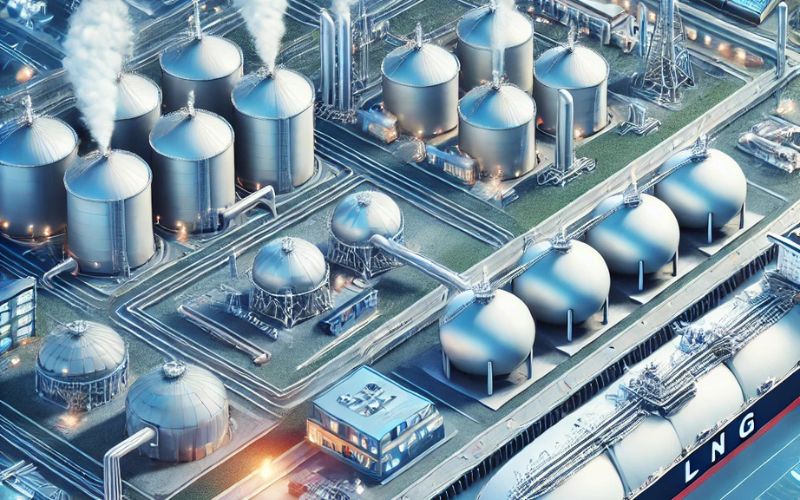


The United States LNG market is projected to witness a CAGR of 5.70% during the forecast period 2024-2031, growing from USD 2.91 billion in 2023 to USD 4.54 billion in 2031. As one of the world’s largest natural gas producers, the United States relies on liquefied natural gas (LNG) to enhance its energy infrastructure. LNG facilitates the transportation of natural gas over long distances, offering a crucial solution in cases where pipelines are not cost-effective. The U.S. LNG export capability enables access to overseas markets that pipelines cannot reach, reinforcing its role as a key global energy player. According to the U.S. Energy Information Administration, LNG exports from the United States in June 2024 reached 356,423 million cubic feet and are expected to grow significantly.
Click – https://www.marketsandata.com/industry-reports/united-states-lng-market
Key Market Drivers
Execution of New LNG Projects Boosting Market Growth
The rising demand for cleaner energy sources is driving the expansion of LNG projects in the United States. These projects are crucial for increasing production capacity, projected to surge by 2028, ensuring the country’s competitive edge in the global energy market.
For instance, in December 2023, the U.S. government announced the expansion of LNG production with three new projects nearing completion. The Plaquemines LNG project is set to begin operations in mid-2024, with a gradual ramp-up until 2025. Other projects, such as the Corpus Christi LNG Stage 3 extension and Golden Pass LNG, are expected to commence supplies in mid-2025. These projects will significantly increase U.S. LNG export capacity by 2027, driven by rising global demand and the need to address energy shortages, particularly in Europe.
Expansion of LNG Regasification Facilities
To meet the growing demand for natural gas, the United States is increasing its LNG regasification capacity. LNG is a preferred energy source due to its cleaner emissions—40% lower carbon dioxide emissions than coal.
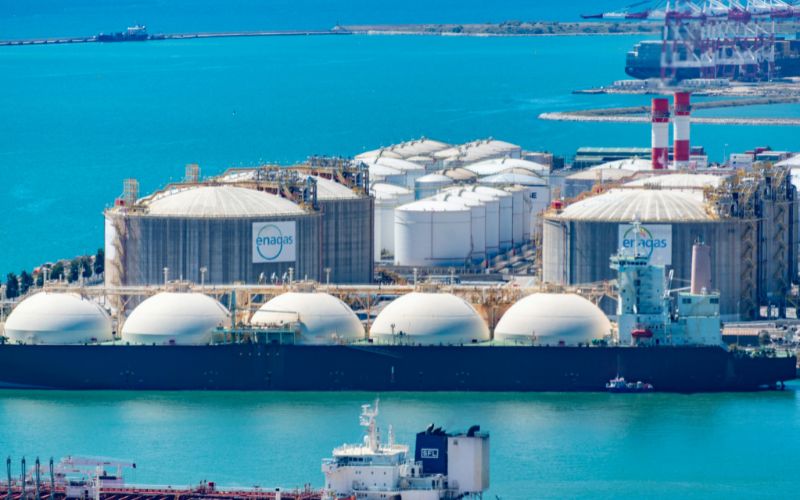
For example, in April 2024, Venture Global LNG announced the construction of a regasification plant in Louisiana, expected to commence production by mid-2024. With a capacity of 20 million tons per annum, this facility will become the United States’ eighth LNG export terminal, further enhancing the country’s export capacity to meet international demand, particularly from Asia-Pacific and Europe.
Rising Demand for LNG Bunker Fuel
The increasing adoption of LNG as a bunker fuel is propelling market growth. The International Maritime Organization (IMO) has imposed stringent environmental regulations to reduce sulfur emissions, prompting shipping companies to transition to LNG due to its minimal sulfur oxides and particulate matter emissions.
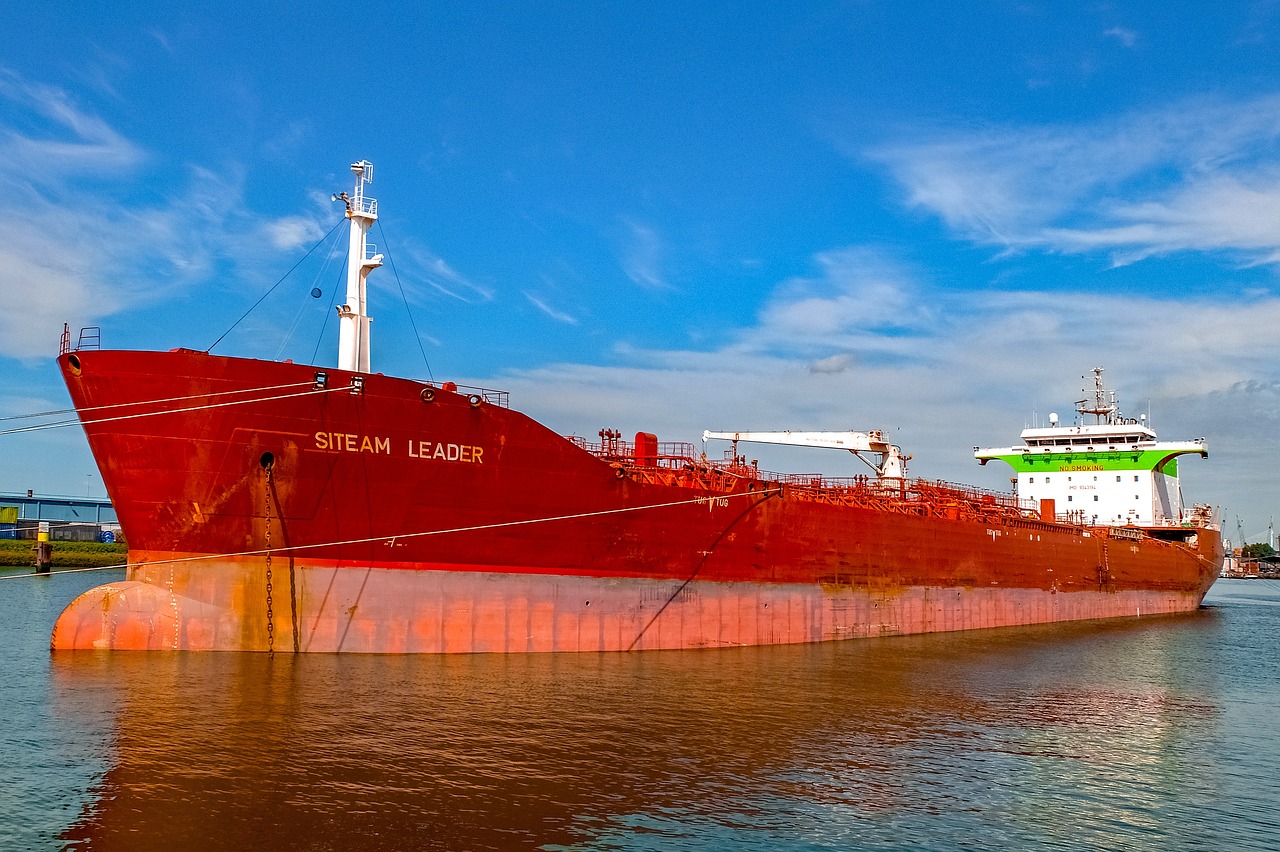
In January 2024, the U.S. government signed three new contracts for more efficient LNG tankers, each with a capacity of 174,000 cubic meters. These new vessels incorporate advanced engine technologies and improved LNG handling, reducing overall carbon emissions and aligning with global sustainability initiatives.
Government Initiatives Fueling Market Growth
Regulatory frameworks and government policies play a critical role in expanding the U.S. LNG market. Rising natural gas demand and supply constraints necessitate robust infrastructure investments. Regulatory support encourages private investments in LNG facilities while ensuring compliance with safety, environmental, and community standards. These efforts help bridge the gap between domestic production and global demand, fostering a stable and efficient LNG market.
Regional Market Insights
Southwest Region Dominates Market Share
The Southwest region, particularly Texas, is expected to lead the U.S. LNG market due to its abundant natural gas resources, advanced infrastructure, and strategic coastal location. Texas hosts several major LNG export terminals, significantly contributing to the country’s position as the world’s largest LNG exporter.
As Texas transitions into a major LNG export hub, its role in global energy markets becomes increasingly crucial. The state’s well-established energy ecosystem, including pipelines and processing plants, supports efficient LNG production and distribution. Continuous investments in new projects and infrastructure improvements further strengthen the U.S. LNG market.
Future Market Outlook (2024-2031)
- Government Policy and Infrastructure Development: The U.S. government is expected to continue investing in LNG infrastructure, ensuring long-term market stability and growth.
- Increasing Global Demand: Emerging Asian economies are projected to drive LNG demand, leading to increased U.S. exports to the Asia-Pacific region.
- LNG Trading and Hedging: Expanding LNG trading and financial instruments indicate deeper market integration, fostering opportunities for industry growth.
Report Scope
“United States LNG Market Assessment, Opportunities, and Forecast, 2017-2031F” is a comprehensive report by Markets and Data, offering in-depth analysis, qualitative and quantitative assessments, and insights into the U.S. LNG market dynamics. The report covers market size, segmental shares, growth trends, opportunities, and forecasts between 2024 and 2031. Additionally, it profiles key industry players, detailing their market share, business strategies, and competitive landscape.
Contact
Mr. Vivek Gupta5741 Cleveland street,Suite 120, VA beach, VA, USA 23462Tel: +1 (757) 343–3258Email: info@marketsandata.comWebsite: https://www.marketsandata.com