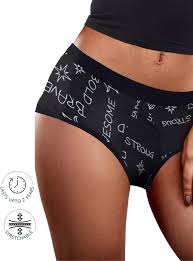
Picture a shift in how teens approach one of life's inevitable rhythms: menstruation. No longer just about convenience, it's evolving into a conscious choice that balances personal well-being with planetary health. Young people are at the forefront, questioning old habits and embracing innovations that promise less waste and more empowerment. Amid this change, the period panties market, focused on specialized underwear for menstrual care using absorbent fabrics like cotton and synthetics, was worth USD 133.8 million in 2023. Projections show it expanding to USD 357.7 million by 2030 at a 15.1% CAGR, as more consumers opt for these sustainable, budget-friendly alternatives to pads and tampons, available in multiple styles to support ease and vitality during periods, fueled by worldwide emphasis on cleanliness and eco-responsibility.
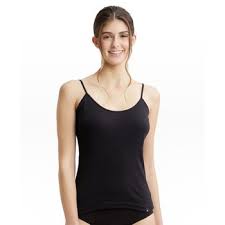
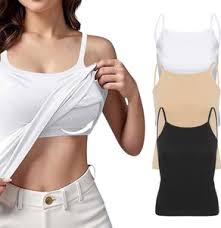
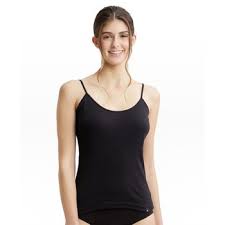
Finding the right intimate wear can be tough, especially when bras pinch, slip, or don't provide enough support during school or play. Whether you're a teen girl or a young woman, we understand the frustration. That's why DChica created India's first teen-focused innerwear collection breathable cotton designs with adjustable straps, high coverage, and leakproof period panties. Our bras, camisoles, period panties, and shapewear offer the perfect balance of comfort and support. Celebrate your growth and confidence every day at DChica. Shop now!
Top 5 Reusable Period Products Every Teen Needs to Know About: Eco-Friendly, Comfortable, and Cost-Effective Solutions
Reusable period products represent more than a passing fad they're a practical evolution for teens facing the complexities of growing up. Across India, the UK, and the USA, understanding of disposable item's downsides is deepening, from ecological strain to potential health implications. Today's youth are spearheading demand for alignments with their ethics. Here's an exploration of why these alternatives deserve attention, followed by five standout options for consideration.
The Benefits of Reusable Period Products
The environmental toll of disposables is immense. In India, an estimated 12.3 billion disposable pads generate 113,000 tonnes of waste yearly. The UK sees around 200,000 tonnes of menstrual waste in landfills annually. In the USA, over 12 billion pads and 7 billion tampons are discarded each year, much ending up in landfills.
A full transition to reusables in the UK could cut waste by 22,907 tonnes annually and reduce greenhouse gases by 7,900 tonnes of CO2 equivalent.
Health advantages stem from avoiding chemicals in disposables, such as phthalates, phenols, and parabens, which may disrupt hormones or pose other risks.
Over a lifetime, one might use around 11,000 disposable products, but reusables endure for years. In lower- and middle-income countries, 4 to 25 reusable pads over five years cost USD 170 to 417, versus more for disposables, while averting 600 to 1,600 single-use pads from waste.
Top 5 Reusable Period Products for Teens
Menstrual cups, made of flexible silicone, collect rather than absorb flow, holding more for up to 12 hours ideal for active days. Teens value the discretion and mobility. Research indicates 73% of users continue after trials in various settings.
Cloth pads, with soft, breathable layers securing to underwear, offer gentleness and longevity. In India, they're gaining traction through sustainable initiatives, minimizing irritation from synthetics.
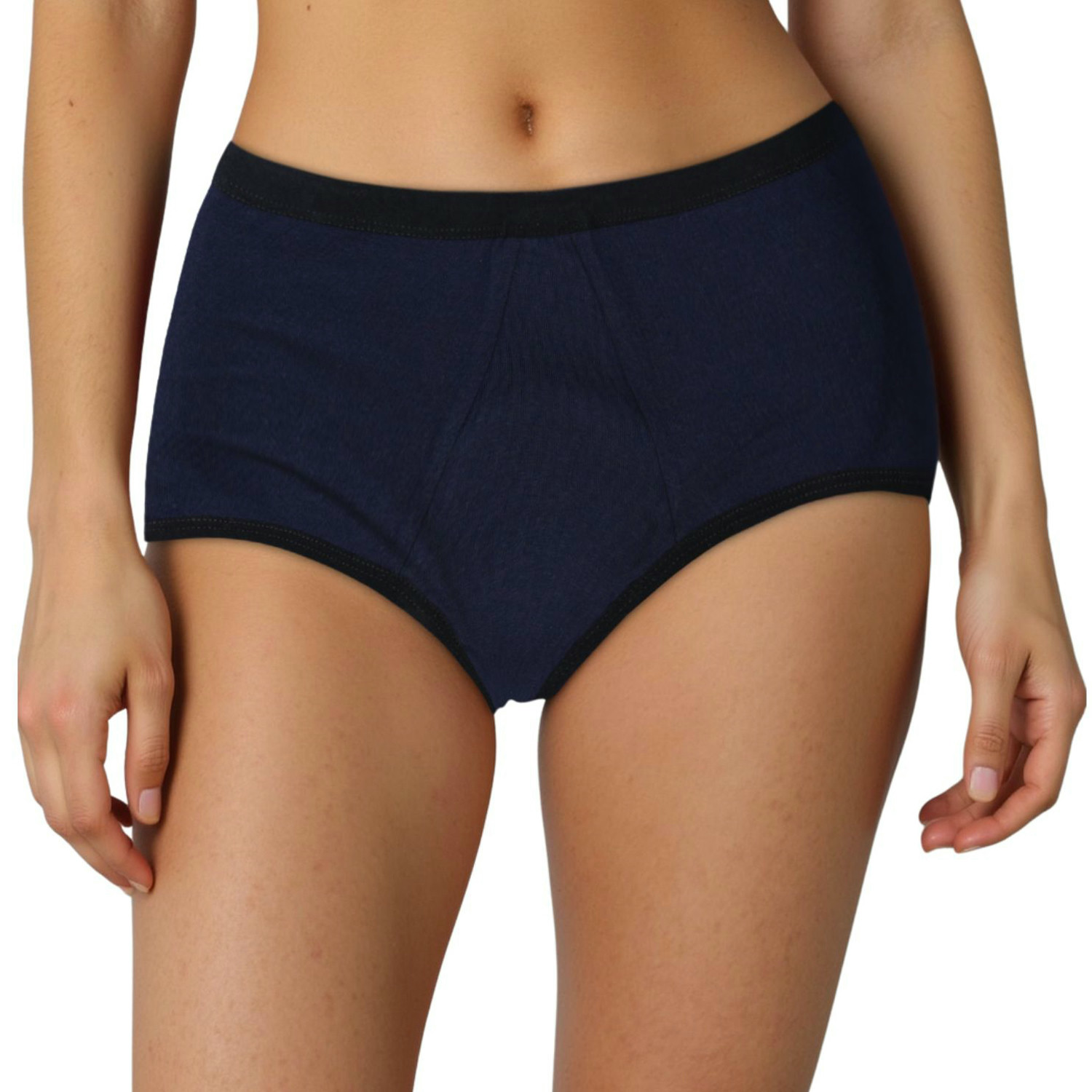
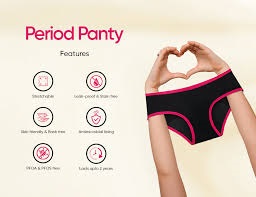
Period underwear integrates absorption into everyday styles for seamless protection on lighter flows. The USA and UK markets show robust expansion, with the US segment projected to reach USD 97.83 million by 2032, reflecting teen preference for unobtrusive, washable solutions.
Reusable tampon applicators, often eco-material based, pair with organic tampons to lessen plastic use. Brands like DAME in the UK highlight this hybrid approach, appealing to those easing into reusables.
Menstrual discs, positioned higher for extended wear and activity compatibility, are surging in the USA, offering comfort for heavier days without traditional cup feel.
Emerging Trends in Reusable Period Products
Gen Z's push for sustainability is reshaping demand, with environmental activism spotlighting eco-alternatives. Surveys reveal strong youth interest in reducing waste through reusables.
Brands innovate with accessible designs: EcoFemme in India crafts community-focused cloth pads, Mooncup in the UK pioneers cups, and Saalt in the USA emphasizes inclusive sizing.
Real-World Examples and Applications
In India, Pinkishe distributes reusables, enabling school continuity amid leaks or stigma. US efforts via The Pad Project equip schools, fostering confidence. UK programs integrate reusables into education, enhancing attendance.
Challenges and Limitations
Stigma endures, with surveys across India, UK, USA revealing taboos impeding uptake. Rural India faces access hurdles, though organizations like Goonj provide affordable options.
Opportunities and Business Impact
Markets expand rapidly; reusable panties globally hit USD 96.34 million in 2022, with 17.7% CAGR. Youth-focused brands capitalize on Gen Z values for growth.
A Memorable Conclusion
Reusable period care heralds a healthier, greener era. As teens drive adoption, global menstrual equity advances. Begin with one switch, amplify experiences, and fuel a taboo-free, eco-sustainable future.
Frequently Asked Questions
What are the best reusable period products for teenagers?
The top 5 reusable period products for teens include menstrual cups (which can be worn for up to 12 hours), cloth pads (soft and breathable alternatives), period underwear (seamless protection for lighter flows), reusable tampon applicators (eco-friendly hybrid options), and menstrual discs (positioned higher for extended wear during activities). Research shows that 73% of menstrual cup users continue using them after initial trials, demonstrating high satisfaction rates among young people.
How much money can teens save by switching to reusable period products?
Teens can save significantly over their lifetime by using reusable products instead of disposables. While a person might use around 11,000 disposable pads or tampons in a lifetime, reusable options like menstrual cups and cloth pads can last for years. In lower- and middle-income countries, 4 to 25 reusable pads used over five years cost USD 170 to 417, compared to higher costs for disposables, while also preventing 600 to 1,600 single-use pads from entering landfills.
Are reusable period products better for the environment than disposable pads and tampons?
Yes, reusable period products dramatically reduce environmental waste compared to disposables. In the USA alone, over 12 billion pads and 7 billion tampons are discarded annually, while India generates 113,000 tonnes of menstrual waste per year. A complete transition to reusable products in the UK could cut waste by 22,907 tonnes annually and reduce greenhouse gas emissions by 7,900 tonnes of CO2 equivalent, making them a powerful choice for environmentally conscious teens.
Disclaimer: The above helpful resources content contains personal opinions and experiences. The information provided is for general knowledge and does not constitute professional advice.
You may also be interested in: Top 10 Breathable Period Panty for Hot Indian Climates in 2026: Ranked for Daily Comfort
Finding the right intimate wear can be tough, especially when bras pinch, slip, or don't provide enough support during school or play. Whether you're a teen girl or a young woman, we understand the frustration. That's why DChica created India's first teen-focused innerwear collection breathable cotton designs with adjustable straps, high coverage, and leakproof period panties. Our bras, camisoles, period panties, and shapewear offer the perfect balance of comfort and support. Celebrate your growth and confidence every day at DChica. Shop now!