


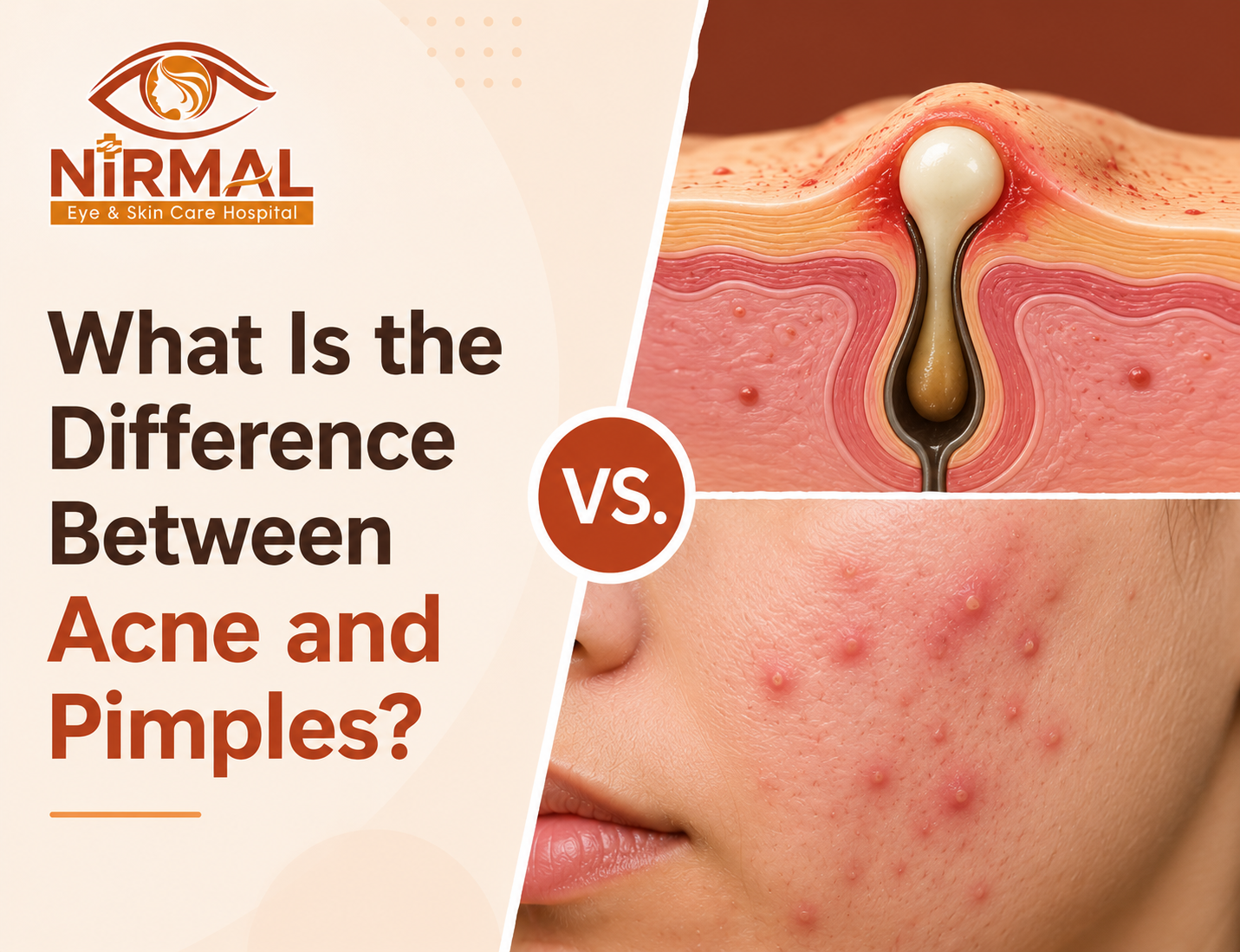
Most people ask: what is the difference between acne and pimples? The short answer is that acne is a medical skin condition, while a pimple is just one type of lesion that acne can produce. Getting that distinction right changes everything about how you treat your skin.
If you have ever stood in front of a pharmacy shelf wondering which product to buy for your breakouts, you are not alone. The confusion between acne and pimples is one of the most common questions dermatologists hear every day. Using the wrong product for the wrong type of lesion is not just ineffective, it can actively make your skin worse.
This guide will walk you through what each condition actually is, how they differ, what causes them, and most importantly, how to treat them correctly based on what your skin is actually dealing with.
What Is Acne? The Full Picture
Acne vulgaris is a chronic inflammatory skin condition that affects the pilosebaceous unit, which is the combination of the hair follicle and the sebaceous (oil) gland attached to it. When the flow of sebum through the follicle becomes disrupted, it leads to a cascade of events: clogging, bacterial growth, inflammation, and ultimately the appearance of various types of skin lesions.
Here is the key point that most people miss: acne is not one thing. It is a condition that produces a wide range of different lesion types. This is why two people can both say "I have acne" and have skin that looks completely different from each other.
The Six Types of Acne Lesions
● Blackheads (open comedones)
A clogged pore that remains open; the top oxidises and turns dark. Not caused by dirt.
● Whiteheads (closed comedones)
A clogged pore that stays closed under the skin surface. Appears as a small flesh-coloured bump.
● Papules
Small, solid, raised red bumps with no visible pus. Tender to touch; the start of inflammatory acne.
● Pustules (pimples)
The classic pimple: a red base topped with a visible white or yellow pus-filled tip.
● Nodules
Large, hard, deeply embedded lumps. Painful, no visible pus, high risk of permanent scarring.
● Cysts
The most severe form: large, pus-filled, deep lesions. Always require professional treatment.
Acne severity is classified from Grade I (mild comedonal acne) to Grade IV (severe nodulocystic acne). This grading directly determines the type of treatment a dermatologist will recommend. Self-diagnosing and self-treating without knowing your grade is one of the most common reasons people fail to clear their skin.
What Is a Pimple? Defining the Specific Lesion
A pimple is a pustule, which is one specific type of acne lesion. It forms when a blocked follicle becomes infected with Cutibacterium acnes bacteria, triggering an immune response that floods the area with white blood cells. The resulting mix of dead cells, bacteria, and immune byproducts is what we see as pus, which creates the characteristic white or yellow tip.
So the relationship is straightforward: every pimple is a form of acne, but not every acne lesion is a pimple. A person with only blackheads has acne, but they do not have pimples. A person with a single pustule has a pimple, but they may or may not be diagnosed with acne as a condition.
How a Pimple Develops: The Four Stages
Stage 1 - Microcomedone: Excess sebum and dead skin cells begin collecting inside a follicle. Invisible to the naked eye; happens weeks before a pimple surfaces.
Stage 2 - Comedone: The blockage grows. If the pore stays open, it becomes a blackhead. If it closes, it becomes a whitehead.
Stage 3 - Inflammation: C. acnes bacteria multiply inside the blocked follicle. The immune system responds, causing the visible redness and swelling of a papule.
Stage 4 - Pustule: White blood cells arrive in force, producing pus. The pimple is now fully formed with its white or yellow tip visible on the surface.
Common Causes of Acne and Pimples
Since pimples are a subset of acne, their root causes overlap significantly. However, certain triggers are more likely to produce specific lesion types.
Hormonal Fluctuations
Androgens, which are male hormones present in both males and females, stimulate the sebaceous glands to produce more oil. This is the primary reason acne is so common during puberty, and why many women experience cyclical breakouts around their menstrual period, during pregnancy, or with conditions like PCOS. Hormonal acne typically clusters along the jawline and chin.
Diet and Blood Sugar
High-glycaemic foods such as white bread, sugary drinks, and ultra-processed snacks spike insulin levels, which in turn boosts androgen activity and sebum production
Dairy, particularly skim milk, has been linked to worsened acne severity in multiple peer-reviewed studies, possibly due to its effect on IGF-1 (insulin-like growth factor)
Whey protein supplements are a common but overlooked trigger for sudden adult acne in gym-goers
Diets rich in omega-3 fatty acids (fatty fish, walnuts, flaxseed) are associated with reduced inflammation and less severe acne
Stress and Sleep
Chronic stress elevates cortisol, which stimulates sebaceous gland activity. Poor sleep compounds this by disrupting the hormonal signals that regulate skin cell turnover. Research published in the National Library of Medicine confirms a direct relationship between psychological stress and acne severity.
Skincare Product Mistakes
Using comedogenic (pore-clogging) moisturisers, sunscreens, or makeup
Over-washing, which strips the skin's acid mantle and triggers compensatory oil overproduction
Skipping moisturiser because skin feels oily, causing the same rebound effect
Layering multiple active ingredients (e.g. retinol plus acids plus vitamin C) without a proper routine structure
Genetics
If both your parents had acne, your risk increases significantly. Genes influence the size and reactivity of sebaceous glands, the rate of skin cell turnover, and how aggressively your immune system responds to C. acnes. This is why some people can eat fast food and sleep poorly without breaking out, while others develop cystic acne despite meticulous skincare.
The most important rule in acne treatment: match the treatment to the lesion type. Using a harsh spot treatment on a non-inflammatory blackhead will not help. Using a gentle oil cleanser alone on cystic acne will do nothing. Here is a clear breakdown.
For Blackheads and Whiteheads (Non-Inflammatory Acne)
Salicylic acid (0.5 to 2%): A beta-hydroxy acid (BHA) that dissolves the oily plugs inside pores. Use as a toner or cleanser 2 to 3 times weekly
Adapalene (0.1%): A topical retinoid that speeds up cell turnover and prevents comedone formation. Now available over the counter
Niacinamide (5 to 10%): Regulates sebum production, reduces pore appearance, and is gentle enough for daily use
Clay masks once or twice weekly: Draw out excess oil from congested pores without stripping the skin barrier
For Pimples (Inflammatory Pustules)
Benzoyl peroxide (2.5 to 5%): Kills C. acnes bacteria directly inside the follicle. Effective, but can bleach fabrics and cause dryness if overused
Sulfur-based spot treatments: Gentler than benzoyl peroxide; absorb excess oil and reduce inflammation without significant irritation
Hydrocolloid patches: Draw out pus while protecting the pimple from being picked; genuinely effective for surface pustules
Tea tree oil (5%): Mild antimicrobial with anti-inflammatory properties; effective for occasional mild pimples
For Moderate to Severe Acne (Nodules and Cysts)
Prescription topical retinoids (tretinoin 0.025 to 0.1%): stronger cell turnover agents that prevent all acne lesion types
Topical antibiotics (clindamycin, erythromycin): reduce bacterial load; always combined with benzoyl peroxide to prevent resistance
Oral antibiotics (doxycycline, minocycline): for widespread inflammatory acne; short-term courses only
Combined oral contraceptives: effective for hormonal acne in females
Isotretinoin (oral vitamin A): the gold standard for severe and treatment-resistant acne; requires physician supervision
Intralesional corticosteroid injections: reduce nodules and cysts within 24 to 48 hours
Popping or squeezing any lesion: spreads bacteria, pushes inflammation deeper, and dramatically increases scarring risk
Physical scrubs and exfoliating brushes: create micro-tears in already-inflamed skin and spread C. acnes across the face
Toothpaste, lemon juice, baking soda: unproven, harsh, and linked to chemical burns and post-inflammatory hyperpigmentation
Changing your routine every two to three weeks: you reset the clock every time you switch; give products time to work
Skipping SPF: many acne treatments increase photosensitivity; unprotected sun exposure worsens dark marks
Once a pimple resolves, it can leave behind two distinct types of marks. Post-inflammatory hyperpigmentation (PIH) is the flat dark spot that typically fades over three to six months with consistent use of niacinamide, vitamin C, or azelaic acid. True acne scars, which are physical changes in the skin texture such as ice-pick, boxcar, or rolling scars, require professional treatment. Explore our range of acne scar treatments at Nirmal Skin Care Clinic including chemical peels, microneedling, and fractional laser therapy.
When to See a Dermatologist
Many people delay professional treatment until their acne becomes severe. This is one of the most costly mistakes you can make, not financially, but in terms of the permanent scarring that accumulates during that delay. See a dermatologist if any of the following apply:
You have any nodules or cysts (deep, painful lumps under the skin)
Your acne is leaving behind dark spots, pits, or textural changes
Over-the-counter treatments have shown no meaningful improvement after three months of consistent use
Your acne appeared or significantly worsened in adulthood without a clear trigger
You suspect a hormonal cause such as PCOS, irregular periods, or sudden unexplained facial hair
Your breakouts are affecting your confidence, mood, or willingness to socialise
You have tried multiple products and your skin is now reactive, red, and sensitised
Summary: What Is the Difference Between Acne and Pimples?
Acne is a chronic medical condition that encompasses a full spectrum of skin lesions including blackheads, whiteheads, papules, pustules, nodules, and cysts. A pimple, by contrast, refers specifically to a pustule, which is one single type of lesion within that spectrum. Because every pimple is a form of acne but not every acne lesion is a pimple, the word you use directly affects the treatment you reach for.
Both share common root causes including excess sebum production, dead skin cell buildup, the C. acnes bacterium, hormonal fluctuations, and genetic predisposition. Mild cases involving occasional pimples can often be managed with well-chosen over-the-counter ingredients like salicylic acid, benzoyl peroxide, and niacinamide. However, persistent, moderate, or severe acne, especially anything involving nodules, cysts, or visible scarring, requires proper dermatological diagnosis and prescription-strength treatment to resolve safely.
The single most important step most people skip is the professional consultation. A dermatologist does not just prescribe a cream. They identify your specific acne grade, rule out underlying hormonal causes, protect your skin barrier while treating the breakouts, and prevent the permanent damage that untreated acne leaves behind. If OTC products have not delivered real results in three months of consistent use, that is your signal that it is time to see a specialist.


