


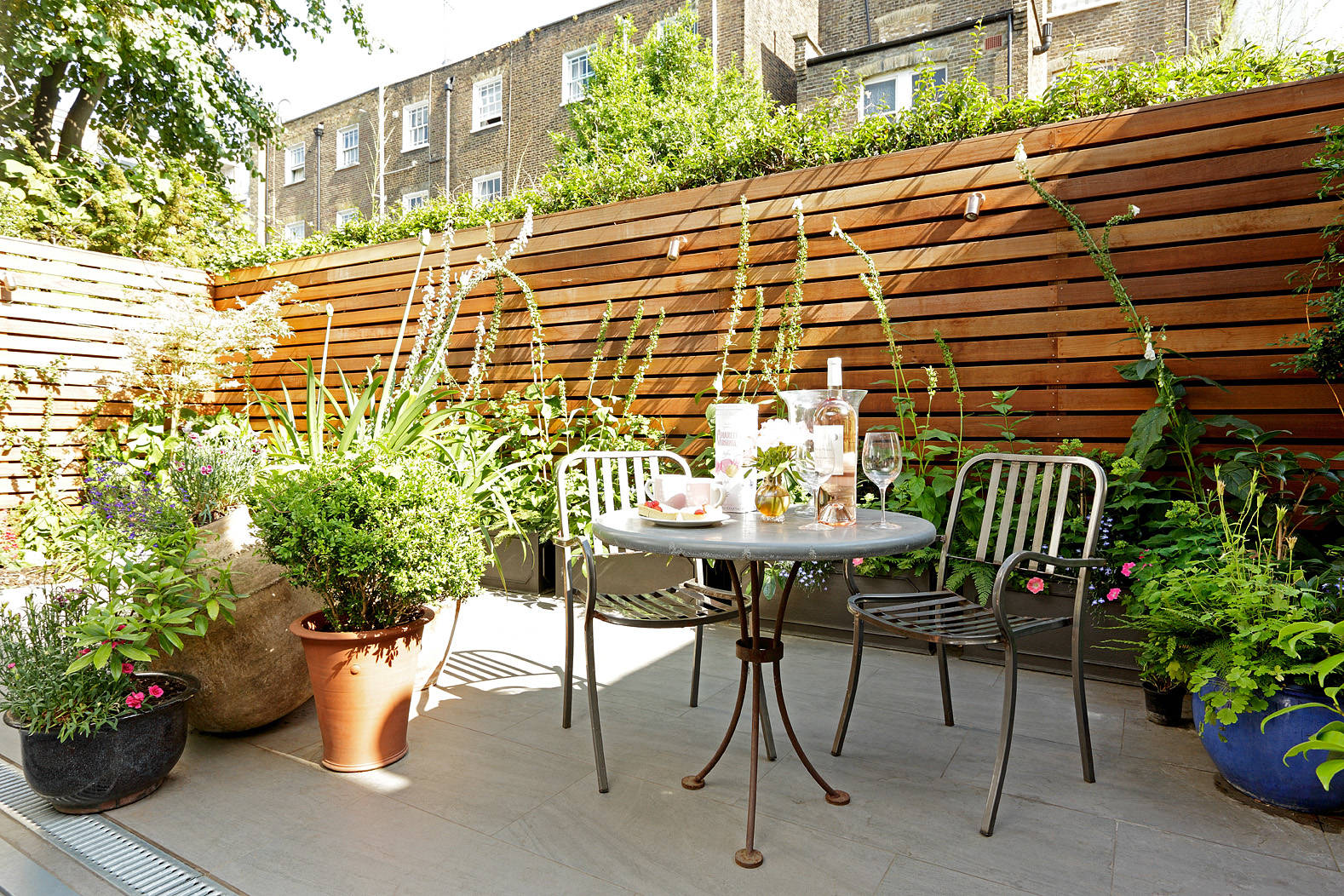
A patio should feel like an extension of the home, but nearby windows, neighboring yards, and busy streets can make an outdoor space feel exposed. Creating privacy does not necessarily mean surrounding the patio with tall walls. A combination of fencing, plants, thoughtful furniture placement, and lighting can create separation while keeping the space open.
Focus on the Views That Matter
Before adding privacy features, sit where you normally eat or relax and identify exactly where you feel exposed. You may only need to block one neighboring window or a particular view from the street.
Fencing can provide an effective solution, but it should suit the property rather than simply be as tall or solid as possible.
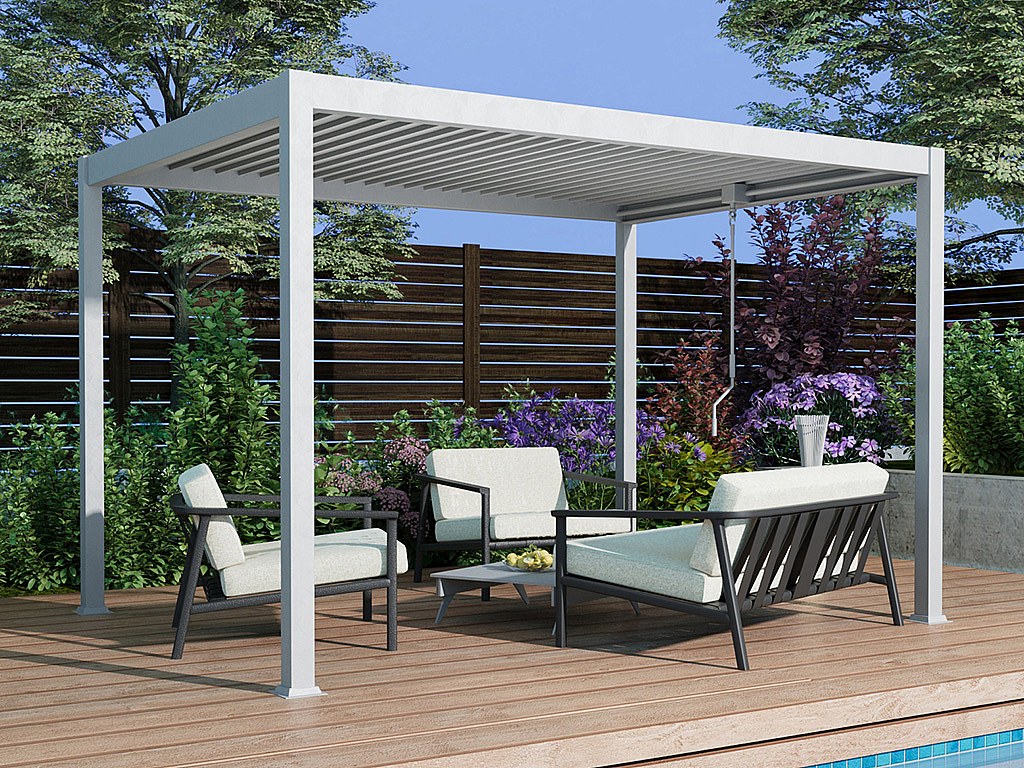
“Privacy works best when you identify where people can actually see into the space instead of automatically enclosing every side,” says Matthew Prato, President of Garon Fence. “The fence height, spacing, and material should respond to the property. Sometimes a solid section in one area and a more open design somewhere else makes more sense.”
Homeowners should also check applicable local requirements and HOA rules before installing a fence.
Let Plants Create a Softer Boundary
Plants can add privacy without making a patio feel boxed in. Tall grasses, shrubs, small trees, and climbing plants can interrupt direct views while becoming part of the landscaping.
Landscape designers recommend using different plant heights. Instead of creating a straight green wall, block the main sightline with taller plants and use shorter greenery around them. This provides screening while keeping the patio visually connected to the garden.
Container planting is particularly useful for smaller patios because plants can be moved as privacy needs change.
Add Privacy That Can Move
Not every privacy feature needs to be permanent. Freestanding outdoor screens can be useful when only one portion of a patio feels exposed.
Screens can be placed beside a dining area or seating arrangement and repositioned when the layout changes. Wood slats, lattice, decorative panels, and other outdoor-rated materials can provide different levels of screening while still allowing some light and air through.
This can be particularly practical for smaller patios or for homeowners who do not want to make a major structural change.
Use the Space You Already Have
Furniture can provide more privacy than homeowners may realize. Turning seating away from a neighboring property, positioning a sectional with its back toward an exposed area, or moving a dining table closer to a wall can reduce direct sightlines without construction.
The goal is to use the existing layout more strategically before adding another permanent structure.
Remember Privacy From Above
“When planning an outdoor space, homeowners should consider how their property looks and feels from every angle, not just at eye level,” says Tom Orr, President at Northwest Exteriors.
Second-story windows, neighboring balconies, and elevated properties can leave patios feeling exposed even when fences and landscaping provide privacy at ground level. Features such as pergolas, covered patios, and well-positioned awnings can help block overhead sightlines while adding shade and improving the space's usability.
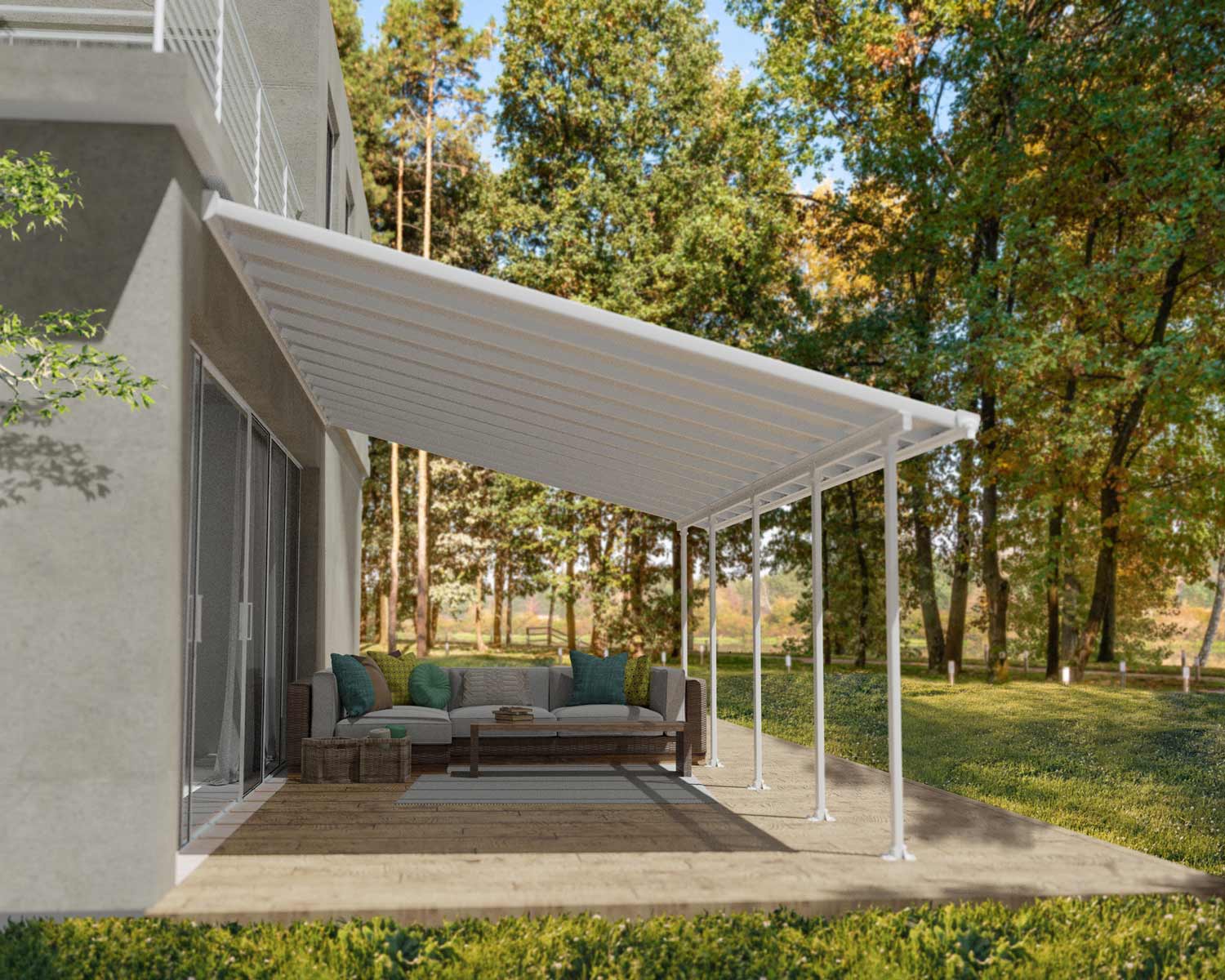
Orr recommends focusing on the areas where homeowners spend the most time, such as outdoor dining spaces and lounge areas, rather than covering the entire patio. Thoughtful exterior design can create a more private, comfortable outdoor environment without making the property feel closed off.
Think About Privacy After Dark
Lighting can affect how a patio looks and feels after sunset, so it is worth considering as part of the overall outdoor design.
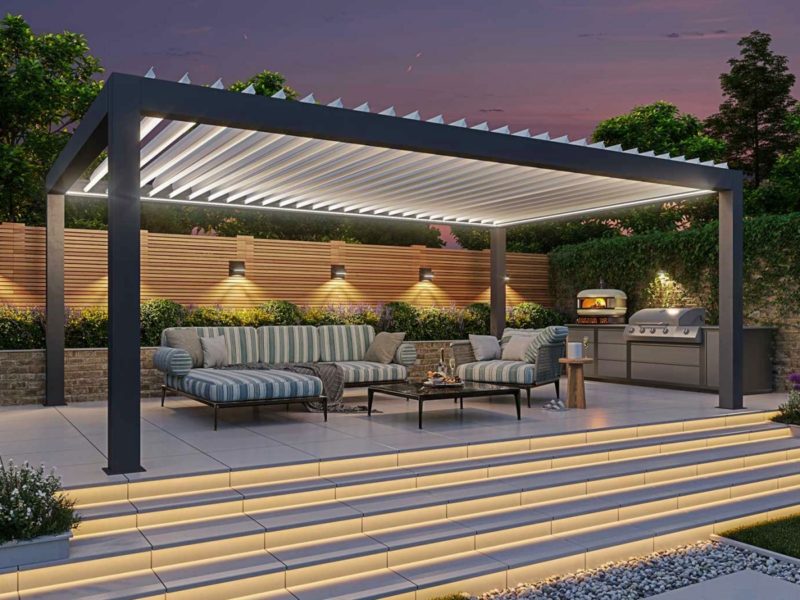
“When we plan outdoor lighting, we focus on where light is actually useful,” says Nick Schriver, General Manager and CEO of Decorating Elves. “That might mean illuminating steps and pathways for visibility or using light to highlight landscaping and other features around the property. You don't necessarily need to light every part of the outdoor space.”
For a patio, homeowners can concentrate lighting around areas that need visibility, such as entrances, steps, pathways, and seating areas, while considering how those fixtures work with fencing, plants, and the rest of the landscape.
Think Beyond Visual Privacy
A patio can be screened from view and still feel exposed if nearby conversations, traffic, or neighborhood activity dominate the space.
A small water feature can introduce a consistent background sound, while plants and thoughtful furniture placement can create a greater sense of separation from surrounding activity.
Complete silence is rarely realistic outdoors. The goal is simply to make outside sounds less noticeable so the patio feels more like its own space.
Layer Your Privacy
The most natural-looking privacy often comes from combining several smaller solutions. A fence might block the most exposed side, plants can soften the boundary, an umbrella can reduce views from above, and carefully positioned lighting can make the space more comfortable at night.
Before making changes, spend time on the patio during both the day and evening. Pay attention to where people can see in, where you naturally sit, and which areas actually need screening.
Creating Privacy That Still Feels Open
A private patio does not have to feel enclosed. The best approach is to identify where privacy is actually needed and use a combination of fencing, plants, furniture, overhead cover, and lighting to address those areas.
When these elements work together, the patio can feel more comfortable and secluded while still remaining connected to the rest of the outdoor space.
Ultimately, good patio privacy is less about blocking everything out and more about creating a space where you can relax without feeling exposed.
Frequently Asked Questions
1. How can I make my patio more private without building a fence?
You can use tall plants, outdoor privacy screens, strategically positioned furniture, umbrellas, or pergolas to block unwanted views. Combining several smaller features can create privacy without enclosing the entire patio.
2. What is the best way to add privacy to a patio overlooked by neighboring windows?
Start by identifying the specific sightlines that make the patio feel exposed. Tall shrubs, lattice screens, pergolas, and covered patio structures can help block views from neighboring windows and balconies while maintaining an open outdoor feel.
3. How can I make my patio feel more private at night?
Use outdoor lighting to illuminate pathways, steps, and seating areas without unnecessarily brightening the entire patio. Combine lighting with plants, fencing, or screens to create a comfortable atmosphere while reducing the feeling of exposure after dark.




Enhance your outdoor living experience with a concrete patio installation in San Antonio.

Looking for reputable and trusted landscape contractors Long Island is the first step to an outdoor space update.
The benefits of an outdoor space upgrade are overflowing and would give you a remarkable return on investment.
Thus, make sure you do it especially with the right people for the job.Services by Certified Landscape Contractors Long IslandSo, what are the upgrades that you can do for your outdoor space?
Are they worth every dollar you invest in these projects?
Why do you need a reliable and proven contractor for your landscape venture?
These are just a few of the things to consider when making a serious plan for a landscape upgrade.One of the most popular services that trusted landscape contractors Long Island offer is water features.