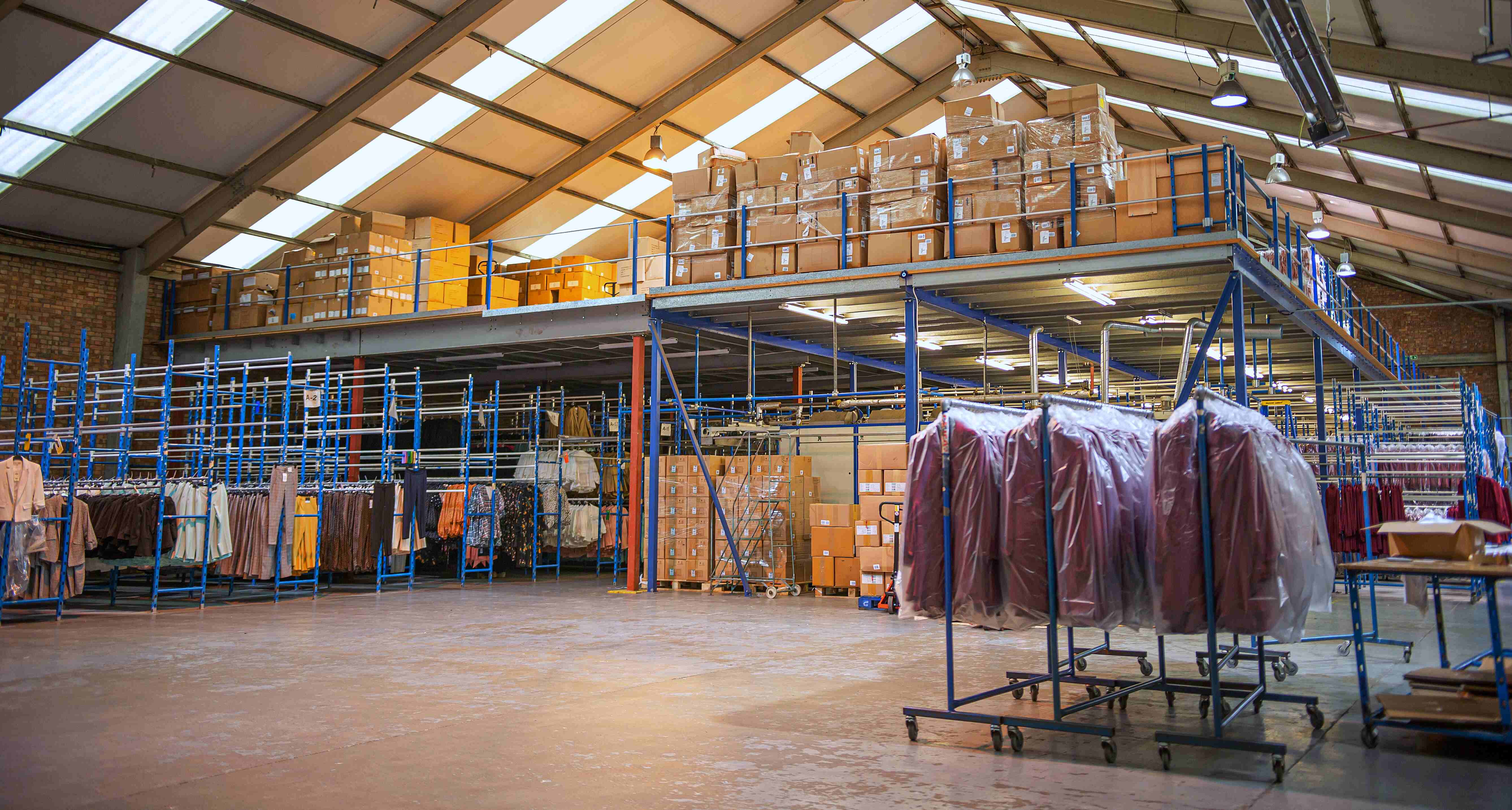


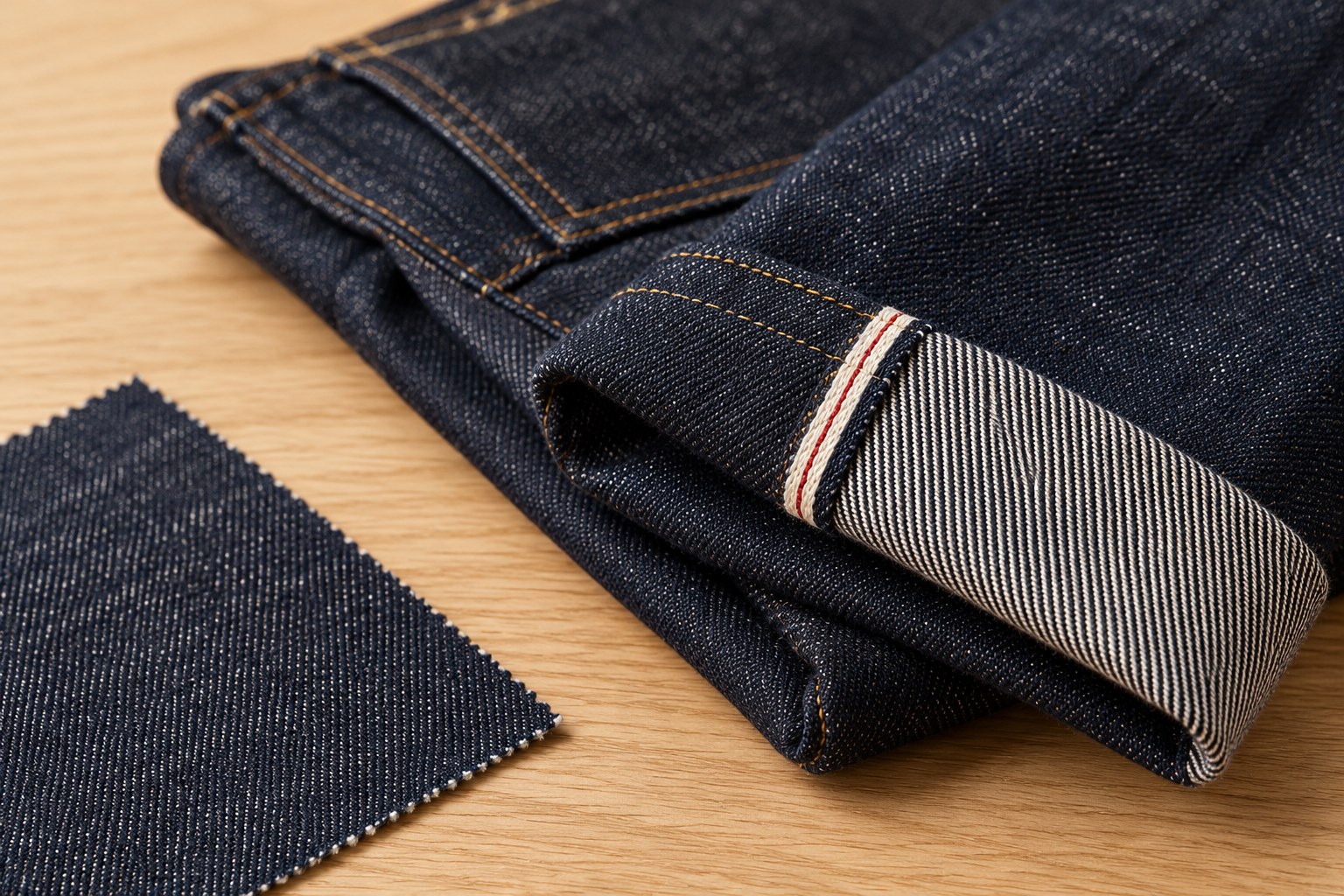
A coloured edge can make a jeans sample memorable, but it cannot tell a buyer how the finished garment will fit, wash or perform. For a first selvedge collection, the useful task is to turn an appealing detail into a complete product specification. Start with the customer and the finished jeans, then work back to the fabric. This approach makes competing mill options easier to compare without treating origin or a red identification yarn as a quality verdict.
Define the jeans before choosing the edge
Describe the intended wearer, silhouette and care experience. Someone seeking a structured straight leg may accept a different hand feel from someone buying an easy summer trouser. State whether the garment will be sold unwashed or after a specified finishing sequence. Keep that choice separate from selvedge construction: a self finished fabric edge and the garment's washing history describe different things.
Ask for a complete fabric reference rather than a loose swatch with a country name. Record composition, construction, usable width, weight and finishing state. Identify which version will be used for sampling and which can be booked for production. If the attractive sample is unavailable at the proposed order quantity, it is a development reference, not yet an approved production material.
Inspect the actual construction
Examine the edge and the body of the cloth together. Confirm how the edge will appear in the proposed outseam, including any turn up. A design may reveal the identification yarn only when cuffed, so assess that presentation on the intended size and length. Do not change a fit solely to make a fabric detail more visible unless the resulting garment still serves the customer.
The discussion of fabric identity in Apparels Custom's selvedge denim overview can help organize questions about mill references, edge colours and construction. Treat its market direction as a supplier perspective. For the buying decision, request the specification and physical evidence for the particular fabric rather than transferring a broad country comparison to an individual roll.
Compare garments in the intended finishing state
Have candidate fabrics made into comparable samples where practical. Keep the pattern and essential construction constant so that a material change can be interpreted. Evaluate the jeans standing, seated and moving. Look at the waistband, seat, leg fall and cuff bulk. A small swatch cannot demonstrate all of those interactions, particularly when its stiffness differs from the washed production garment.
Record dimensions before and after the proposed care sequence. Separate length and width changes from twisting or an altered seam position. CottonWorks discusses shrinkage and skew as distinct quality questions; this supports keeping separate observations instead of assigning one general stability score. A household development check can reveal a concern, while a laboratory assessment needs a defined method, specimens and agreed acceptance criteria.
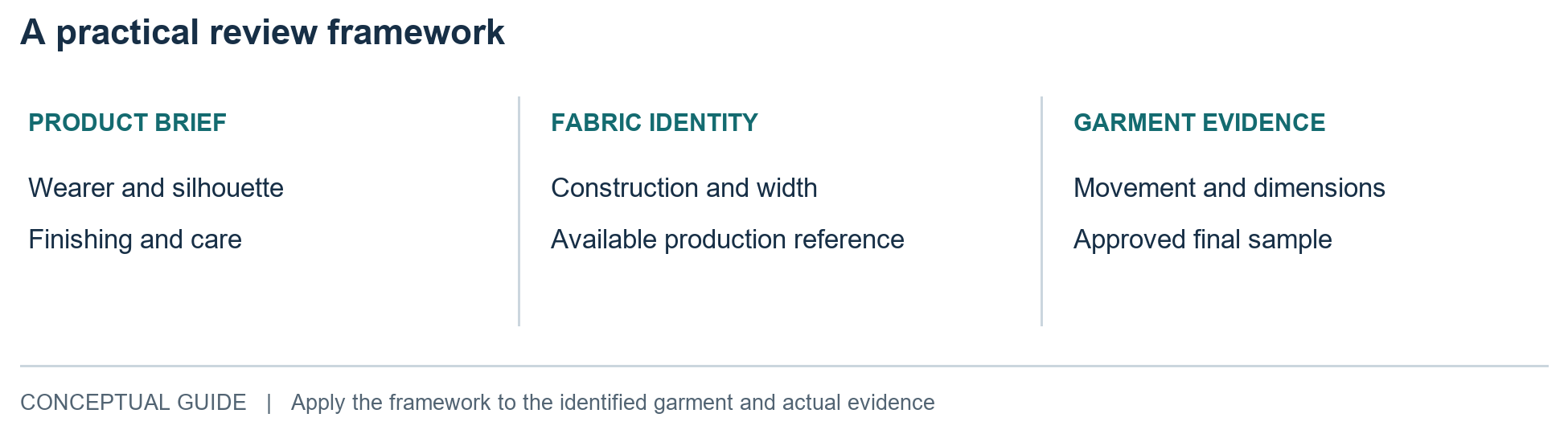
Check consistency beyond the display sample
Ask how fabric lots will be identified and kept associated with the order. Agree on the physical reference used to judge shade and appearance, including any acceptable range. Compare samples under consistent viewing conditions. A photograph can help locate a difference, but changes in lighting and camera processing make it a weak sole basis for approving a subtle indigo shade.
Retain an approved garment with its fabric and finish references. If a later production sample differs, first check whether the material, pattern or finishing route changed. That sequence gives the team a specific investigation. Without these identifiers, an argument about whether the fabric looks premium can continue while nobody establishes which version was actually made or supplied.
Decide what the customer can reasonably be promised
Translate the approved result into accurate product information. Explain fit, relevant dimensions, composition and permitted care. Describe the visible edge as a construction feature without using it to promise superior strength, a particular fading pattern or a guaranteed lifespan. If the jeans are unwashed, make the associated fit and care expectations explicit using evidence for that actual garment.
Keep the launch manageable enough to support these checks. One documented fabric and finish combination can be more useful than several loosely specified options. Record unresolved issues before committing to additional colours or shapes. If the sample does not meet the brief, revise the material or design; a compelling fabric story cannot compensate for a waistband or leg shape that the intended wearer rejects.
Conclusion
Choose selvedge jeans as a complete garment. Verify the fabric identity, review construction on the intended silhouette and assess the result after relevant finishing and care. Preserve the references that connect the sample to production. These steps provide a stronger first collection than a buying decision based mainly on an edge colour or a country of origin.
Q&A
Does selvedge mean the jeans are unwashed
No. Selvedge describes the fabric edge. Ask separately about the garment's finishing state and the care or dimensional information that applies to it.
Can I approve the fabric from a swatch alone
A swatch helps compare surface and colour, but it cannot establish finished fit. Use a garment sample to assess construction, movement and the intended finishing result.
Should every pair fade in the same way
Do not promise identical fading. Wear, care and the particular material affect appearance. Base descriptions on documented product characteristics rather than an imagined customer outcome.


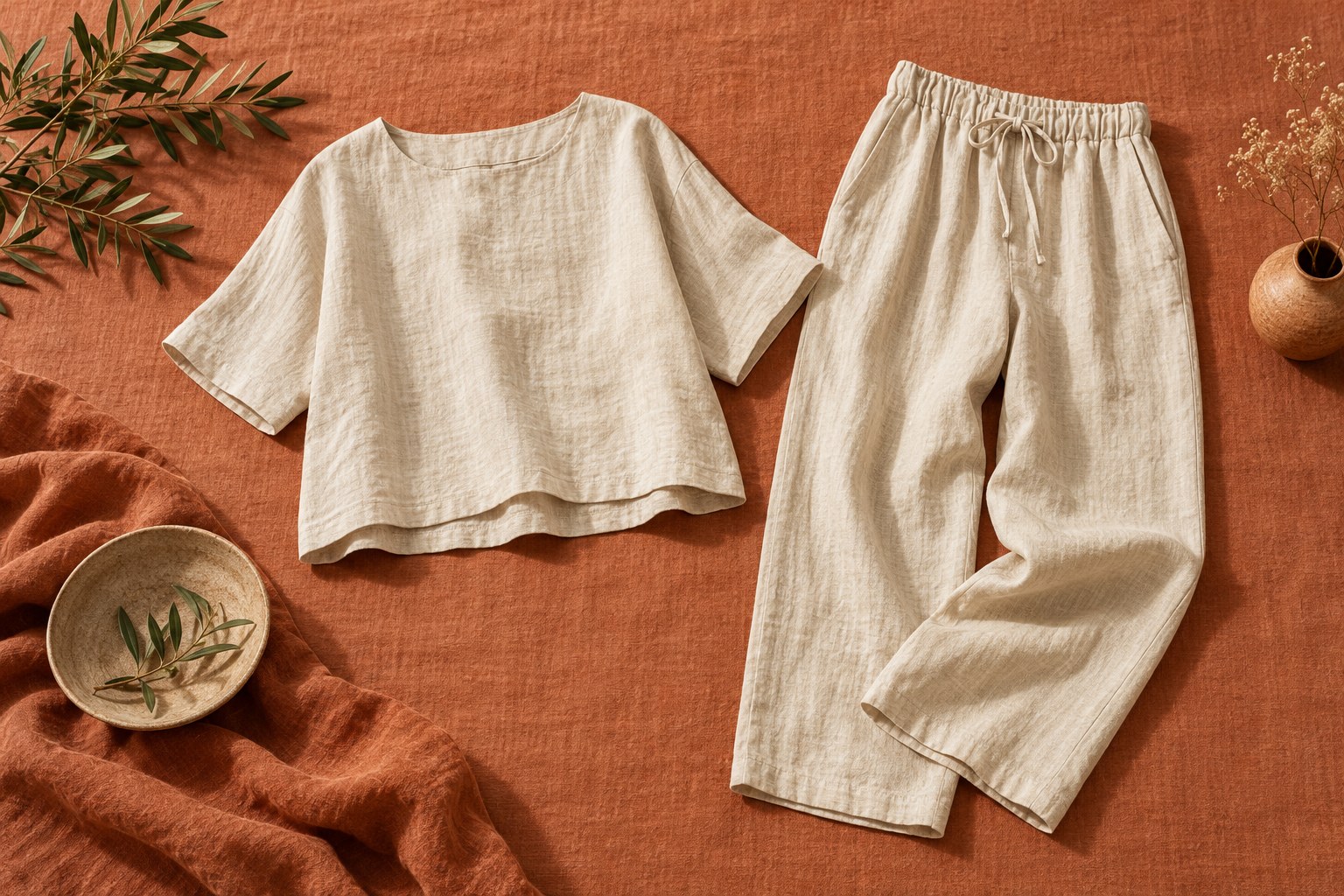
A matching set needs to look coherent together while remaining useful as separate pieces. That creates more questions than choosing one attractive linen swatch. The top and bottom may need differen