



Business ICTPartners

0

0

1


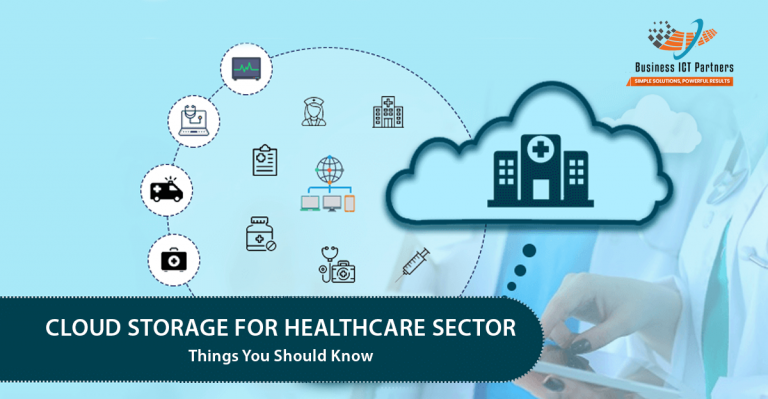
Healthcare industry deals with enormous data of patients daily. It contains their personal information, health reports, and medical history among other important things. Managing this huge data is a herculean task due to its diversity and privacy threats. This is why healthcare organizations have embraced cloud computing services.
Source: https://busict.com.au/blog/cloud-storage-a-boon-for-healthcare-industry/
0
0
1
Business ICTPartners
From the Author


Related Articles

With the endless benefits of cloud computing in the telecom industry, it is high time businesses learn to imply telecom cloud strategies in their everyday operations. The telecom service operators and providers can store and compute customer data, create cloud data warehouses, migrate cloud data, cope with other telecom cloud services, access any tele service through the cloud autonomously, etc. With the endless benefits of cloud computing in the telecom industry, it is high time businesses learn to imply telecom cloud strategies in their everyday operations. By far, the adoption of archetypes of cloud computing for telecom companies has positively impacted both the telecom cloud market and customers. Now, coming back to the benefits of cloud computing for telecom businesses, there are unlimited opportunities for telecom cloud enterprises to explore. Top 3 trends of Cloud Computing For Telecom BusinessesThere is a race for resilience and scalability in the telecom cloud market.
0
2

As businesses increasingly rely on digital solutions to drive their operations, the scalability, flexibility, and cost-efficiency offered by cloud computing services make it the future of enterprise apps in 2023 and beyond. The future of cloud computing is bright, with Amazon Web Services leading the way as a leading cloud computing solution. According to a 2019 survey of technical specialists from different firms, enterprise cloud technology has recently experienced tremendous adoption, with anticipated adoption rates of 91% for public cloud solutions and 72% for private cloud services. Several factors drive organizations to quickly adopt enterprise cloud technology:Cost savingsAdopting an enterprise cloud solution often allows businesses to leverage pay-as-you-go pricing, meaning they only pay for the resources they use. As a consequence, enterprise cloud users frequently notice lower, less unpredictable, and easier IT costs.
0
9

Managing a backup data center for traditional disaster recovery may be time-consuming and costly. There are several suppliers of disaster recovery as a service to select from, with three primary models: ● Managed DRaaS: A third party assumes complete responsibility for disaster recovery in a managed DRaaS approach. The service provider provides knowledge for improving disaster recovery procedures under this model, but the client is responsible for implementing portions or all of the disaster recovery plan. If you wish to migrate to VMware Cloud on AWS on your own, you might explore VMware Cloud Disaster Recovery and VMware Site Recovery options and study cloud computing certification online. In the event of a disaster, important workloads can failover to a disaster recovery site to allow business activities to restart.
0
7