

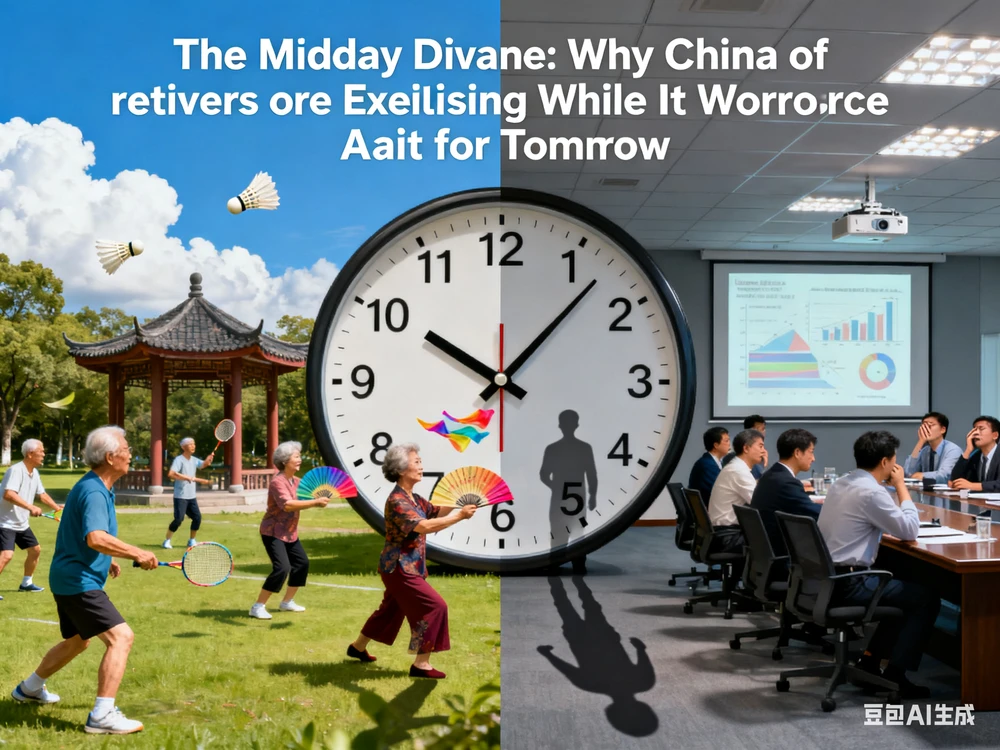
2025/10/15 BEIJING — Every evening in China’s urban centers, a scene of stark contrast unfolds.
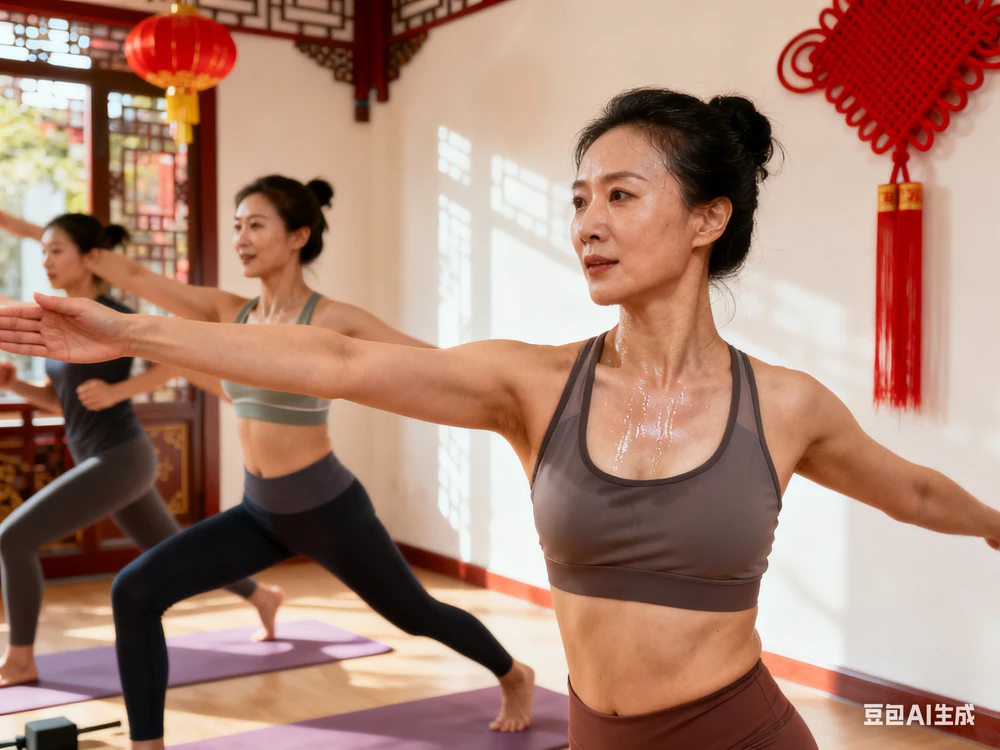
Under the fluorescent glow of city squares, hundreds of retired women—the famed guangchangwu dama—move in synchronized, vigorous harmony.
Across town, in the high-rise offices, their children, the nation’s professional backbone, are hunched over desks, often past midnight.
This visual dichotomy highlights a profound national health challenge.
China has successfully mobilized its vast population of retirees into what is arguably the world’s largest public fitness movement.
Yet, the generation shouldering the nation’s economic ambition remains largely sedentary, deferring exercise to a theoretical future when work demands subside.
This pattern, experts warn, is unsustainable. “The current model of intensive work followed by a delayed start to physical activity places undue strain on the public health system and creates unnecessary burdens on future generations,” said Mr. Zhao Lei, a senior analyst at the China Fitness Industry Development and Promotion Association (CFIDPA), citing the association’s 2025 development brief.
The CFIDPA advocates for a national shift, urging the productive workforce to integrate short, strategic bursts of activity into their daily schedules now, rather than waiting for retirement.
The Phenomenon of the 'Retirement Athletes'
The retirees—often referred to as dama (a term for middle-aged women) and daye (middle-aged men)—have turned public spaces into their gyms.
Their activity levels are a social triumph, born from a combination of time, community need, and a lack of expensive alternatives.
Community and Consistency in the Public Square
The "square dance" (guangchangwu) and "power walking groups" (baozoutuan) are more than just exercise; they are powerful social structures.
- Loneliness Countered: For women who have completed their primary role as caregivers, these groups offer a critical sense of belonging and a new identity. A 2025 study noted that engaging in square dance significantly reduced loneliness and improved the mental well-being of middle-aged and older women.
- A Financial Barrier Lowered: The cost is negligible. Ms. Fan Aiqin, 67, a retired accountant who leads a walking group in Shanghai, noted, “We just need good shoes and a strong loudspeaker. Why pay for a gym when the park is free and the company is better?” She added, “We started walking because we want to be healthy for our grandchildren, but we stay for the laughter.”
The Statistics of Delayed Activity
While the older generation thrives, the middle-aged workforce faces concerning health trends.
Data from China’s national physical fitness monitoring reports show that while the national physical fitness attainment rates are generally improving, there remains a persistent gap.
The 40-to-59-year-old group, often bearing the heaviest professional and familial responsibilities, shows some of the lowest rates of consistent engagement in vigorous physical activity.
This is the demographic caught between parental care and workplace pressure.
The Challenge of the '996' Generation
For professionals aged 30 to 50, exercise is often viewed as a luxury, a large block of time that conflicts with the pervasive "996" work culture (9 a.m. to 9 p.m., six days a week).
The resulting health consequences are becoming increasingly visible.
Work Culture as a Health Liability
The prevailing wisdom among many ambitious urban workers is that career success requires absolute dedication, pushing self-care far down the priority list.
- Mr. Li Wei, a 38-year-old technology manager in Beijing, encapsulates this struggle. “I wake up, I commute, I work until the moon is high, and I go home. The thought of finding an hour for the gym is a joke,” Mr. Li said during a short interview near his office. “I know I should. My blood pressure is up. But if I don’t answer that last email, I worry I’ll lose the promotion that pays for my child’s future. I’ll exercise when I retire, like my father.”
- The Cost of Waiting: This delay is a ticking public health time bomb. Health experts warn that chronic conditions—like hypertension, diabetes, and musculoskeletal issues—developed during these high-stress, sedentary decades are far harder and more expensive to manage later.
The Myth of the 'Perfect Workout'
Part of the issue is psychological. Many middle-aged professionals believe exercise must involve a 60-minute session, a dedicated locker room, and a specific routine.
If they cannot commit to the perfect workout, they commit to nothing at all. This "all or nothing" mentality is the enemy of consistency.
The Solution: Embracing 'Exercise Snacks'
The emerging consensus among sports scientists and industry advocates, including the CFIDPA, is that the solution for the time-poor workforce is not a new gym membership, but rather a more fragmented, integrated approach: the "exercise snack."
What are Exercise Snacks?
Exercise snacks are short bursts of moderate-to-vigorous physical activity lasting five minutes or less, performed multiple times throughout the day.
This simple, science-backed approach counters the harmful effects of prolonged sitting and is proven to boost cardiorespiratory fitness in sedentary adults.
- Stair Climbing: Three 60-second bouts of fast stair climbing spread throughout the workday.
- Office Squats: Two minutes of bodyweight squats or wall sits during a break.
- Power Walking: A brisk, five-minute walk around the office block instead of sitting during a long phone call.
Scientific Validation and High Adherence
A comprehensive meta-analysis published in late 2025 highlighted the effectiveness and practicality of this model. The research found that participants in "exercise snack" routines showed significant improvement in cardiorespiratory fitness, and crucially, adherence rates were exceptionally high (over 80 percent).
The findings suggest that these short, flexible bouts of exercise are easier to integrate into daily routines than a rigid gym schedule.
Dr. Chen Hong, a sports physiologist consulting with Chinese tech firms, is championing the concept. “We are fighting the mindset that exercise must be a big production,” Dr. Chen stated. “For the working professional, the three-minute high-intensity burst is far more achievable than the one-hour commitment. This is scientifically sound movement, not just stretching.”
A Call to Action for Companies
The biggest opportunity to shift this trend lies with the employers.
Companies that adopt and encourage the "exercise snack" model can realize significant returns on investment.
- Increased Productivity: Short bursts of movement have been linked to improved cognitive function and focus, directly countering the afternoon slump.
- Reduced Healthcare Costs: By actively promoting daily, even minute-long, bouts of activity, firms can help mitigate the long-term health risks associated with their high-demand work environment.
- Cultural Shift: Acknowledging the need for brief breaks sends a powerful signal to employees that their physical well-being is valued, helping to fight the toxic perception that burnout is a badge of honor.
Ultimately, the goal is to bridge the "Midday Divide." The energy and consistency of China’s retirees should serve as an immediate inspiration, not a future goal.
The middle-aged workforce does not need to wait until their retirement years to experience the vitality found in the public squares.
They simply need a three-minute break, a set of stairs, and permission to move.
Frequently Asked Questions (FAQ) on Chinese Fitness Trends
Q1: What is Guangchangwu?
A: Guangchangwu, or square dance, is a popular group exercise in China, typically performed by middle-aged and elderly women in public squares or parks, involving synchronized, low-impact choreography set to popular music.
Q2: Why are middle-aged professionals in China less active than retirees?
A: The disparity is primarily due to the high-pressure work culture, such as the "996" schedule (9 a.m. to 9 p.m., 6 days a week), and the belief that exercise requires a large, dedicated block of time, which conflicts with their professional and familial responsibilities.
Q3: What are "exercise snacks" and how do they benefit the working population?
A: Exercise snacks are short bursts of high-intensity activity (under 5 minutes) performed several times daily. They benefit the working population by improving cardiorespiratory fitness, countering prolonged sitting, and offering a practical, time-efficient way to maintain health without disrupting the workday.
Q4: How can Chinese companies support the adoption of "exercise snacks"?
A: Companies can encourage this trend by structuring short, mandatory break times, creating designated safe areas for quick movement (like stairwells or open lobbies), and promoting short office challenges to gamify the activity.
Q5: Is Baizoutuan (power walking) still a major trend in 2025?
A: Yes, the power walking groups remain highly popular among retirees and older adults in 2025. They continue to be an effective, no-cost method of exercise that strongly emphasizes community and social interaction.
Feeling exhausted? Checkout the best tips to maintain a healthy work-life balance.
Being always on the job does not help you achieve tasks quicker, it can actually slow down productivity.
Leave work at the door for ideal work-life balance
When you leave the office in the evening commit to leaving your stress behind.
A negative mindset can impact your time with your family or friends, so try to focus on the positives when you are home.
It is important to unplug from work as it allows us to recover from weekly stresses, and gives your body and mind a chance to rest.
Whilst your job is a big part of your life, it shouldn’t be your entire life.
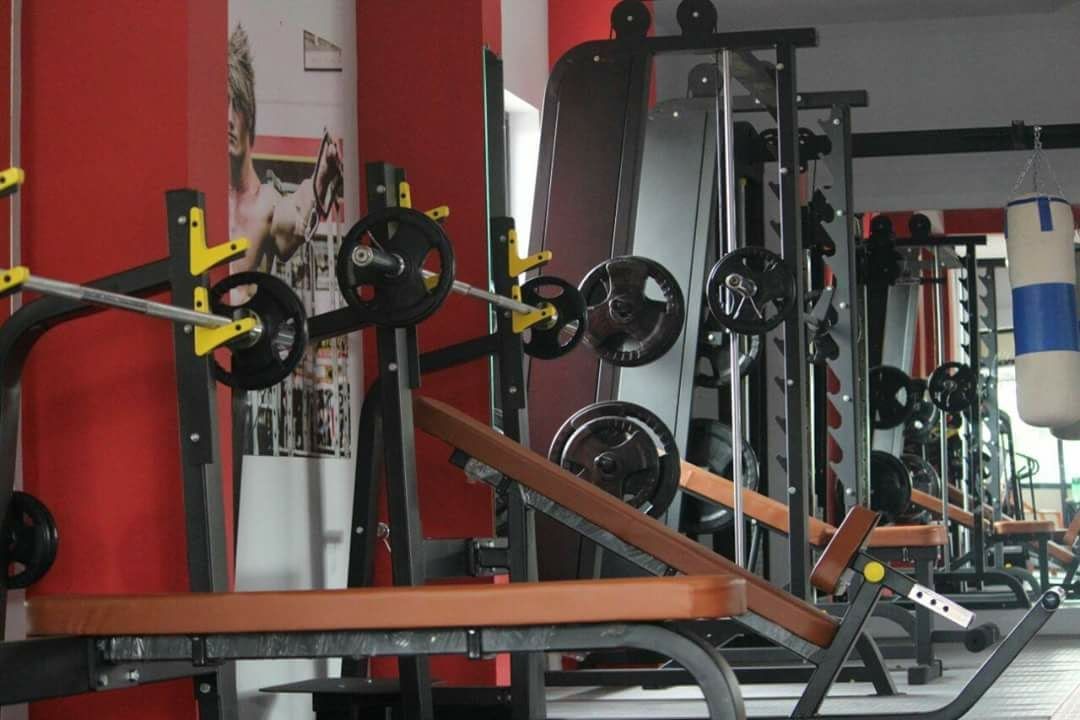
Do you know that you can get the best online sports and fitness shop that would prove to be very useful to you?
Well you need to make sure that perfect attempts are taken to find the reliable one that would not only make you get the right amount of fulfillment but would also help in a good way to save a lot of your cash as well.
Thus you have to make sure that it provides with the perfect quality equipments that would not lead to any worry at all.
With the help of the best online sports and fitness shop in India it would make you stay yourself on a much better side that would not let you get tensed at all.Save your money: You would also be able to save a lot of your money when you find good discounts that would add to your fulfillment.
So your own good amount of selection can really help you to feel glad of your own right choice made in the best way.
Does it provide the best quality?