


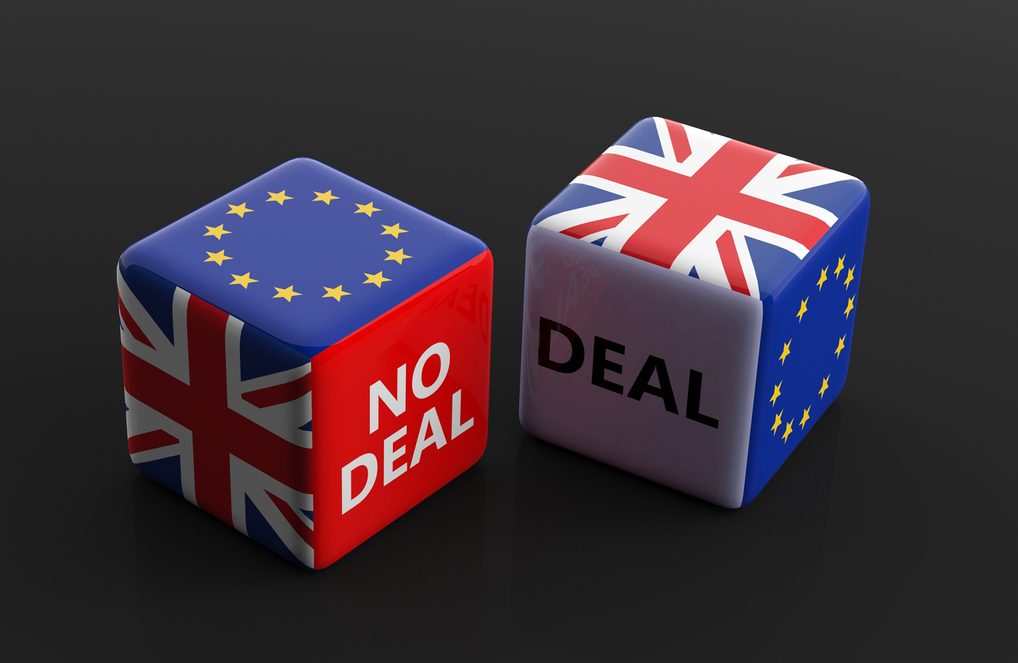
‘Britain Exit’, commonly known as Brexit, is the decision by the United Kingdom to leave the European Union. The United Kingdom had been a member of the European Union since 1973. The economic effects of Brexit have been wide and long-lasting for the United Kingdom as well as the global economy.




When the UK voted to leave the European Union in 2016, the British public split into ‘Leavers’ and ‘Remainers’.
Further divisions stemmed from those who advocated a ‘soft Brexit’, which would see the UK retain close ties with the EU, and those who wanted a ‘hard Brexit’, where Britain would seek greater independence from its European neighbours.Those who favour a hard Brexit argue that it will give the UK back its national sovereignty, leaving the country with absolute control over its borders, laws and trading arrangements.On the other hand, many fear that a hard Brexit will lead to unfavourable trade relationships, which could leave the UK in economic and financial disarray.But is this likely to happen, and what will the situation actually look like if it does?
Let’s take a look at the current state of the Brexit negotiations and examine the impact of possible outcomes on the British economy.
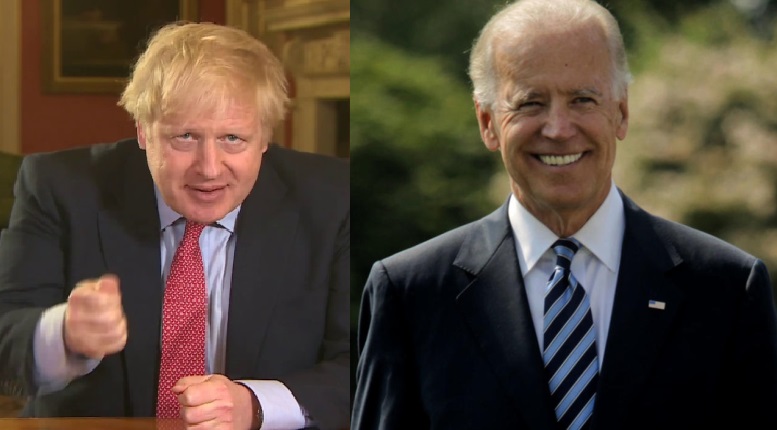
The Prime Minister of United Kingdom, Boris Johnson has cast doubt on the prospects of a trade agreement with the US under the president-elect, Joe Biden.
He said a deal will not be a pushover.Read more at: https://bit.ly/2JF7OHV