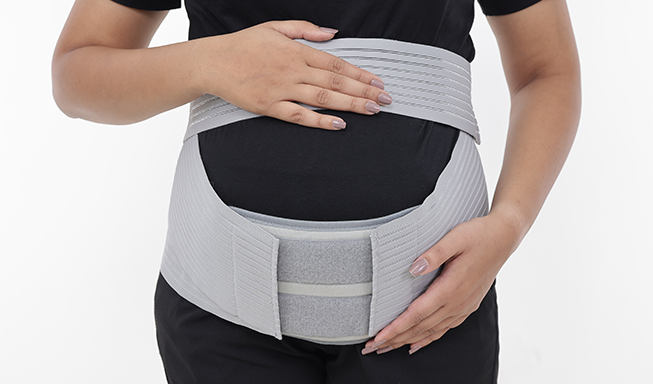


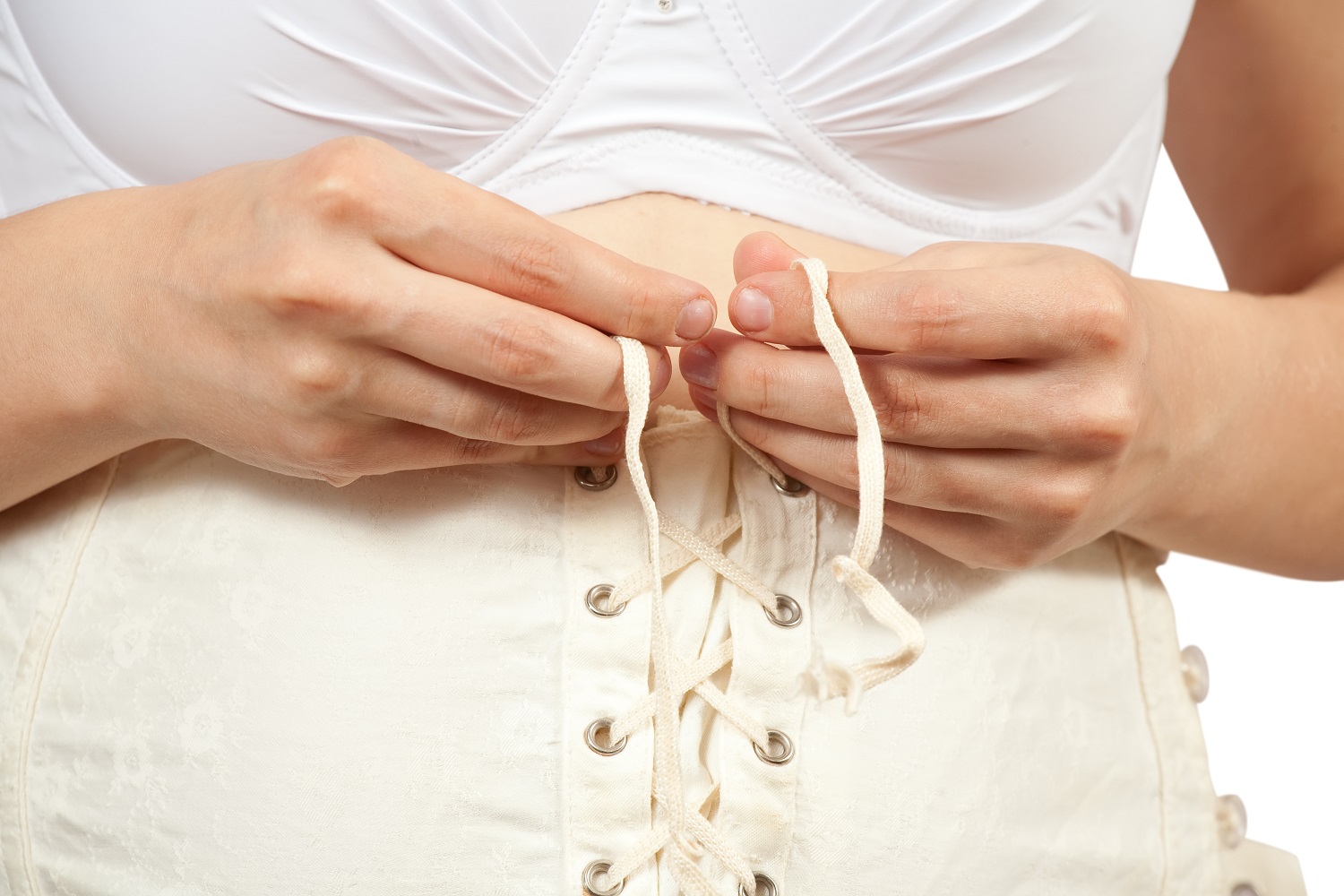
During pregnancy, your body goes through many changes to accommodate the growing baby. Organs moving out of their normal position and diastasis recti is not new for pregnant women. Using postpartum belly belts can help reduce these effects. Many physiotherapists and doctors also suggest wearing postpartum leggings for recovery after c-section. You first need to understand how it works before undergoing any c-section recovery treatment.
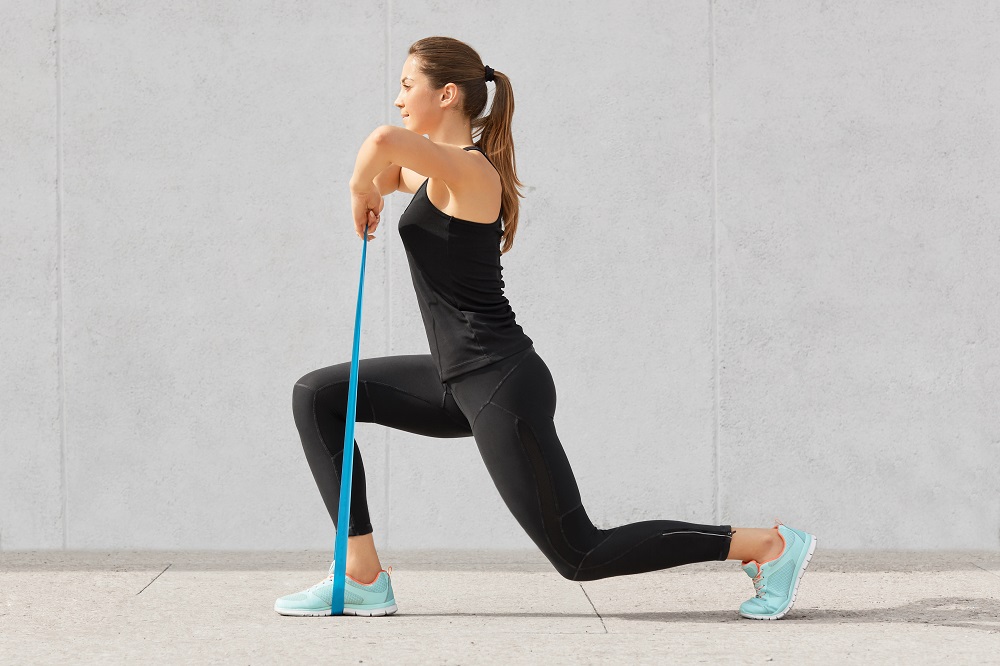

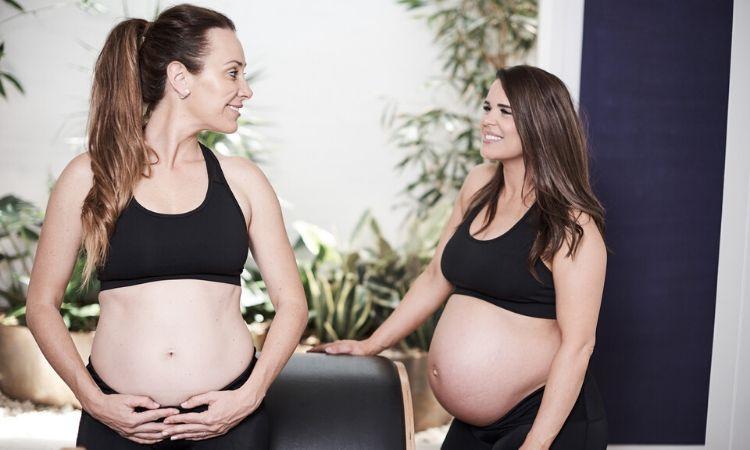
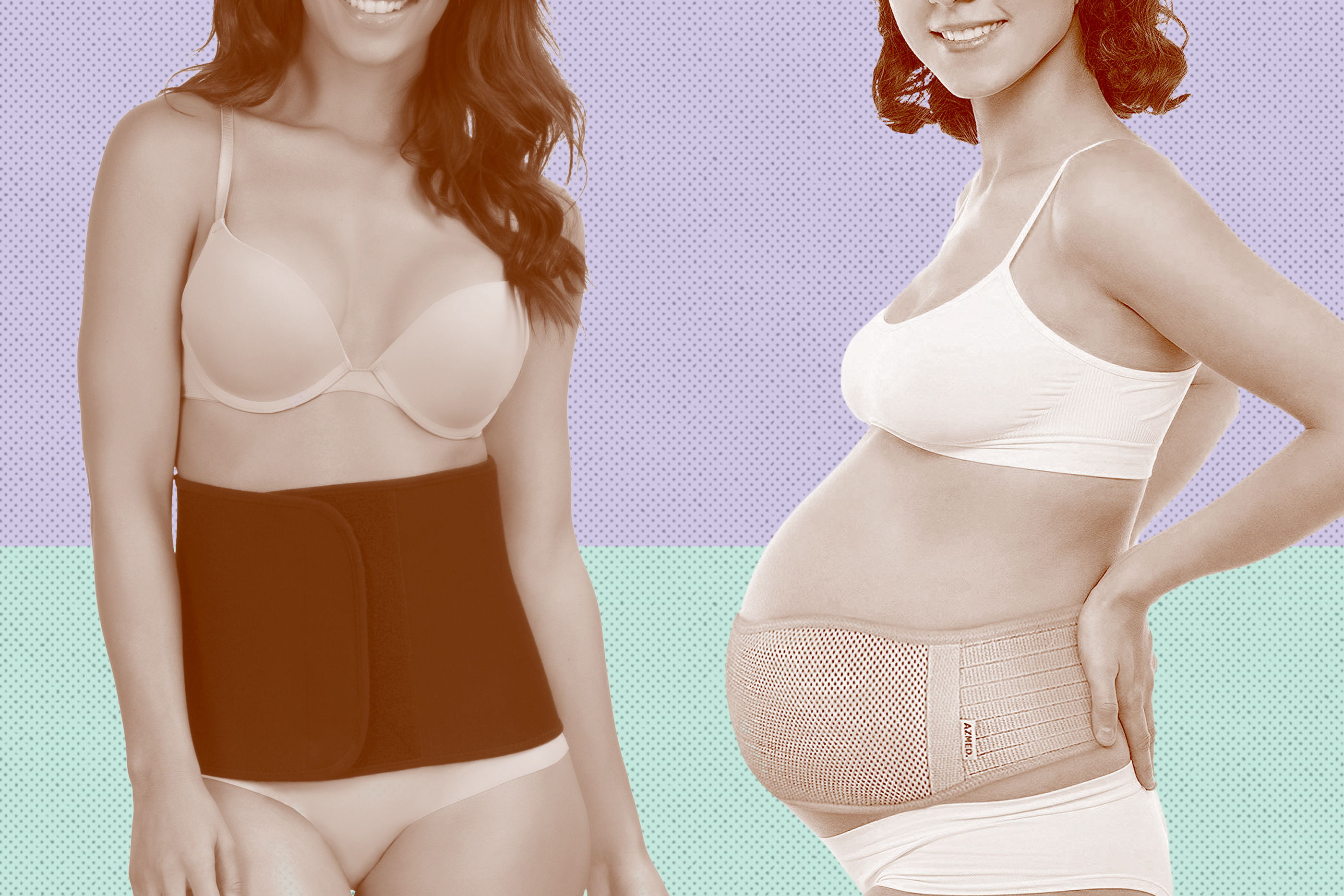
Every new mom embraces her post-pregnancy body differently.
for a few women, postpartum shapewear like postpartum belly bands or wraps might assist you feel easier and supported within the youth after baby's birth.
), you would possibly be feeling a touch uncomfortable.
While there is no evidence that wearing a Postpartum belly shapewear offers any medical benefits for ladies postpartum, “many women with back pain and pubic symphysis pain report that they find the belly shapewear comfortable after pregnancy.In addition to potentially helping reduce pain, some new moms also address Postpartum belly shapewear and wraps to raised support and align their abdomen, provide light compression or take the pressure off a cesarean incision.
Still, there's no evidence that postpartum belly bands or wraps can assist you lose the baby weight faster.
This Postpartum belly shapewear helps reduce swelling, support core abdominal muscles and return uterus to its original size sooner.
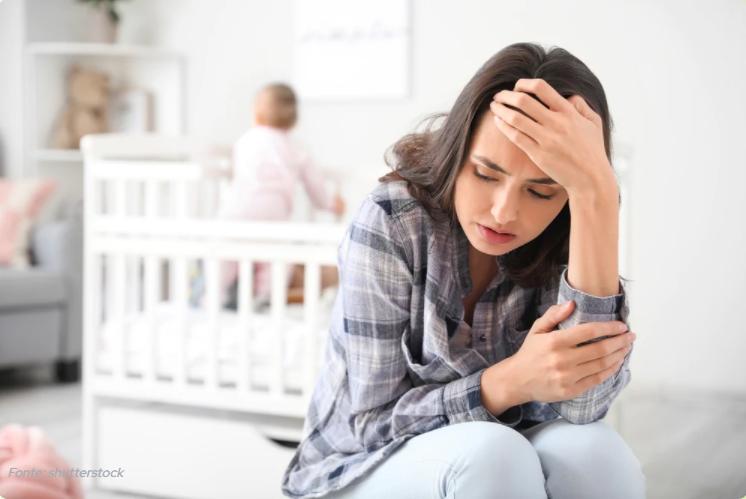
We need to distinguish between baby blues and outright depression.
In the first case, the abrupt hormonal changes that occur in the mother's body immediately after childbirth and the strong psycho-physical stress associated with labor and childbirth come into play.
Other factors that can contribute are physical fatigue, normal anxiety linked to increased responsibility, the possible presence of conflicts with the partner and family members regarding the management of the child.Postpartum depressionAs for actual postpartum depression, the causes are not fully known.
"Again, there is probably a biological basis given by the hormonal changes typical of pregnancy and the period after birth, on which other factors are grafted," says Mauri.The main risk factors listed in the scientific literature for postpartum depression are:having suffered from anxiety or depression during pregnancy;have suffered from anxiety and depression previously, even before pregnancy;familiarity with psychiatric disorders (i.e.
having close family members who suffer from it);experiencing or having recently experienced very stressful situations, such as bereavement, separation, loss of a job;living a condition of poor family or social support, with precarious emotional relationships and a lack of social networks to refer to in case of difficulty;economic difficulties or precariousness;suffer from premenstrual syndrome or premenstrual dysphoric disorder;suffer from thyroid function disorders.
"Some studies suggest that even having resorted to assisted fertilization techniques may represent a risk factor" adds Franca Aceti.