




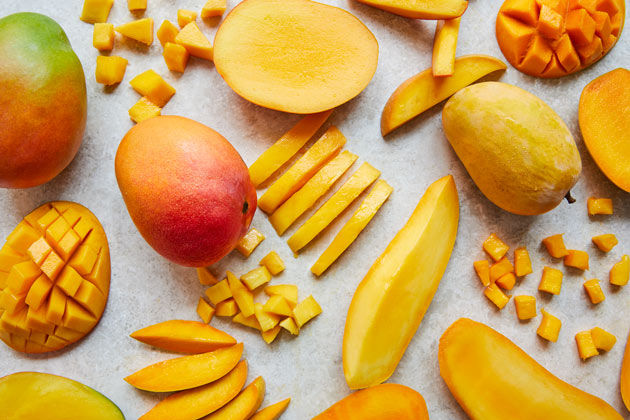
At first glance, cutting mangoes seems quite simple, but it is not. The biggest trouble in cutting a mango is the flat core in the middle. It will be tricky to cut. The wrong method will leave a lot of pulp on the mango core, and mango juice will get everywhere.
Today I will introduce several steps to cut mangoes
A mango has one long, flat seed in the center of the fruit. Once you learn how to work around the seed, the rest is easy.
Always use a clean knife and cutting board to cut a mango. Sanitize your hands, work area, utensils and cutting board before handling or cutting any fruits or vegetables, especially if you’ve handled any type of meat or seafood.

Always wash the mango before cutting.
Hedgehog-shaped mango cut
Step 1 Wash the mango . Hold the mango in your hand, place it under running cold water, and wash it gently while rubbing it with your hand. You can also use a clean fruit and vegetable washing brush to scrub the surface of the mango. If you are not going to consume mango peels, then there is no need to scrub the mangoes in this way.
Step 2 Place the mango on the cutting board . Use your non-dominant hand to stand the mango upright on the cutting board . This way you can cut the pulp down from the top of the mango. Use your dominant hand to pick up a knife with a serrated edge.
Step 3 Cut the mango into three pieces with a serrated knife . There is a flat pit in the center of the mango. You cannot cut this pit. The mango itself is an oval shape. When you cut a mango, cut two pieces horizontally along the central core. The two pieces are the pulp on both sides of the core, each 2cm thick. The remaining petal is the third petal with the pit. The fattest part on both sides of the mango is also called the “cheek” of the mango. When you are cutting mangoes, keep the integrity of the “cheek” flesh on both sides as much as possible, because this is the edible part. In the end you will get three petals: two petals are the pulp on both sides of the mango core, and one petal is the center core of the mango.
Step 4 Engrave the mango flesh. Use a knife to draw vertical and horizontal lines on the mango flesh . Approximately ½ inch wide between scratches. At the same time, be careful not to cut the mango peel when scoring the flesh . Put your fingers against the peel, then push the pulp up to turn out the pulp. At this moment, the mango pieces formed by cutting will protrude outward, looking like the back of a hedgehog. Therefore, this method is also called the “hedgehog method”. At this point, you can easily remove most of the mango pulp.

Step 5 Use a small paring knife to peel off the mango chunks. At this point, you can cut off the mango pulp with a knife and enjoy it. Note that the mango peel is very thin, so be careful not to cut the peel, which will cut your hands. Sometimes, when you encounter ripe mangoes, you can remove the mango pieces by hand. Some people are willing to eat lumpy mango flesh directly from the skin.
Step 6 Use a small paring knife to cut the pulp along the edge of the core . Place one petal with a flat pit on a cutting board , and use a paring knife to cut off the edge of the pulp . Generally speaking, it is difficult to determine the specific location of the core , but it is usually the location where the mango is difficult to cut . The core is also oval in shape .
Step 7 Remove the peel from the remaining pulp. Use your fingers to gently remove the peel from the cored mango slices. The peel is very thin and easy to peel off.
Tips
Make sure that the mango is ripe. It does not need to be too hard, preferably a little soft . Gently pinch it to see if it is ripe .
Note that the mango is very smooth !
Another way :
1. Slice each side just past the seed, about a ¼ inch from the center.
2. Slice flesh without breaking the skin.
3. Scoop out slices with a large spoon and enjoy !
Next , I will introduce a serrated knife to cut a mango .
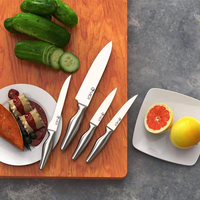
Shun Knife Shun Classic 6″ Serrated Utility/Tomato Knife

Features
Proprietary VG-MAX cutting core with 34-layers (each side) and stainless Damascus cladding
Rockwell Hardness: 60-61; hand-sharpened Japanese single-bevel 16° blade angle
D-shaped ebony PakkaWood handle is strong, durable and resists moisture
Full tang provides strength and balance; hand wash with gentle dish soap
Handcrafted in Seki, Japan with a limited lifetime warranty
Description
The Shun Classic Serrated Utility/Tomato Knife is ideal for slicing foods with somewhat tough skins and soft interiors, such as avocados and more. It works well on sausages especially with tougher casing, and with hard cheeses. This knife is wonderful for a multitude of small tasks where more precise cuts are needed.

The Shun Classic line features beautiful Damascus-clad blades with D-shaped ebony PakkaWood handles. The razor-sharp blades offer top performance. Shun’s proprietary high-performance VG-MAX steel provides incredible edge retention. Blades are handcrafted of durable clad with Damascus stainless steel, ground and bead-blasted creating a flowing pattern of the layered steel. The result is a line of knives that are sharp, durable, and corrosion resistant, as well as beautiful to hold. Handcrafted in Seki, Japan with a limited lifetime warranty.
Why choose YIERCITY
We do professional knife set retail and wholesale business. We hope to be your stable global supporter and partner.
We are an enterprise integrating factory and trade, specializing in the design, manufacture and sales of high-quality knife sets.
We always make every effort to ensure the quality of each set of knives.

Why choose YIER Knives
● The complete knife set contains all kitchen knives.
● Delivery from the local warehouse, within 3 days.
● Manufactured in our own factory, cost-effective.
● Transparent acrylic knife holder, like a work of art
● Excellent materials, safe and durable.
● Free returns
● We listen to customer needs and feedback.

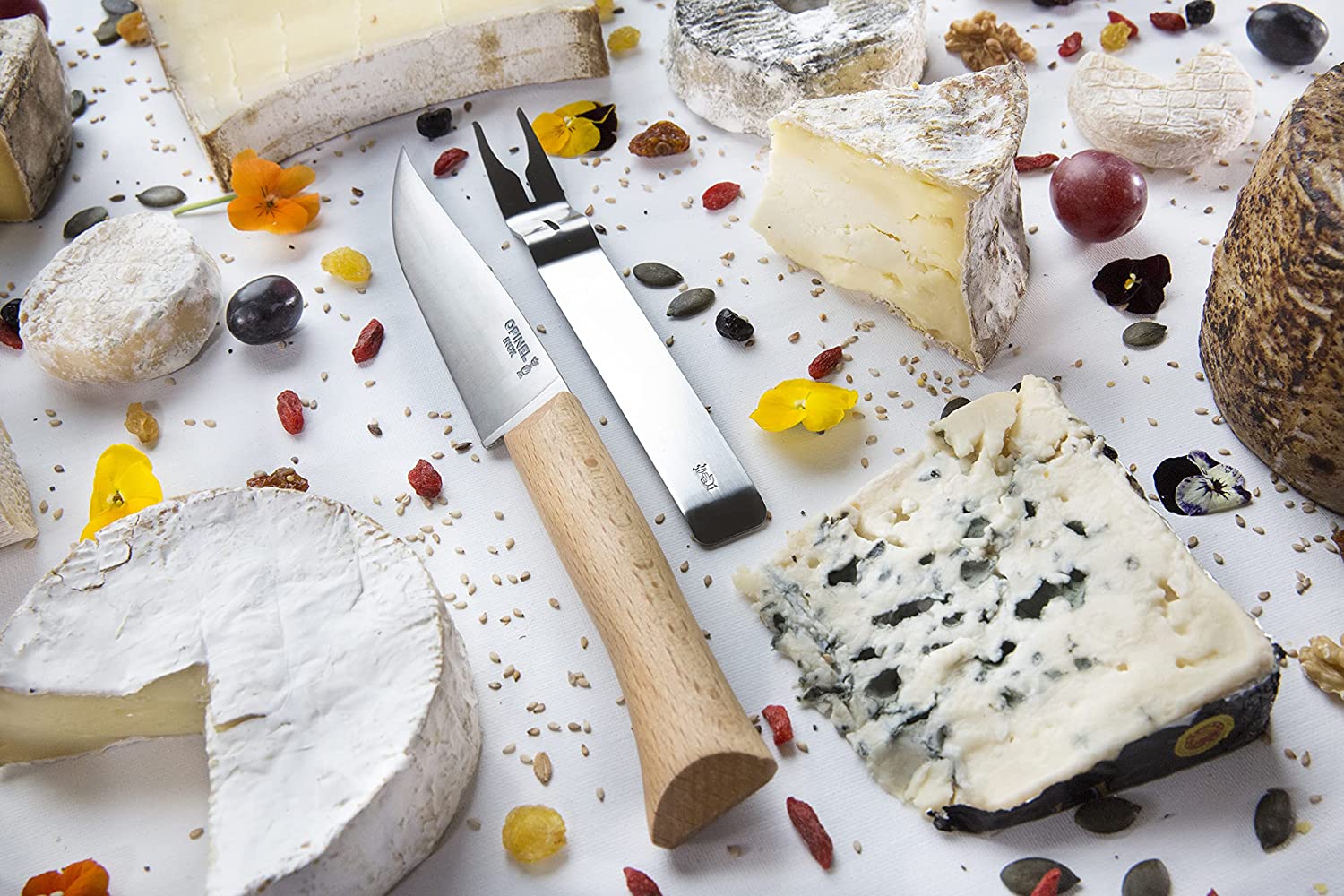
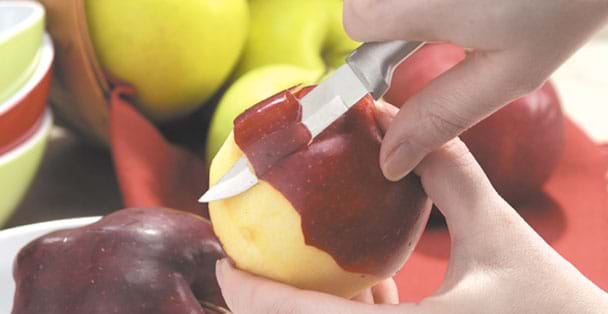
The basic paring knife grip uses 3 or 4 fingers on the knife handle and leaves your thumb free to rest on the item you’re cutting.
Bring your index finger just below the base of the blade and grab the knife at this point.
Keep the sharp part of the blade pointed towards you .
Stop and move your thumb back when the blade gets close to it , then cut more .Step 4Work around the fruit or vegetable in rings.
Insert the blade underneath the intestine and work it up gently .Finally, I will introduce a paring knifeShun Knife Shun Premier Paring Knives FeaturesLimited edition model without handle end cap but same high quality Shun Premier blade.VG-MAX steel core, Damascus clad with 34 micro-layers on each side of SUS410/SUS431 stainless steel; full tang.Hammered Tsuchime finish, helps release the food from the blade easily when slicing.Rockwell Hardness: 60-61; hand-sharpened Japanese double-bevel blade angle 16° (each side).Contoured walnut PakkaWood handle accommodates right and left-handed users.Handcrafted in Seki, Japan with a limited lifetime warranty; hand wash with gentle dish soap.DescriptionThis Shun Premier Limited Edition Paring Knife is an indispensable kitchen prep knife.
The contour on the bottom of the handle ensures an excellent grip whether held by the handle or in a pinch grip.The Shun Premier line calls to mind as the hand-forged knives of ancient Japan.
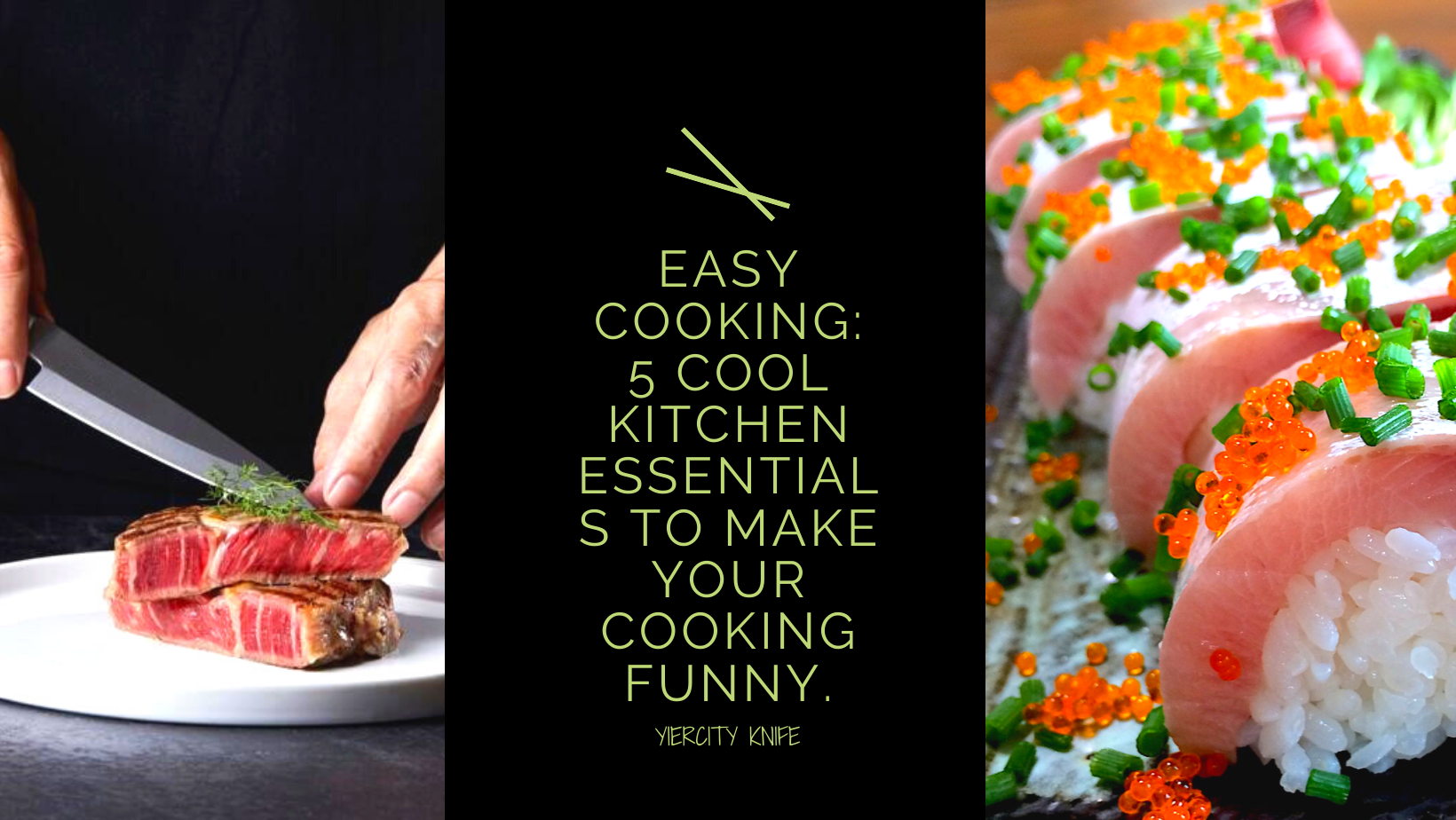
How to make daily kitchen cooking fun?
Too many times we have been attracted by selfless commercials or QVC specials, and we have received products that are far from its numerous promises.
To save your time and money, we screened the fluff and found some cool kitchen products that will actually come in handy.
In addition, all of these are less than $20-so there is no need to splurge.
From cast iron pan scrapers to snap-on filters, these everyday items are so important that you will want to know how you live without them.
Even if you are not dining outdoors, you can still enjoy a delicious barbecue.6.

At just over three years old, we ask the question… is the JBL Charge 3 still a contender or well past it’s prime?The previous Charge 2 was splash proof but JBL took it a step further with the Charge 3.
It’s cylindrical and also has exposed bass radiators on either end which definitely helps push out some sound.JBL have become one of the most trusted names in the Bluetooth speaker market.
Well, the JBL Charge 3 ticks all those boxes and more.
A tough woven fabric mesh is now the main material, lending the speaker a more contemporary look.
That is especially handy for those of you who enjoy traveling.FeaturesThe Charge 3 is also waterproof down to one meter for thirty minutes!
And unlike many new speakers this guy floats which is another extremely strong move.