



Public Safety DAS Systems, or Distributed Antenna Systems play a major role behind the safety of people during emergencies. This is a wireless radio system, which can provide radio signals to the first responders during an emergency situation. We often see how numerous large-scale organizations have these installed in their buildings to ensure the safety of people as well.
Why do people install Public Safety DAS Systems?
Whether they're responding to a public or private company, keeping people safe is a major responsibility for first responders. You should be prepared for every sort of emergency, regardless of the type of property you manage. Installing a public safety distributed antenna system (DAS) across your facility is one method to do so. Understanding how public safety DAS systems function and what is necessary to maintain them operational is critical.
How does a Public Safety DAS system differ from a cellular DAS system
The primary distinction between a public safety DAS and a cellular DAS is that the former amplifies radio signals while the latter boosts cell signals. You should incorporate an Emergency Responder Radio Coverage System (ERRCS) when installing a cellular DAS in your building. First responders generally communicate via two-way radios, and by installing a public safety DAS, you may improve their communications—and the safety of the people within your facility.
Getting a Public Safety DAS System installed
If you are impressed with the functionality of a Public Safety DAS System, you will come across the need to get a one installed. Here are the factors that you need to be mindful about during the installation.
- System coverage
Because a Public Safety DAS system is wireless and relies on radio frequencies, having enough coverage is critical. The NFPA stipulates that important areas, such as basements, stairwells, and parking garages, must have 99 percent coverage, while general use spaces, such as offices, conference rooms, and common areas, must have 90 percent coverage. You'll also want to make sure you include the radio frequencies utilized by first responders in your region.
You should also talk to your local fire marshal or other Authority Having Jurisdiction to figure out which frequencies to amplify with your Public Safety DAS system. Different radio frequencies exist in different areas, and varied types of structures have different requirements.
- Getting a NEMA 4 Enclosure
If you’re building ever has a fire, there will be several hoses aiming at it. Safety professionals cannot communicate with each other if sensitive radio equipment becomes wet; otherwise, their performance suffers, and individual responders' safety is jeopardized.
The National Electrical Manufacturers Association must approve radio equipment enclosures for this reason (NEMA). NEMA 4 compliant enclosures can resist “65 GPM of water from a one-inch nozzle delivered from a distance not less than 10 feet for five minutes,” according to the NEMA. During an emergency, Public Safety DAS systems must work consistently, and NEMA 4 enclosures assist to keep critical equipment operational.
- Have a backup battery as well
During an emergency, the electricity to a structure frequently fails or is purposefully turned off to shield rescuers from further risks. This is why the NFPA mandates that the Public Safety DAS be equipped with a battery that will allow it to operate for at least 24 hours. The installers evaluate your facilities before installing your Public Safety DAS system to ensure that the correct battery is installed.
While keeping these facts in mind, you will be able to go ahead and get a get the public safety DAS System installed. It will help you to ensure the safety and protection of tenants without a struggle.
For more information, visit Digitechx

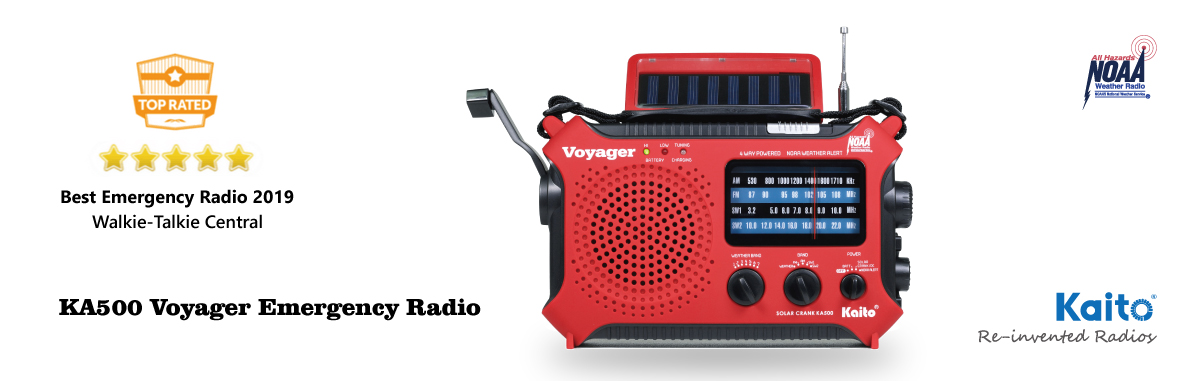
Be prepared for an emergency by getting the premium emergency radios at Emergency Radio Supply.
We at Emergency radio supply offers a wide range of radios which includes NOAA weather radio, emergency radio, etc.
All the products available at our outlet come with a warranty of one year.
Moreover, we provide a number of easy ways to place an order.
For products information, visit us at https://emergencyradiosupply.com/