






Over 13 high severity Vulnerabilities in multiple F5 Products, including one that could lead to complete system takeover, and hence, it is “critical” for customers in “especially sensitive sectors. This Critical vulnerability is tracked as CVE-2021-23031, an attacker can exploit this vulnerability, and access to the Configuration utility can execute arbitrary system commands, create or delete files and disable service. The issue could allow an attacker to completely compromise the network device.
Besides the critical CVE-2021-23031, the dozen high-severity vulnerabilities exist in the same vendor, include DOM-based Cross-site scripting (XSS) and request forgery (CSRF), Remote command execution, Server-Side Request Forgery (SSRF), and Denial-of-service
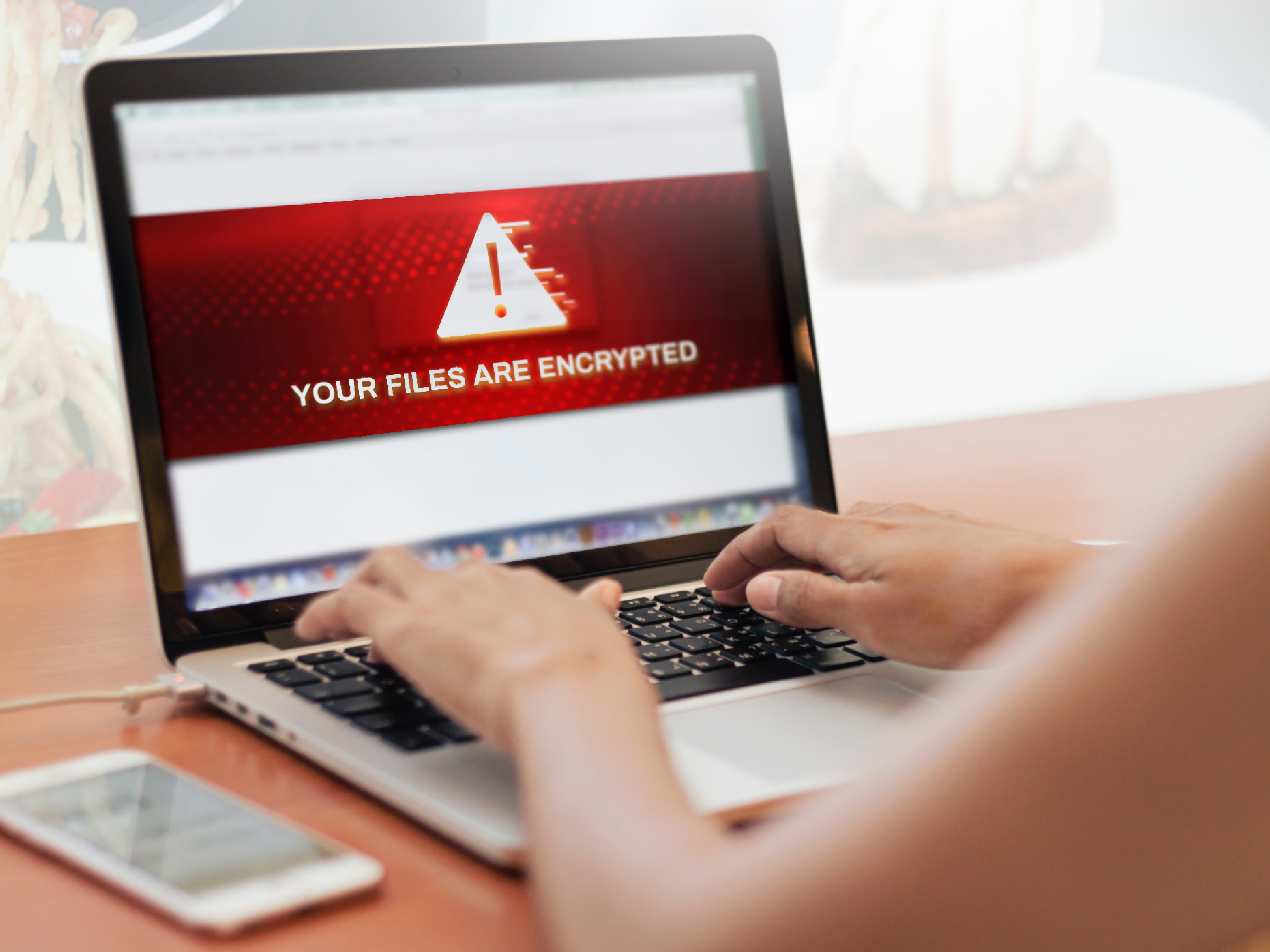
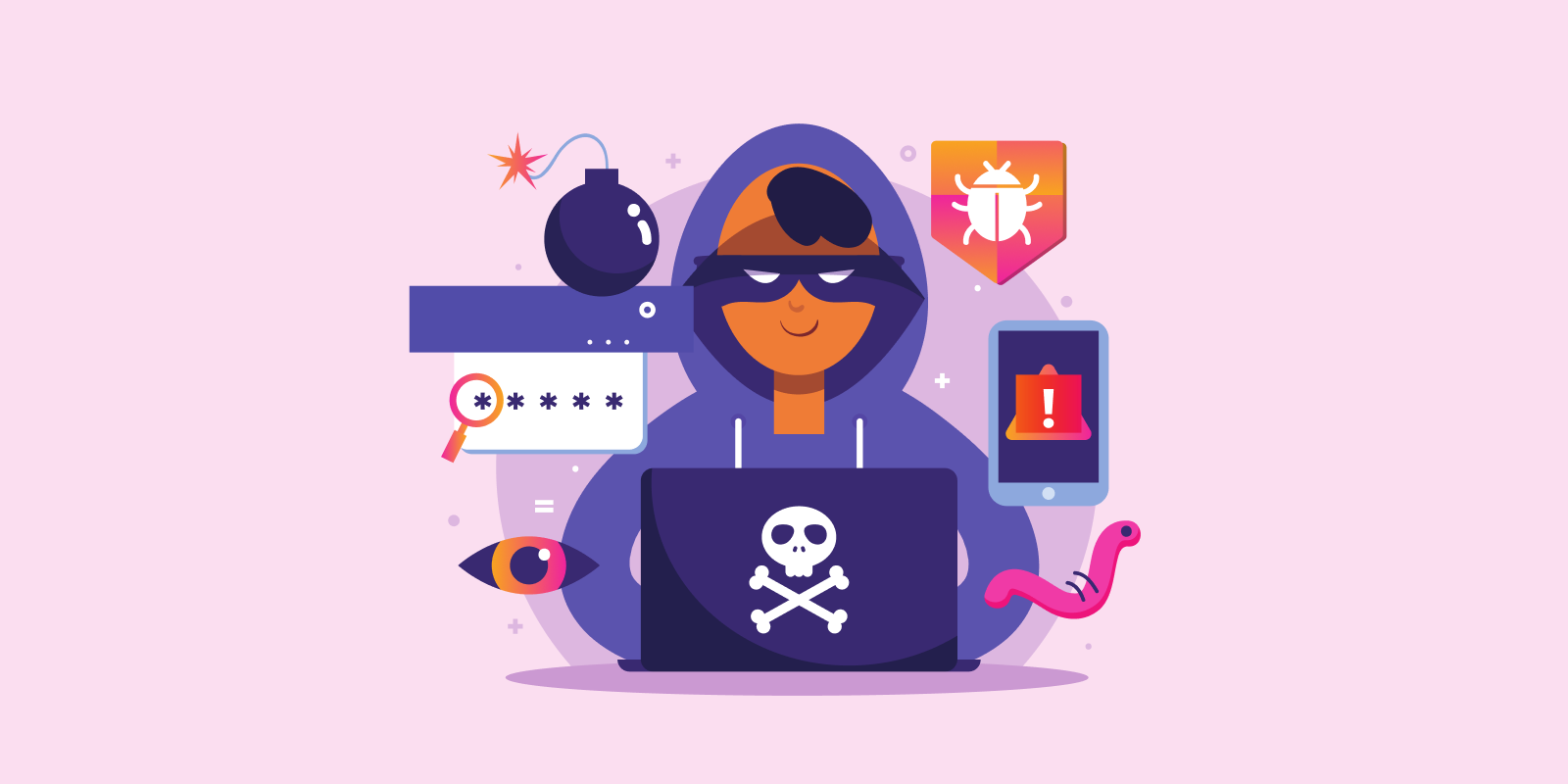
Data privacy and protection are two imperative aspects for all businesses today as they could be prone to security breaches.
Many small and medium organisations tend to ignore application security as they believe only large enterprises are targeted by hackers.
However, statistics tell a different story, 43% of cybercrimes happen against small businesses.There are several reasons behind a cyber-attack against these organisations’; from old, unpatched security vulnerabilities to malware or human errors which make take them a lucrative target for attackers.
This indicates that businesses need to implement security best practices to protect their applications and assets from future threats.There are several security standards and online communities such as OWASP and NIST who work hard to produce freely available articles, methodologies, tools and documentation that can help organisations strengthen their IT environment and safeguard from security breaches.To support with facts, here are some chilling stats that will give an idea of how these cyber security threats impact an enterprise:If we talk about the current scenario, data breaches exposed 36 billion records in the first half of 2020.86% of cyber security breaches are financially motivated and 10% are motivated by espionage.Looking at the categorisation, 45% of the breaches feature hacking, 17% include malware, and phishing is involved in 22%.One of the biggest reasons for such attacks is the accessibility of files to every employee on a large scale.
The million-dollar question is, what can organisations do to keep attackers away from compromising sensitive and confidential information?The answer to this question is simple – Proactive Cyber Security Strategy to protect organisation’s assets such as web applications, information systems and servers.In this blog, we will list and discuss the top 5 web application security threats, and then some of the best security practices to protect your web applications against evolving cyber threats.TOP 5 SECURITY THREATS ASSOCIATED WITH WEB APPLICATIONS1.
INJECTION FLAWSInjections flaws allow an attacker to insert malicious code in another system such as interpreter using an application.

Teleworking during the COVID-19 outbreak creates many challenges and risks.
PamTen is here to assist you and your company make it through these unprecedented times.While teleworking during the Coronavirus outbreak can help slow the spread of the virus, it introduces many challenges and risks.
We at PamTen want you to know that we are here to assist you and your company make it through these unprecedented times.
We are all in this together!
Please feel free to contact us with any technology questions you may have.