


The medical packaging industry is one of the many, many industries that has been deeply affected by the COVID-19 pandemic. When the pandemic hit in the beginning of 2020, many manufacturers had to enact shutdowns in order to try and protect the health and safety of both the workforce and the general population. As a result, supply chains became backed up, and raw materials became difficult to obtain. In the medical packaging industry, these problems were exacerbated by an increased demand for their product.
As a result of the pandemic, the medical packaging industry suffered from supply chain breakdowns, lack of access to raw materials, and operating issues, as it became dangerous to have people working in person. None of these particular issues were unique to the medical packaging industry. However, the fact that medical packaging is intrinsically related to public health was definitely a unique issue.
As COVID-19 spread, and more people became sick, demand for certain drugs and medical devices increased. When demand for drugs and medical devices increases, so does demand for medical packaging. So, in addition to dealing with the supply shortages and production issues being faced by nearly every industry, medical packaging companies had to attempt to respond to the higher need for their products with fewer resources than usual.
The need for medical packaging increased even further when COVID-19 vaccines started to be approved. In order to be distributed, the vaccines needed to be packaged. The medical packaging shortage hamstrung distribution operations, which may have contributed to prolonging the pandemic.
The continuation of the pandemic has kept the medical packaging company under immense strain. The COVID-19 pandemic and the medical packaging shortage have a cyclical relationship; each affects and is affected by the other. The longer the pandemic lasts, the longer the packaging shortage will last, and in all likelihood, the longer the packaging shortage lasts, the longer the pandemic will last.
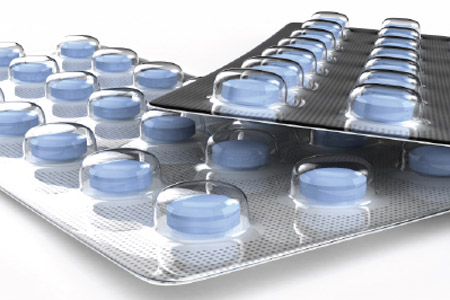
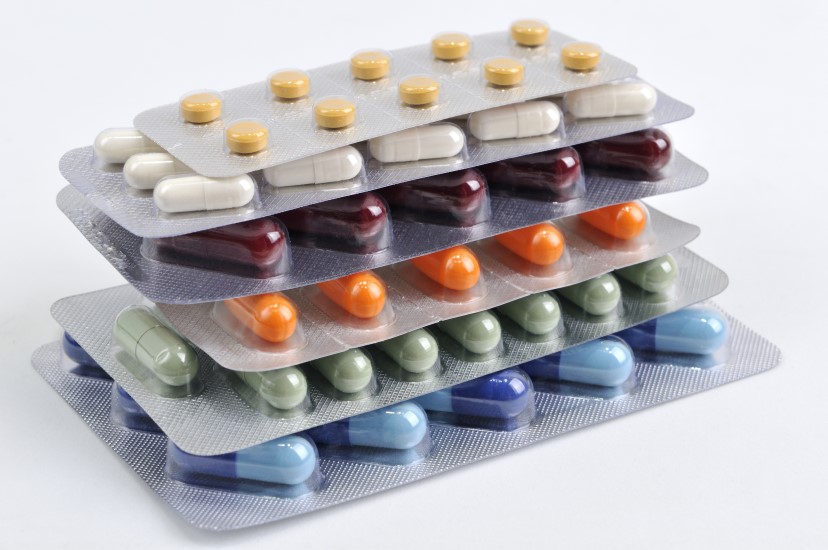
If you have ever taken an over the counter allergy medication, an oral contraceptive, a generic sleep aid, or any of many, many other pharmaceutical products, you have definitely seen and used pharmaceutical blister packaging.
Pharmaceutical blister packaging consists of two main parts: a plastic front with individual pill pockets molded into it, and a flat piece of backing, likely made of some type of cardboard or foil.
Each pill rests in its own individual pocket, held between the plastic bubble and the foil or cardboard backing, and separated from the rest of the pills.
If you have ever taken medication that came in pharmaceutical blister packaging (and you almost certainly have if you live in the United States), you may have noticed that it can take some effort to get your pill out of its pocket.
You may have even wondered why a company would choose to use such involved packaging.
Well, there are actually multiple reasons pharmaceutical blister packaging is so popular.