Manufacturing industrial components are required to go through several testing. The most common types are vacuum testing and pressure testing.
These tests are performed to test the integrity of the product. For example, several mechanical industries use hydrostatic testing and pneumatic pipe testing for pressure testing.
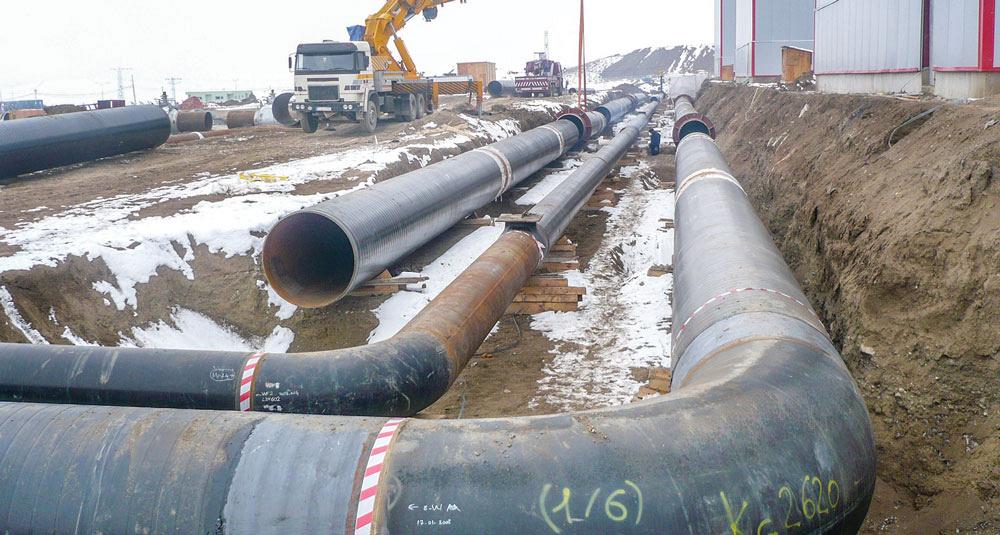
Products like pipelines and storage vessels need to undergo pressure tests like hydrostatic testing to check if they meet relevant industrial safety standards. If the products do not go through these tests, they can put the user at potential risk, and the manufacturers may face a lawsuit.
What Is Hydrostatic Testing?
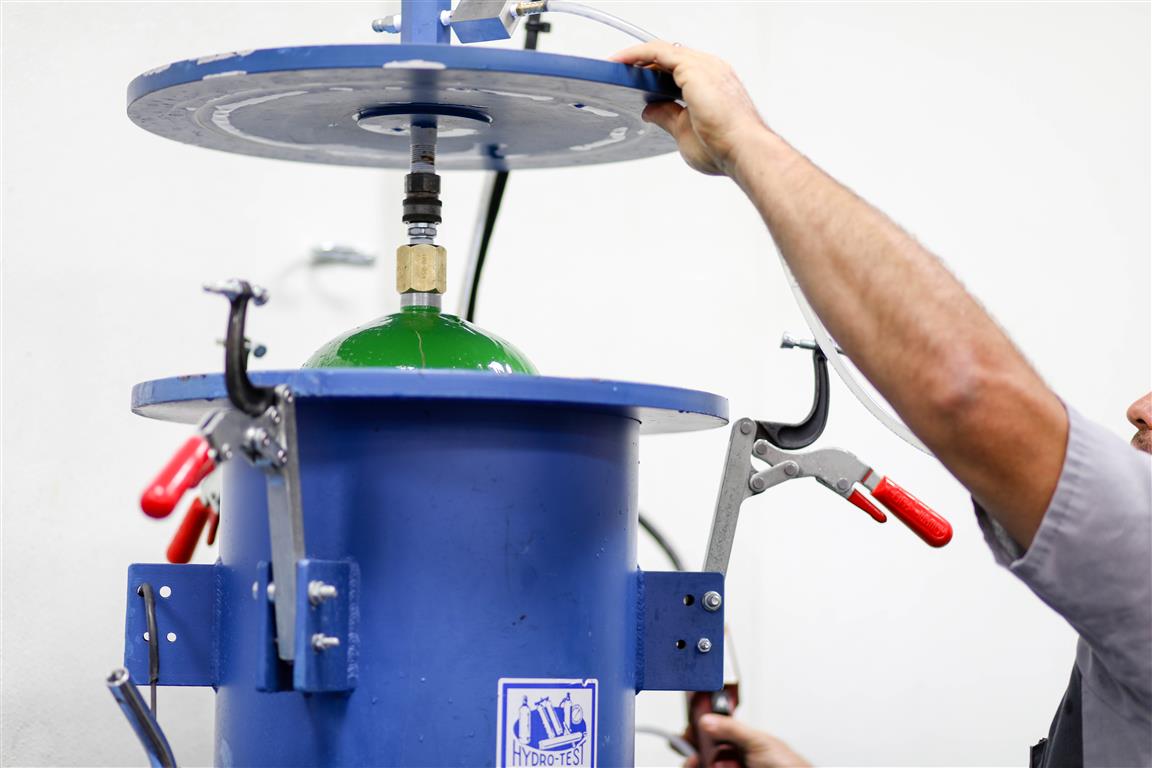
Hydrostatic testing is one of the pressure testing processes that involves inspecting equipment products such as gas cylinders, storage tanks, fire extinguishing cylinders, and chemical pipelines. It is done using a hydrostatic tester to examine the equipment for potential leaks and the overall quality and integrity of the manufactured units.
The tube’s rate of expansion is measured underwater pressure with the hydrostatic tester. This ultimately helps the manufacturer to determine whether the unit can sustain extreme stress. They can also detect any leak that might surface at a specific pressure.
How Does Hydrostatic Testing Work?
A fluid at high pressure is injected into the unit to start with the process of pressure testing. The liquid used is often water. You can choose other fluids too as per the process needs. The component is filled with the liquid until it reaches a certain level of pressure.
Then a more significant amount of pressure is applied to the equipment. This condition is held for a specific timeframe and used to examine the equipment for leaks.
A fluorescent dye or similar substance is mixed with the liquid and used to detect leaks easily. Thus, the inspector can efficiently analyze each unit for any seepages if necessary.
What Is The Purpose Of Hydrostatic Testing
As mentioned above, hydrostatic testing is used to inspect and ensure the quality and integrity of a product that’s manufactured, rebuilt, or repaired. This is done before handing over the product to the user to return to service.
The everyday use of this test is for products that require testing under high pressure, such as stainless steel canisters tested by the Department of Transportation (DOT). Of course, you’ll need to meet the specifications of DOT for a product to be set for use.
Once the test is performed on a product or equipment, it’s guaranteed leakproof. This ensures that the product or piece of equipment can be put into service without threatening anyone’s safety. In addition, it can help users avoid a disaster or fatal accident.
Conclusion
Hydrostatic testing is proven to test pressure vessels that DOT uses, such as plumbing, pipelines, and chemical cylinders, for potential leaks. It is vital to detect these leaks as they can lead to rupturing the container and avoiding disasters. In addition, the manufacturers can effectively discard faulty products that aren’t fit for use.