

Tourmaline is the alternate birthstone for October, along with the opal. The stone was first discovered by Dutch traders off the West Coast of Italy in the late 1600's or early 1700's. The name tourmaline comes from the Sinhalese term “turmali ,” which the name was given to all colored crystals on the island of Sri Lanka at that time. This all inclusive name indicates the inability of ancient gem dealers to differentiate tourmaline from other stones. In fact, at one time in history, pink and red tourmaline was thought to be rubies. Pink tourmaline tends to be pinker in color than ruby. However, their similarities in appearance are so strong that the stones in the Russian crown jewels believed to be rubies for centuries, are now thought to be tourmalines .
The Chinese have engraved and carved figures with tourmaline for many centuries, and ancient examples are still displayed in museums, a testament to the durability of the stone. You may recall seeing intricately carved Chinese snuff bottles made from pink tourmaline .
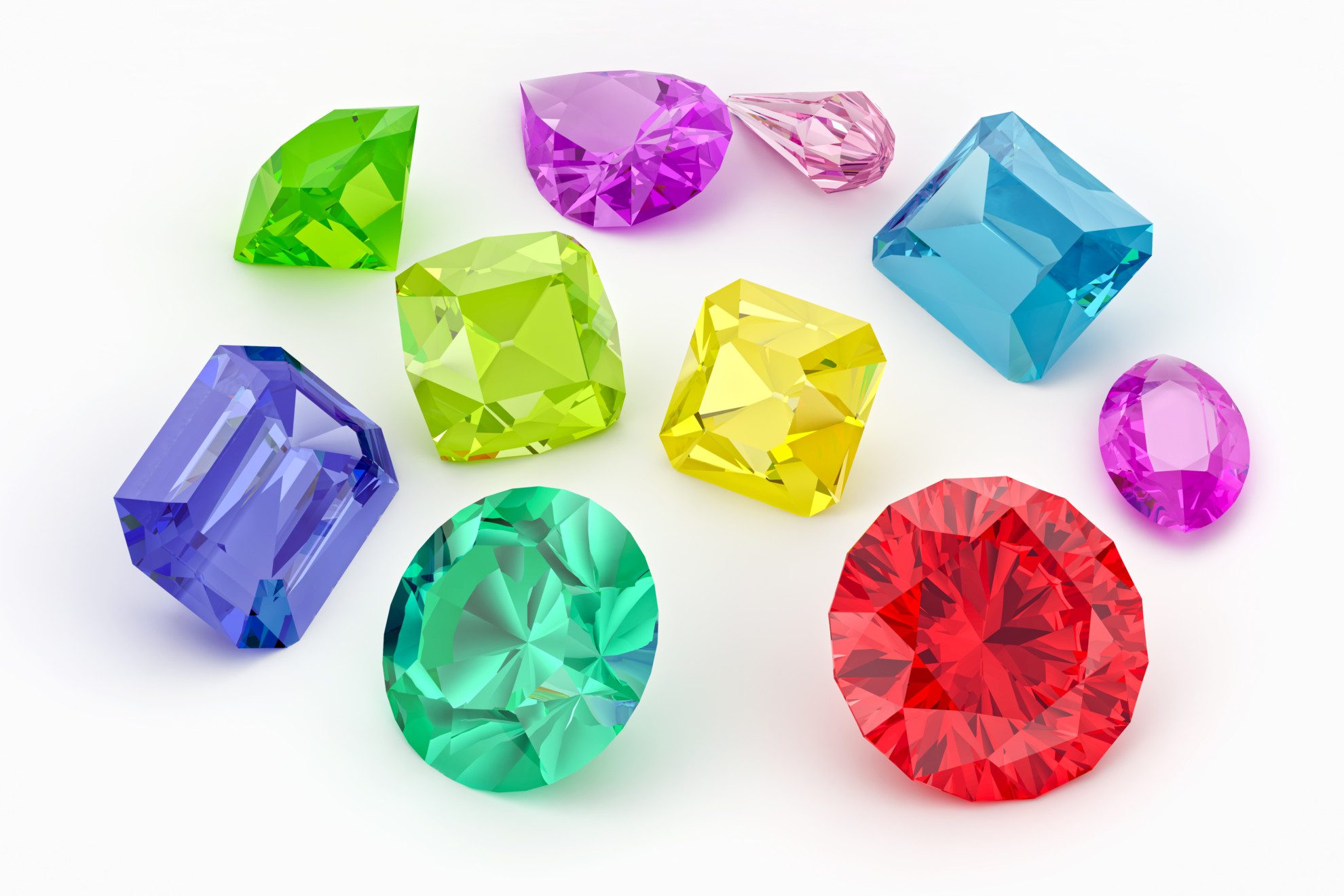
Tourmaline is a complex silicate that contains boron. It displays a greater range of colors than any other gemstone . In fact, it comes in every color of the spectrum. Each different colored stone has a different name. Pink tourmaline is also known as “rubellite ,” which is the Latin word for red. At one point in time, there was a different name for each color of tourmaline , but now they are all generally referred to as tourmaline , only with the color’s name added as a prefix.
Tourmaline has a very complex molecular structure. Its chemistry has been described by John Ruskin as being “more like a doctor’s prescription than the making of a reputable mineral.” It is a high pressure, high temperature material. Many tourmalinecrystals exhibit polarity- the color, electrical properties and the crystal forms are different at either end of the crystal.
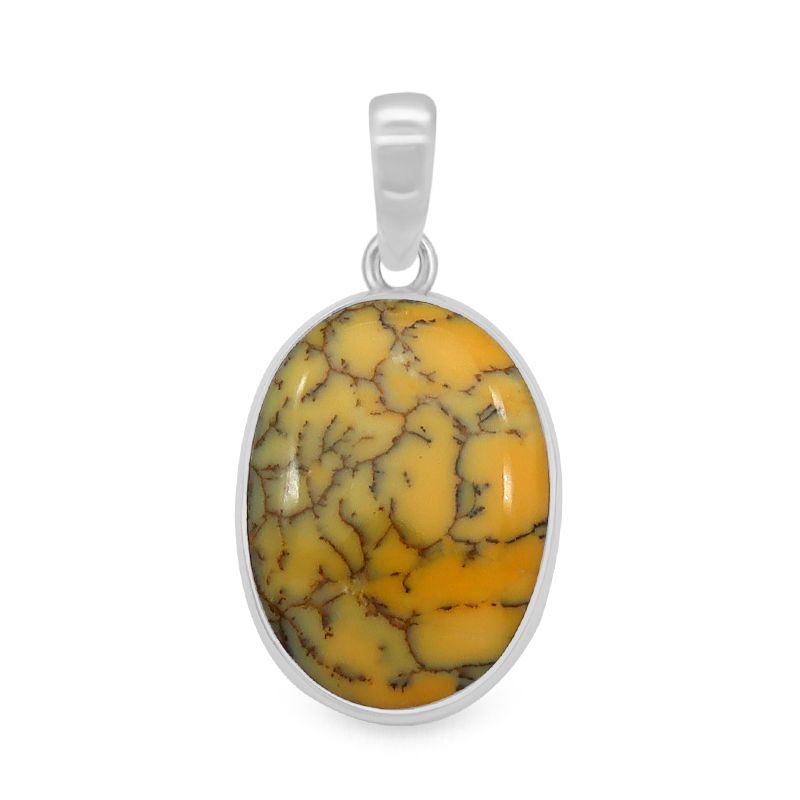
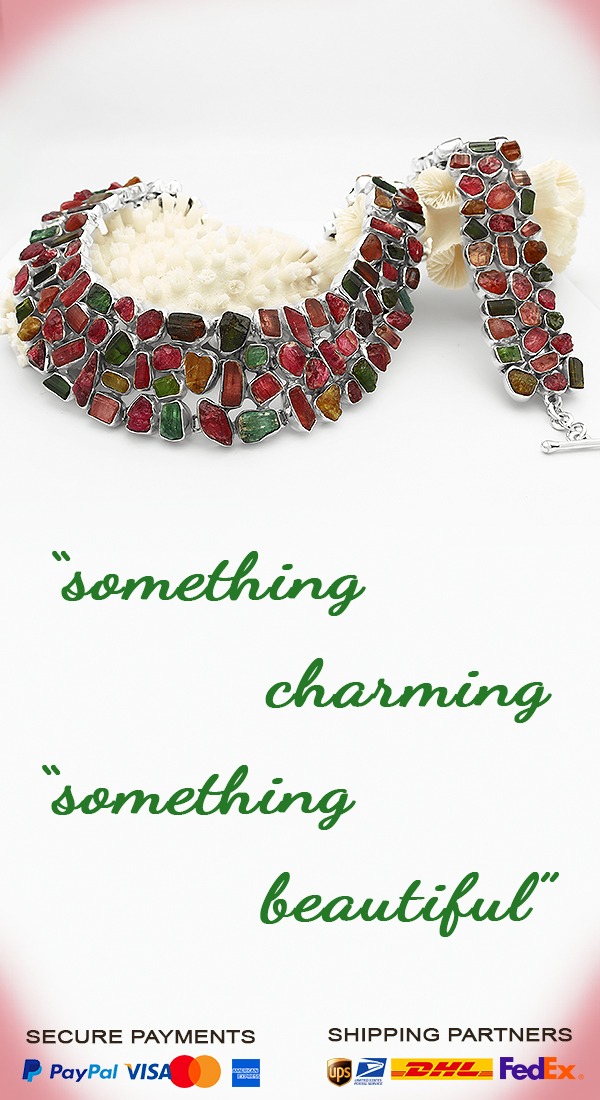
The term Tourmaline is derived from the Sinhalese words 'tura mali' meaning 'a stone with mixed colors'.
Being dichroic, Tourmaline also has the ability to subtly shift its color depending on the light source as it changes from natural to artificial.Tourmaline producers include Brazil, Pakistan, Russia, Burma, Sri Lanka and the USA.
In Africa, the main producers are Congo, Madagascar, Namibia, Mozambique, Tanzania, Nigeria, Malawi and most recently Kenya.Tourmaline JewelryA favorite among jewelry designers due to its amazing wide color range, durability , availability and affordability.
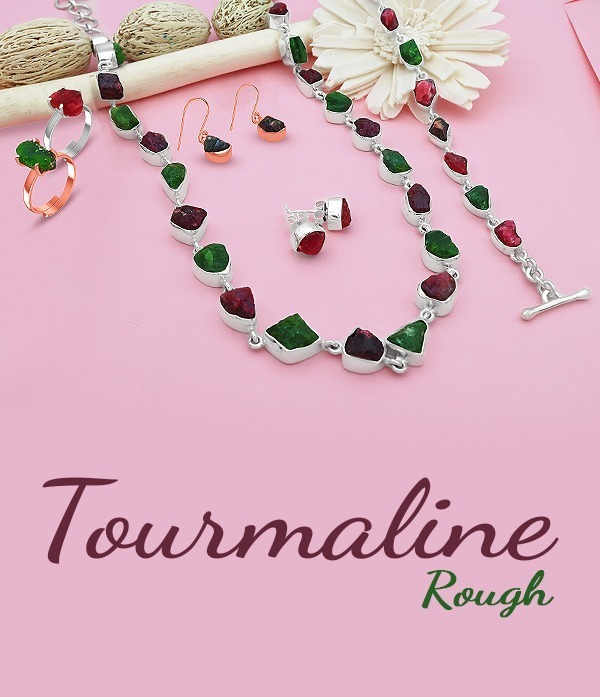
Tourmaline can be made into all forms of jewelry and can be set in all jewelry metal types.
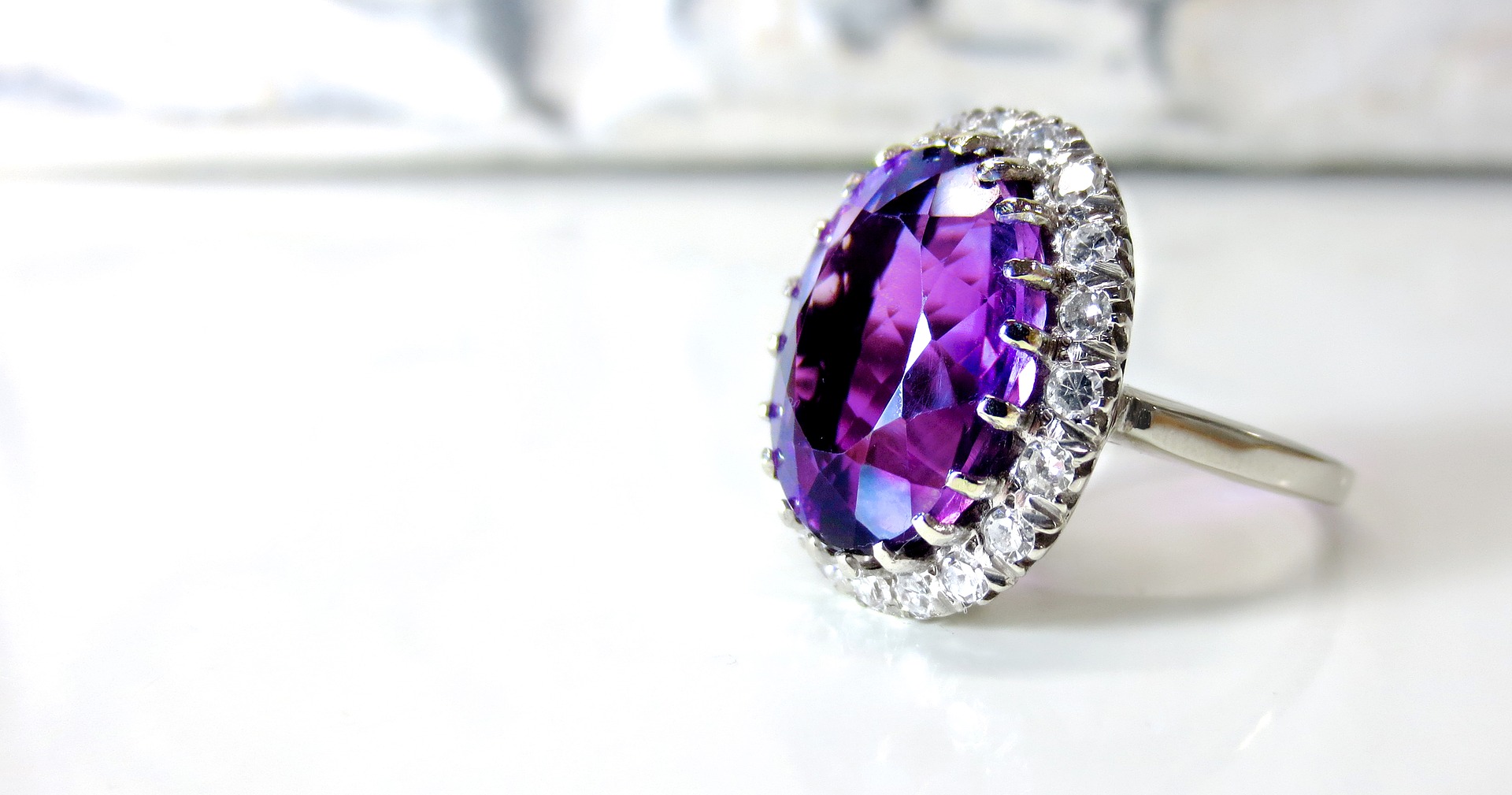
Due to the huge range of colors and hues any number of color combinations and styles can be created and as with all gemstones, they look stunning set with Diamonds