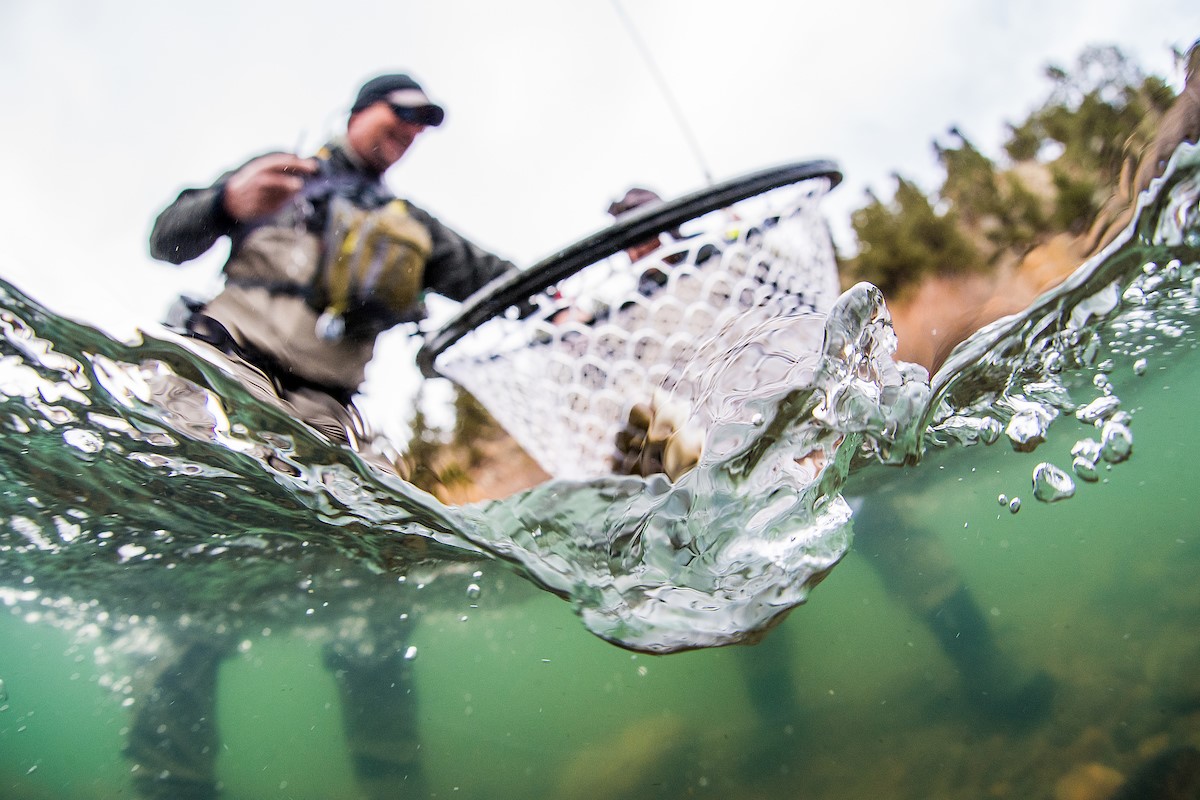
fly fishing
Fly fishing is one of the most peaceful and satisfying sports on the water. With rhythmic casts and natural surroundings, it doesn't get much better than an afternoon on the river.
If you're picking up fly-fishing, you need to know a few basic cast techniques and how to tell what the fish are eating. Here are five tips for beginning fly-fishers.
- LEARN A BASIC FLY CAST
The foundation for all fly casting moves is called a basic fly cast. To accomplish this cast, you'll start with your rod tip pointing down and your line laid out on the water in front of you.
Smoothly accelerate from this position until your rod tip is behind you, and then pause to let the line unfurl behind you. Then accelerate forward to cast the line in front of you.
- USE A ROLL CAST IN TIGHT SPOTS
Sometimes, you won't have the room to be able to backcast, and so you'll have to use a roll cast to get your lure in the water. You’ll use a roll cast if the river is bordered by a dense tree line with overhanging branches. If you try a basic fly cast in that environment, you'll get hung up in the bushes.
To roll cast, flick your rod tip up, but let your line hang down by the side of the rod. You should be able to see the shape of a capital "D" in your peripheral vision, with the rod as the straight part and the line making the belly of the letter. Once you see that shape in your periphery, cast your line forward.
To repeat this cast, pull the rod back so the line drags on top of the water, and let it hang next to you again before repeating the motion.
- FIND A DEEP WATER POOL
If you’re lake trout fishing and you want to fish the deep water pools that the larger trout like to frequent, your fly will have to be heavy enough to drift to the bottom of the pool. Trout love to hang out near the river bottom where their baitfish and larva prey live.
Use a heavy fly or add weight to the lure with a split shot. Ideally, you want your fly skipping along the river bed bottom. You can tell your fly is getting to your desired depth if you periodically get hung up underwater and have to yank your fly free.
If your fly is drifting freely through the water, it may not be deep enough, and you will want to add more weight to the fly to reach your desired depth. Conversely, if you're getting hung up too often, you may need to lighten the fly.



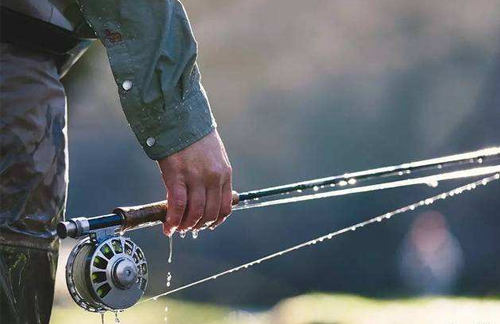
Youth fly fishing gradually becomes the hottest topic among teenagers because for them, exciting and challenging outdoor activities are attracting.
At the same time, parents are happy to see their children do some outdoor sports for these activities, such as fly fishing, could keep the youth healthy and robust.
Today the editor is going to share the rules of youth fly fishing.PatienceMaybe many parents and fly fishing teachers are wondering that whether there is a right age for the young people to learn fly fishing.
Actually, the answer relies on the youth themselves.
In youth fly fishing, the most essential skill they should learn is to be patient.
Let the fish and the water tell you where to go and what to do.PracticeThe most practical and effective way to learn a new thing is to let learners be involved in the actual practice.