


Archana Hospitals

0

0

1


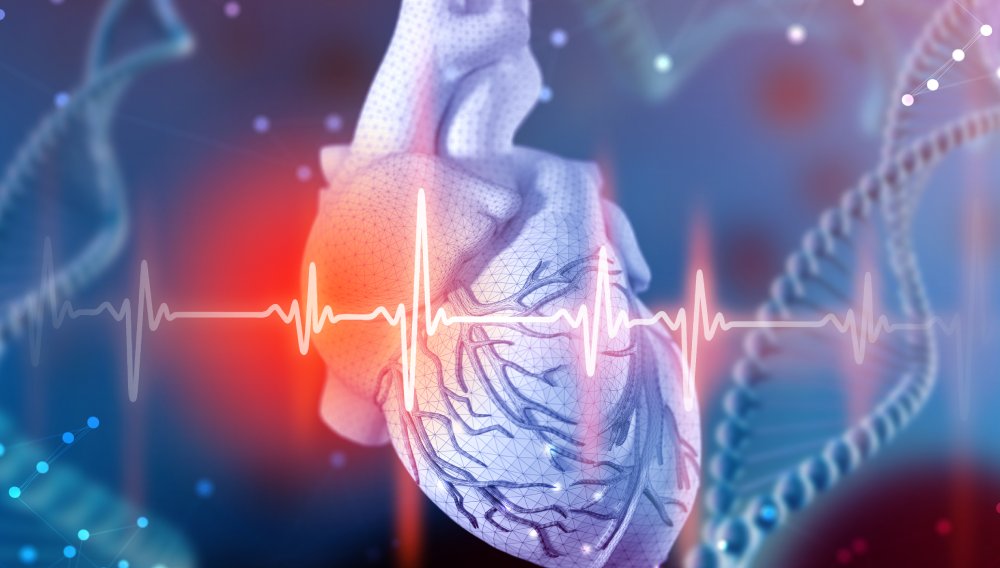
Cardiology Department offers diagnostic procedures and treatment in primary and secondary prevention to minimize possible cardiovascular risk for minor and major events.
The service comprises outpatient facilities, inpatient provision and a comprehensive range of non-invasive and invasive investigational facilities. Archana hospitals cardiology department also has a state-of-the-art cardiac catheterization laboratory.
TREATMENT / AREAS OF EXCELLENCE
- Angiogram and Angioplasty
- ECG, Holter ECG for 24 – 48 hours, Treadmill stress ECG as diagnostic approach for coronary heart diseases, palpitation and arrhythmias
- Echo, Doppler, color flow and tissue Doppler imaging in valuator and heart muscle related diseases
- Carotid Doppler with pulse and color flow Doppler and IMT measurement to evaluate vessel changes which might lead to stroke.
- Pacemakers Temporary and permanent.
- Bypass Surgeries permanent.
0
0
1
Archana Hospitals
From the Author
Related Articles
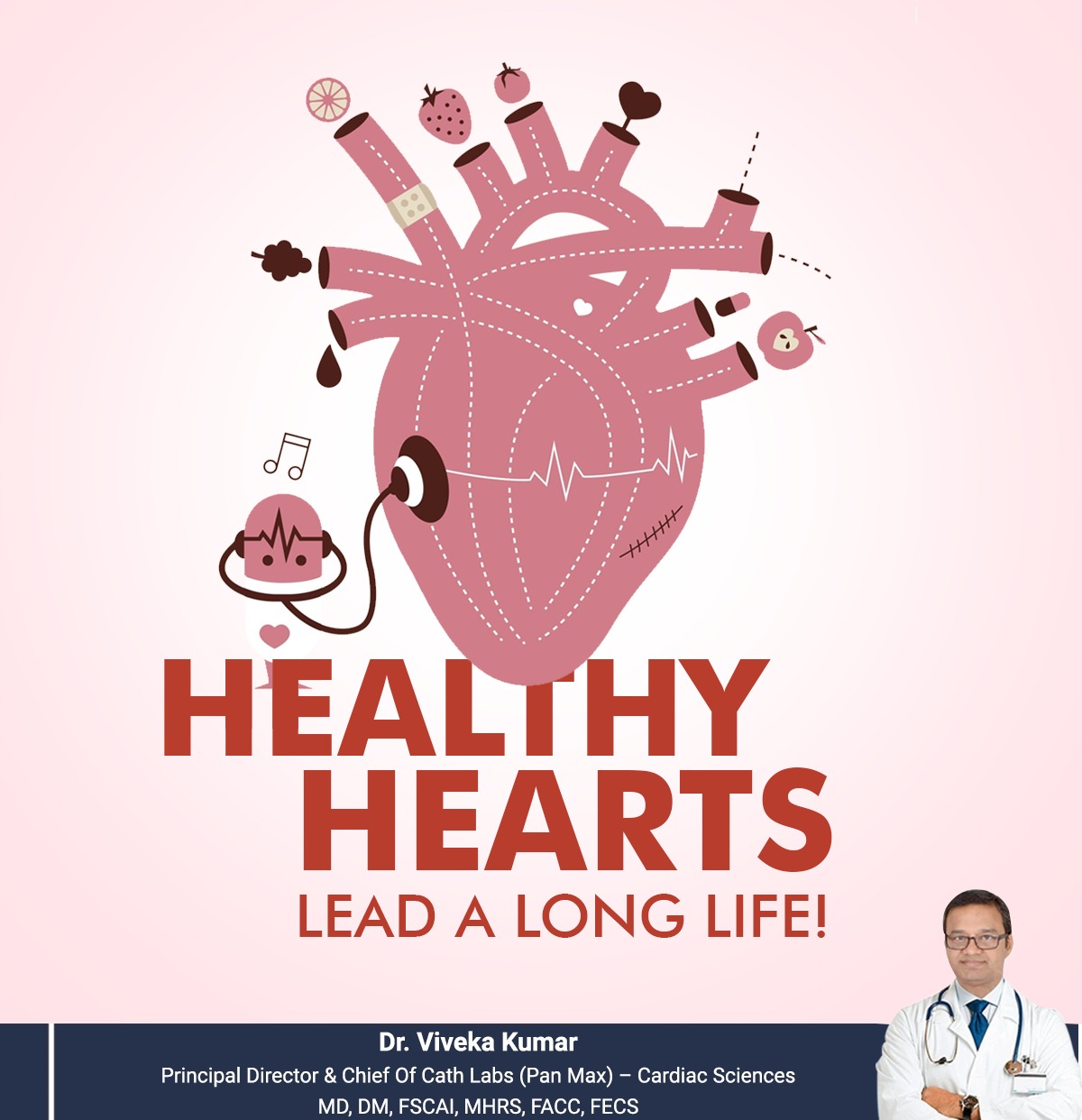
Here are some tips on how to help you improve your cholesterol: • Eat a Healthy Diet: Eating a healthy diet is crucial to lowering cholesterol. Some foods, such as fish and nuts, may improve cholesterol levels directly, while other foods, like whole grains, provide fiber that helps lower low-density lipoprotein (LDL) levels. Avoiding foods that are high in saturated fat, trans fats, and cholesterol is also important for maintaining healthy cholesterol levels. This combination of activities is the best way to maintain cholesterol levels and keep the cardiovascular system running smoothly. If you have high cholesterol, diabetes, or a family history of heart disease, it is recommended that you get your cholesterol levels checked more frequently.
0
2
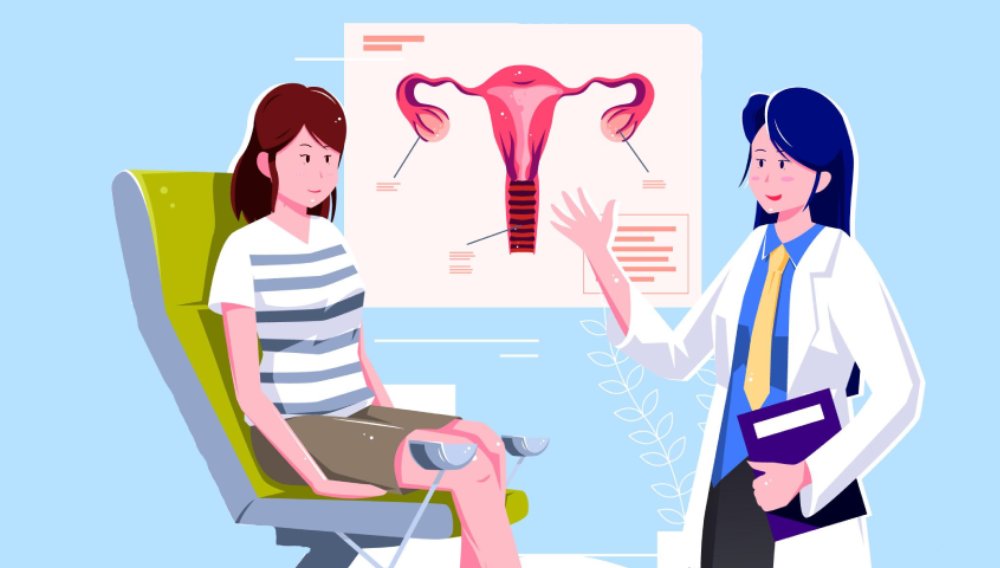
From breast disease, infertility to Urogynecology, gynecologic cancer and minimally invasive treatments, our team is expert in coordinated and supportive treatment of the problems that impact women’s lives. In Obstetrics we provide total ante-natal care, with coordinated and structured packages including regular obstetric ultrasound scans (3D and 4D). We provide the most comfortable, even luxurious environment for the actual delivery in private rooms, with individualized and personalized care. The entire team of specialist Doctors, Nurses and Midwifes has only one goal; to provide the best in a family-focused and warm environment. com/service/gynaecology/
0
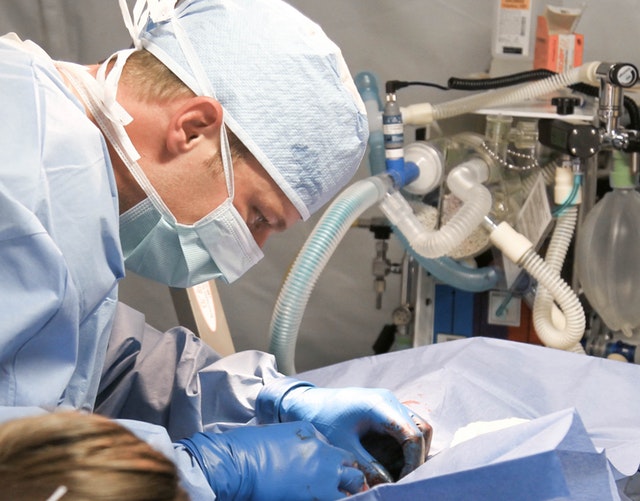
Cardiologists are medical doctors who treat patients having heart and blood vessel-related diseases.A cardiologist engages with the cardiovascular system of the human body treating patients with conditions and diseases such as angina, heart murmurs, cardiomyopathy, edema, arrhythmias, arteritis and congenital heart disease.
Roles and Specialization
There are different sub-specialization of cardiology which includes stroke medicine, interventional cardiology, adult congenital heart disease, cardiac imaging, electrophysiology including ablation and electrical device therapy.
Cardiologists treat patients with holes in the heart, irregular blood movement in the vessel, and pregnant women with this related diseases.
They deal with heart attacks, heart failures or heart rhythm disorders with new therapies often in emergency situations.The primary concern also lies in assessing the health of patients and treatment for quality life after these heart failures and conditions.
Salary
Here is the pay scale for a cardiologist in the UK according to the NHS.This may vary with the private hospitals.
A cardiologist in training would earn in the range of £26,614 in the first foundation year increasing to £30,805 in the second year.If you’re on specialist training your basic starting salary starts at £36,461 and progresses to £46,208.As a cardiology specialist, you’ll earn a basic salary of £37,923 to £70,718.
0
2