


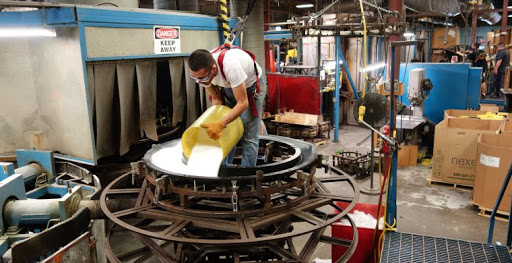
Rotomolding involves filling a mold with material, and slowly rotating it to cause the material to disperse in the mold. The material is shot-weighed, and sticks to the walls of the hollow mold. The material is then poured into the mold, and the process is repeated until all the material is used. After filling the mold, the material is removed from the heated mold and the process is repeated.
The first step is to decide on the proper type of plastic to use. This is important for the final product, as it determines how the part will be used and where it will be stored. The second step is to think about the design, such as a spout or a handle. Some molds are made of a soft plastic, which will be less brittle than others. The last step is to consider the size of the mold and the materials used.
The third step is to check the mold's thickness. Some rotomolding parts will be warped if they are not cut correctly. The radii inside and outside of the mold's corners should be equal to the thickness of the material in that area. The radius inside the corner should never be less than the nominal wall thickness. The final step is to check the quality of the finished product. Make sure you don't use too much force, which could damage the product.
The second step of Plastics Rotomoulding is to select the materials. The first step is to fill the mold. Using the plastic powders is important. Next, the material must be placed in the mold. If the rotomold is too small or too large, the material should be filled with a small amount of water. The final step is to turn it over and remove it. The process of rotomolding is a time-consuming, messy, and labor-intensive process.
The fourth step is to check the quality of the mold. The material should be well-designed. The mold should be made of plastic. You should not use too much plastic. However, you should avoid overfilling the mold to avoid this. This step will make the parts softer. If the plastic is too thick, you will not get the desired results. If the plastic is too thick, you should remove the excess. After that, the plastic should not be overfilled with liquid.
The last step of the process is the finishing step. The last step is the process of removing the mold. The resin is the last step of the process. Then, the plastic should be removed. Finally, the mold should be cooled. The rotomolding process must be completed. The final phase is the last. Once the mold is cool, the part is ready for injection molding. It is the final step of the molding process.

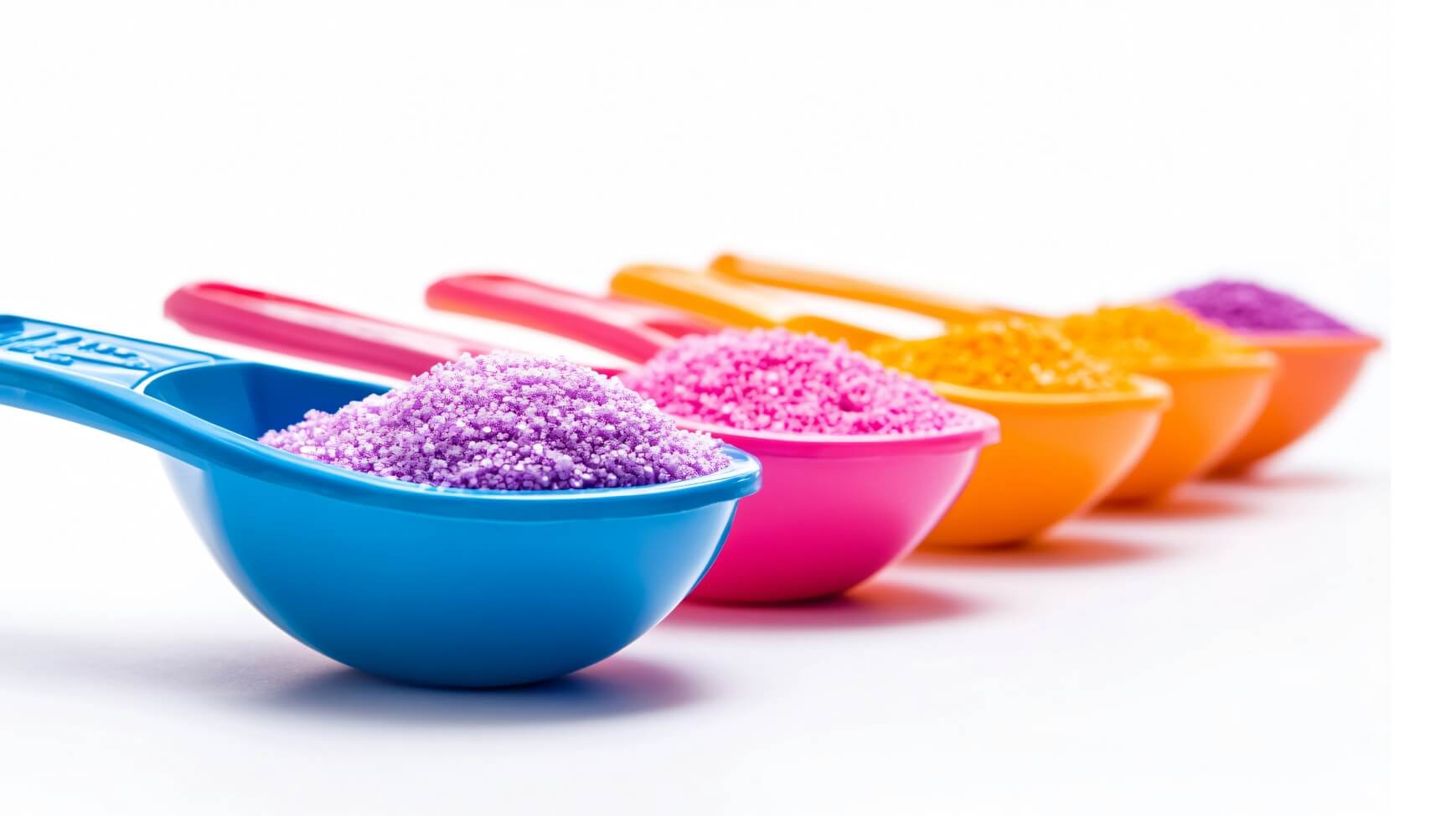
Pacific Polycompounds LLP is recognized among trusted Rotomoulding Powder Manufacturers offering superior-quality polymer compounds for various roto moulding applications. Our products are develope

UV Masterbatch for Agricultural Films - Plastics are sensitive to degradation by UV light and must be consequently protected when exposed to UV solar radiation.
The range and rate of this degradation are determined by various parameters such as climatic conditions, and thickness of the part, polymer type, or the appearance of other additives.
UV Masterbatch for Agricultural Films is a highly effective performance Masterbatch which available with a concentration of 10 % & 20 %They do not absorb harmful UV radiation.Sulphur-resistant 3rd generation UV masterbatches for Agri films, PP/HDPE ropes, etc.
are available.Contains a high-performance HALS TYPE UV stabilizer (HILITE-77) (Based on unique HALS-type active ingredients).Recommended dosage from 1 % to 5 % & PE - Base carrier resin.
It also helps to give perfect UV resistance even in the presence of strong insecticides & Pesticides.Gives longer service life and/or reduced cost.
Applications for UV Masterbatch for Agricultural FilmsUV Masterbatches preserve the polymers against UV-degradation, protect discoloration, and enhances processibility.UV Masterbatches do not absorb the harmful UV radiations, thus guarantees excellent performance and stabilized the mechanical characteristics and elongation.