

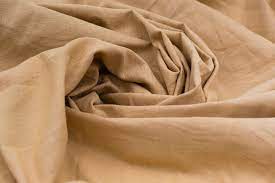
VELVET

Velvet is a type of woven fabric whose threads are distributed evenly in a short dense pile, giving it a very unique soft style. Velvet can also be gotten from other materials like cotton, wool, and other synthetic fabrics.
Advantages of Velvet
1. They act as good resistors to external hazards. Due to the chemical properties possessed by the Velvet material, it can withstand and resist some external hazards like pests chemicals, and alkali substances which can cause damaged material.
2. It is comfortable to put on velvet material. It can provide its user with enough comfort as it appears mostly to be soft and more soothing in warmer weather conditions.
3. It has good airflow and is permeable. Velvet material enables an easy flow of air into the body which reduces sweating and regulates body temperature during hot weather.
4. It does not deform or get wrinkled easily. When velvet materials are washed they barely get squeezed or rumpled because of the chemical properties they possess which enables them to retain their original shape after they are washed.
Disadvantages of Velvet
1. It wears out easily when excessively used. Velvet material loses its texture when placed in constant use as the material loses its chemical properties and it begins to depreciate in its value.
2. It’s more difficult to clean than other materials. This is due to the type of material velvet is and how it is made.
3. It is highly dust absorbent. Due to its design velvet naturally attracts dust and retains them. This type of material won’t be suitable for dusty areas as maintainers are expensive, especially, when dust penetration through the material.
SILK

Silk is a natural protein fiber gotten from silkworms. Some forms which are woven into textiles are those meant for the production of clothing materials. The protein fiber of silk is produced from the silkworm’s cocoon which is mainly composed of fibroin.
Advantages of Silk
1. Silk helps in temperature regulations. Silk can retain heat in cold weather, and also can expel heat during hot weather
2. Silk serves as a natural repellant. Silk can chase away dust mites and is also a natural fungal repellant.
Disadvantages of Silk
1. It is very delicate and difficult to clean. Washing silk is extremely difficult, if not properly cared for it can easily lose its quality.
2. Silk doesn’t retain its color easily. When silk material is washed with active agents like bleach and another washing solvent they tend to lose their color and their
texture. Your silk will start to fade away.
Check out our Pinterest page and more articles on our blog.
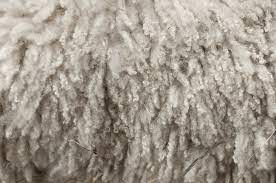


The Global Dyestuff (Black Color) for Textile Fibers Market Research Report - Industry Analysis, Size, Share, Growth, Trends and Forecast Till 2026 gives an evaluation of the market developments based on historical studies and comprehensive research respectively.
The market segments are also provided with an in-depth outlook of the competitive landscape and a listing of the profiled key players.Dyestuff (black color) for textile fibers refers to coloring dyestuff used to impart peculiar black color to fabric materials.
These dyestuffs are coloring materials used to color various fiber materials which include nylon, acrylic and polyester.
Asia Pacific is the leading geography of this market.
Surge in the demand for apparels and growth of agriculture in India is a major factor supporting the growth of Asia Pacific.
North America and Europe are mature markets for this segment expected to show substantial market growth, MEA and Latin America are leading regions expected to show positive growth for the forecast.Browse the complete Global Dyestuff (Black Color) for Textile Fibers Market Research Report – Industry Analysis, Size, Share, Growth, Trends and Forecast Till 2026 @ https://www.decisiondatabases.com/ip/1788-dyestuff-black-color-for-textile-fibers-market-reportKey players in the global dyestuff (black color) for textile fibers market are:BASF SEArkema SADuPontKemiraLanxess AGRockwood Pigments Inc.Kiri Industries LtdSumitomo Chemical Company LtdClariant AGHuntsman CorporationSEGMENTATIONS IN REPORT:Dyestuff (Black Color) For Textile Fibers By ProductPolyesterNylonAcrylicOthers (Including Olefin, Etc.
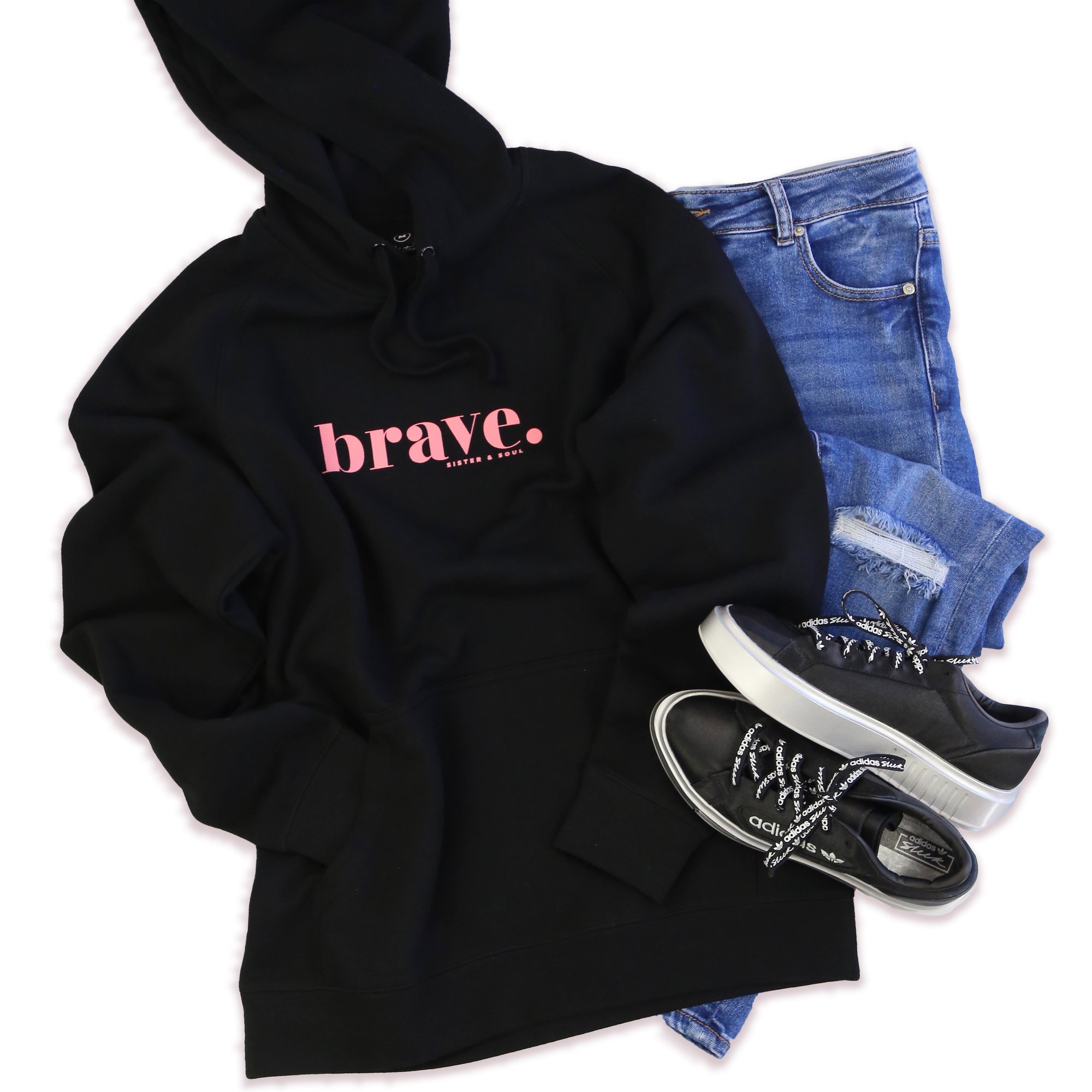
Not only does the brand name matter when you're searching for women's hoodies, but so does the size and style.
You'll find that there are hoodies for all body types, sizes, and shapes.
There is a women's hoodie out there for every shape, and no matter what your body type or size is, you're sure to find the perfect one to fit into your life.
If you are thinking of taking your wardrobe to the next level and adding a bit more flare to it, women's hoodies should be in your thoughts.For more casual women's hoodies there are stylish sweatshirts that look great with jeans or leggings.
Women's hoodies come in so many different materials including corduroy, cotton, acrylic, and polyester.
Most sweatshirts carry the name of a particular company, but the styles are almost always the same and this is how they can afford to launch hundreds of promotional campaigns each year, including women's hoodies and motivational clothing.If you're on the hunt for the latest hoodie styles, you've come to the right place because has a wide selection of hoodies from the hottest brands available today.