





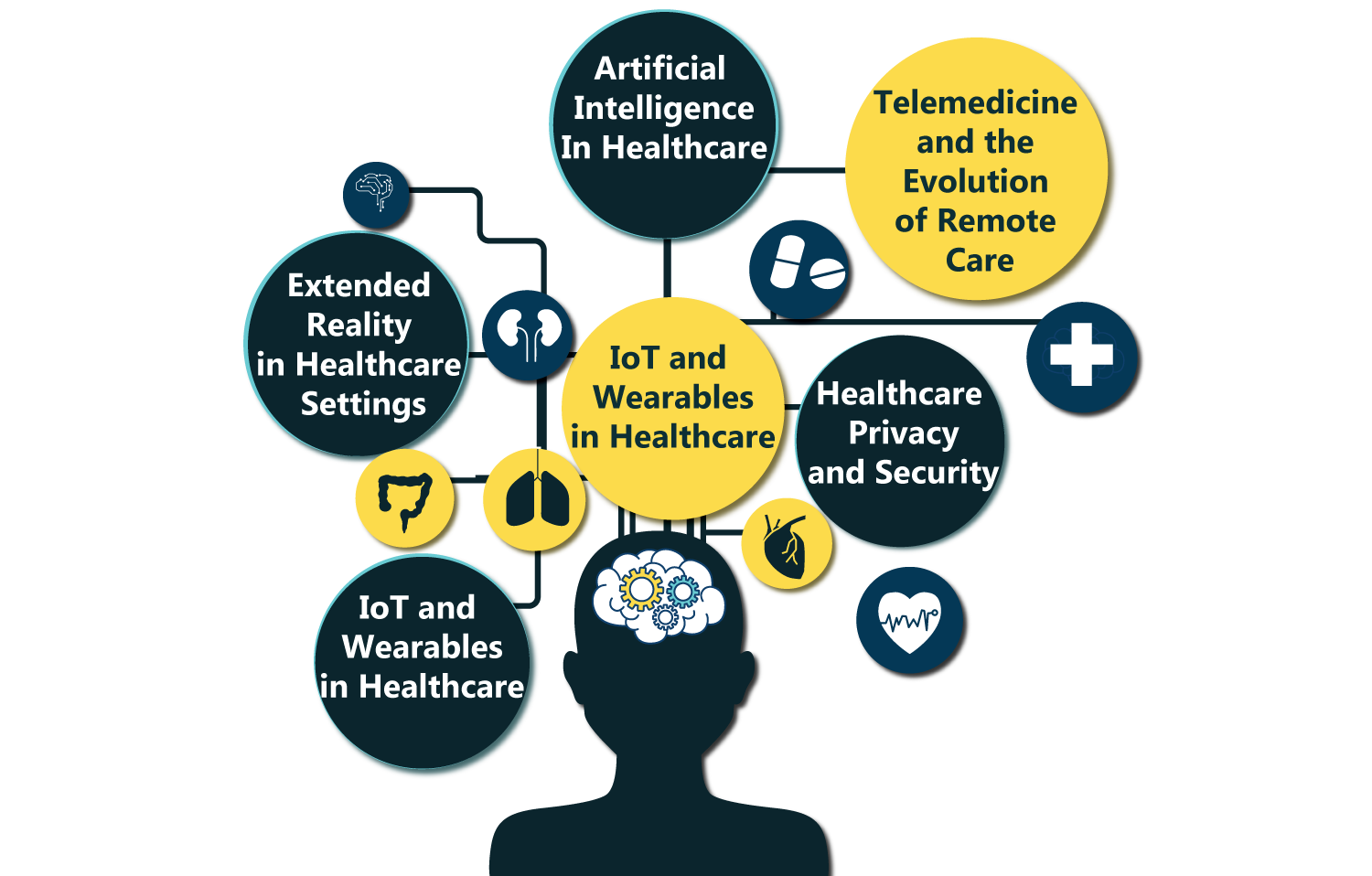
COVID-19 had a great impact on different industries across the world, and they have forever been changed. The healthcare industry especially witnessed drastic changes. However, with the constant advancement in technology and methods necessary to support the high demand for assessing healthcare, the growing digitization of protected health information has helped a lot and evolved the industry in novel ways to deliver exceptional quality of service. As we are moving into the future, it is necessary to stay focused on the healthcare technology trends driving in the industry in 2022. Well, legacy software and infrastructure play a vital role in the success of modern hospitals and care centers. We must focus on evaluating how those systems can integrate with newer technologies or replace them with more reliable systems. The focus should be on improving efficiency, productivity, security, and performance without hampering reliability and accessibility.
Extended Reality in Healthcare Settings
Extended reality is a perfect blend of augmented reality, virtual reality, and mixed reality. It has great potential in the healthcare industry. From aiding surgery to telehealth applications, AR and VR technologies can be a helping hand in improving the healthcare industry.
AUGMENTED REALITY AND MIXED REALITY IN HEALTHCARE
Augmented reality and mixed reality that, in combination, forges useful virtual reality in healthcare. The best example of this combination is Microsoft Hololens 2 by surgeons. This device provides heads-up information to the surgeon while utilizing both of their hands during the procedure.
With such advanced gear, not only are the surgeries enriched but training sessions also get improved. Also, the head-mounted camera on the headset enables other doctors to observe the surgery and offer needed advice. With the rise of AR headsets, we can observe similar applications in the future as well. The more advanced software solutions will expand extended reality use in different types of surgeries into the future.
AR technology is not limited to headsets and operating rooms. It can also be used to aid nurses in finding veins and drawing blood from patients.
You must be aware of the fact that augmented reality development is heavily dependent upon artificial intelligence and specialized sensors to function. No matter your AR development is focused on mobile devices or other hardware devices, appropriate software, and data experts will be a matter of question. AR developers majorly focus on using AI with the software frameworks so that they can target hardware to make more successful products.
METAVERSE: FUTURE OR HYPE?
Facebook’s ambitious project metaverse that is primarily focused on social virtual reality experiences can set a milestone and open gates for a greater possibility of virtual reality in healthcare settings, if vastly overblown.
As of now, virtual reality in healthcare is only being used for training purposes. With virtual reality situations in healthcare, doctors can improve their skills and prepare for operations. Other than this, VR can also be used in treatment as well. A great example of VR in healthcare is the VR therapy being used by the Virtual Reality Medical Centre. It helps those patients suffering from phobias like fear of heights and PTSD.
Meta’s shift toward cartoon-style meetings might support VR therapy in the future, but its effectiveness compared to traditional conferencing is yet to be seen. Other than this, technologies in this sector like spatial audio have great potential to improve telehealth systems by adding a more immersive digital experience.
Blog Source: https://dreamsoft4u.com/blog/healthcare-technology-trends-and-digital-innovations
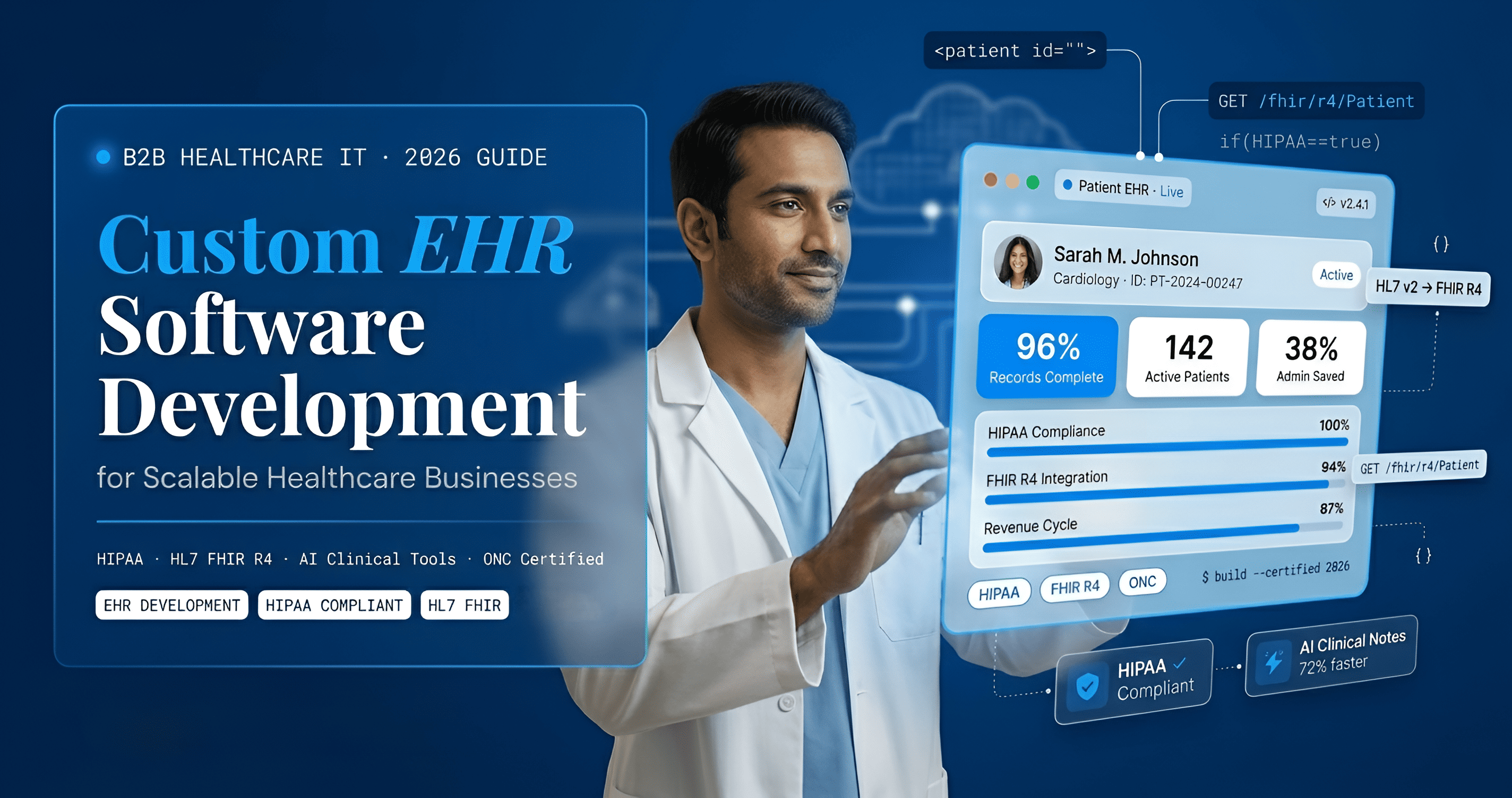


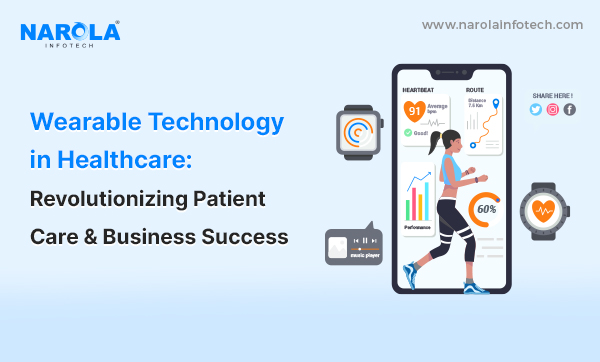

In only a few short years the concept of the smart hospital may become a reality. Technologies like AI, machine learning, cloud solutions and connected devices are increasingly adopted in the healthcare industry changing the way doctors handle everyday challenges. Apple, Samsung, Amazon and other tech giants are investing serious money in the healthcare domain.
Adopting recent tech innovations into helathcare IT solutions can significantly improve patient care, treatment, drug development and help both patients and doctors make more informed decisions.
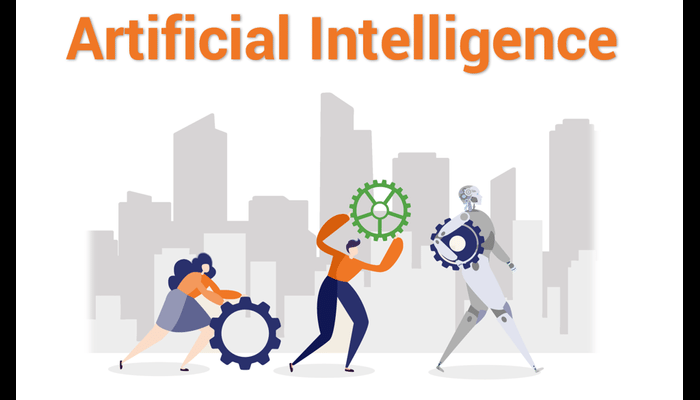
The man-made reasoning business sector is assessed to create an incentive to $191 billion by 2024 with a CAGR of 37%.Man-made brainpower is so far a power.
The limit with respect to machines to choose choices reliant on the justification, data, and information from the past is influencing different ventures.
From self-driving vehicles to chatbots, man-made consciousness is changing the way in which business is done on an overall scale.
We should take a gander at the noteworthy undertakings AI is reclassifying through the improvement and propelled AI.ManufacturingAssembling—vehicle producers explicitly — is in like manner using AI centre around mechanization and improvement.
As you may assume, access to fused data is a key enabling specialist and deterrent.MoneyMan-made brainpower and the fund business go connected at the hip.
Using AI into Financial related structures can help monetary establishments with regulating ventures, viably assemble information progressively, fuse prescient examination into basic leadership procedures, and guide human accomplices in speculation openings.