If, in the olden days, someone told us that the curtains are going to open and close at the switch of a button, let alone a voice command, or the lights can be dimmed or brightened without getting up from one's place or position, then either we would have considered the speaker delusional or be frightened of such a vision. But these things, today have become an important part of our tech-savvy lifestyle.
But have you ever wondered what are those thingsthat are making these “unbelievable” things actually happen. These are IoT, or Internet of Things.
What is IoT:
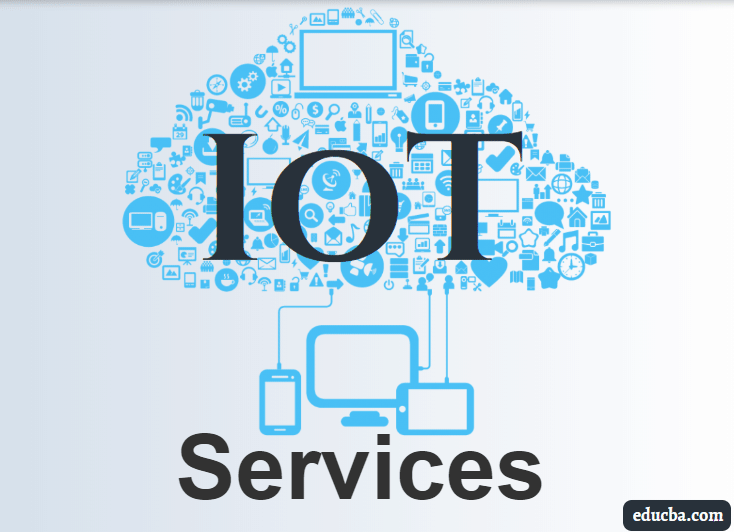
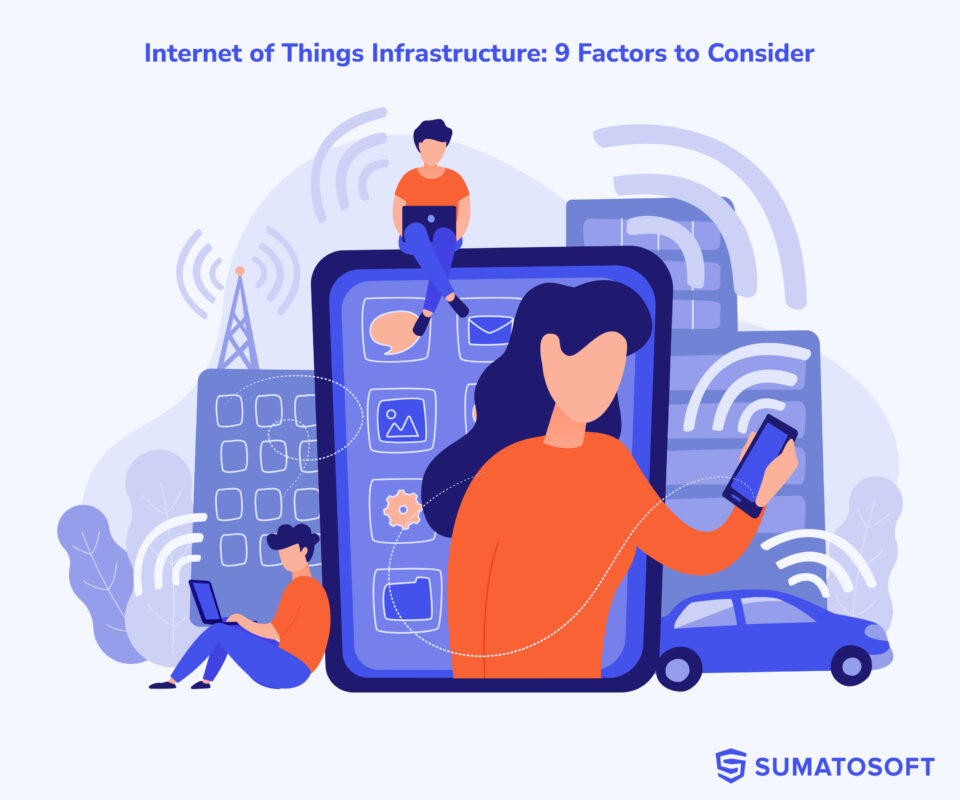
In simpler words, IoT is a connection or a sync between physical things embedded in a single network with the help of sensors and other technological simulators which enables them to stay in sync or connection and exchange data internally amongst each other over the internet. These things could be anything ranging from electronic devices in the household to sophisticated machines.
Why is IoT becoming an indispensable part of technology?
The best technology that the 21st century has seen is the IoT. IoT applications has made a farfetched idea of seamlessly connecting our electronics like cars, baby monitors, thermostats, home appliances to the internet with the help of embedded devices not only possible but also practical. IoT has made the connection between the physical world and digital world not only possible but has made them cooperate as well.
What helps IoT to be a practical part of the internet?
As opposed to the understanding that IoT is a very recent invention, it has been with us since more years than we know. What has brought it to the forefront of our everyday lives is a multitude of recent advancement in some technologies. Let us have a look at them:
→ Easy access to low power and low cost sensors has helped many industries in different fields to dive into the IoT.
→ A myriad of network protocols has helped build a path to connect the censors and the clouds which in turn syncs with the devices to form a seamless connection.
→ The increased number of cloud platforms helps not only the businesses but the consumers as well to gain access to the infrastructure according to their requirement without having to actually manage anything.
→ Conversational Artificial Intelligence or AI has come a long way and has pushed the boundaries of putting IoT in everyday affordable use. IoT devices such as Alexa or Cortana are viable and appealing examples of AI based IoT.
How are we accommodating IoT in daily lives?
Wearables:
Fitness bands or monitors, virtual glasses, GPS tracker belts are some simple examples of wearables that we have been using in our day-to-day life for some time now. The development and the introduction of IoT in these devices have been done by Samsung, Apple and Google. These are quite small but extremely efficient devices which are embedded with sensors amongst other necessary hardware needed for reading measurements along with software programs that organize the collected data from the users. IoT has also helped the health industry by providing wearables wherein the sensors help monitor a patient’s health condition in real time. As it continuously keeps a track on the patient’s vital signs through automated alerts, the IoT becomes responsible for saving lives in high risk patients.
Traffic management:
Larger the city, the higher the risk of getting stuck in traffic. IoT helps to manage the diversion of traffic hence boosting the concept of smart cities as well. Our mobile phones work as sensors which becomes a mode of sharing data from our devices to apps such as Google. This in turn not only benefits us by guiding us to a route which has less traffic but also provides others an insight about the traffic conditions of any given area.
Hospitality:
Introduction of IoT to the hospitality industry has proven to be a boon to them. The hotels have implemented the use of electronic cards, which with the help of IoT, have been delivered directly to the guests smartphone device. This gives them an insight and update about the guest's location, the status of their orders placed, their feedback, automated check-out process etc. can be made possible through various customized applications.
Water supply management:
This works with the help of a sensor which either comes incorporated with the water meter machine or can be customized and attached later. This with the right software helps to collect the data which in turn helps analyze the behavior of the consumer, keeping track of faults, following up with the course of action deployed for maintenance etc.
All in all there are multiple uses of IoT as it is almost adaptable and adjustable to any form of technology, old or new. It makes any device or “thing” that it is attached to provide data about its operation and performance. The data-gathering and automation capabilities of IoT make the operations efficient and less costly. With a lower usage of energy, the businesses have the potential of streamlining the practices initiating savings and profits like never before.