Dr. Shivani Bhutani at Eva Hospital has been dealing with patients of both genders with infertility. She explains that almost 90% of couples succeed in getting pregnant after undergoing fertility treatments. However, the success rates of these treatments depend on the cause of infertility, the couple’s ages, and other aspects.
Although Infertility can pose many challenges and can sometimes affect relationships as well as emotional health, infertility treatments these days are proving highly successful in helping couples to eventually
start a family. An accurate diagnosis and appropriate treatment is the right step in this direction.
If you and your partner have been facing problems in conceiving despite trying for more than 6 months to a year, you may book an appointment here with Dr. Shivani Bhutani
Read More:Infertility: Types, Symptoms, and Causes
What Are The Fertility Treatment Options For All Genders?
Although the above prevention and treatments can help some couples to conceive successfully, others might need more treatment options to increase their odds of pregnancy. Some medications may be prescribed to women to stimulate ovulation, before trying one of the following options:
- Intrauterine insemination (IUI): A long, thin tube is used to place sperm directly into the uterus.
- In vitro fertilization (IVF): A kind of assisted reproductive technology, it implicates harvesting the eggs at the end of the stimulation and placing sperm and eggs together in a lab dish. These eggs are then fertilized by the sperm and one of the fertilized eggs (embryo) is placed into the uterus.
- Intracytoplasmic sperm injection (ICSI): In a procedure similar to IVF, a single sperm is directly injected into each of the harvested eggs by an embryologist and then an embryo is transferred into the uterus.
- Third-party ART: Donor eggs, donor sperm, or donor embryos are recommended to be used by Some couples may also need a gestational carrier or surrogate, who agrees to carry and deliver their baby.



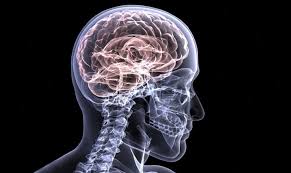
Brain tumor symptoms, causes, and treatment: today, the brain tumor is an increasingly serious problem, which needs to be identified and treated timely.
People have this misconception in their mind that the treatment of a brain tumor is not possible.
In this article, you will know what is a brain tumor, what causes it, about the brain tumors symptoms, types, diagnosis, and treatment.
Brain tumors can be carcinogenic (malignant) or non-cancerous (benign).
Brain tumors can occur in both adults and children.There are different types of brain tumors.
When brain tumors start from the brain, it is called primary brain tumor and if cancer starts from other parts of the body and reaches the brain, then the brain tumors caused by this type of cancer are secondary, or metastatic brain tumors.