PET Scan
A positron emission tomography, or PET scan, is a non-invasive imaging diagnostic tool that can be used to diagnose a variety of diseases as well as assess oxygen consumption, blood flow, and sugar utilization
PET scans are classified as Nuclear Medicine examinations, and they are frequently performed in conjunction with CT scans and X-rays on the same machine, decreasing the cost, time, and need for several standalone procedures..
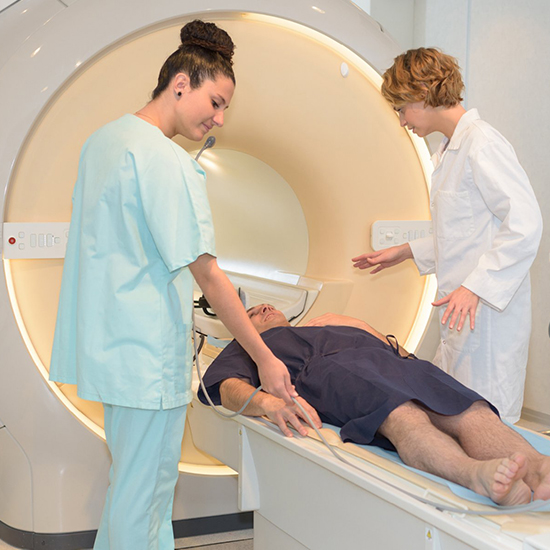
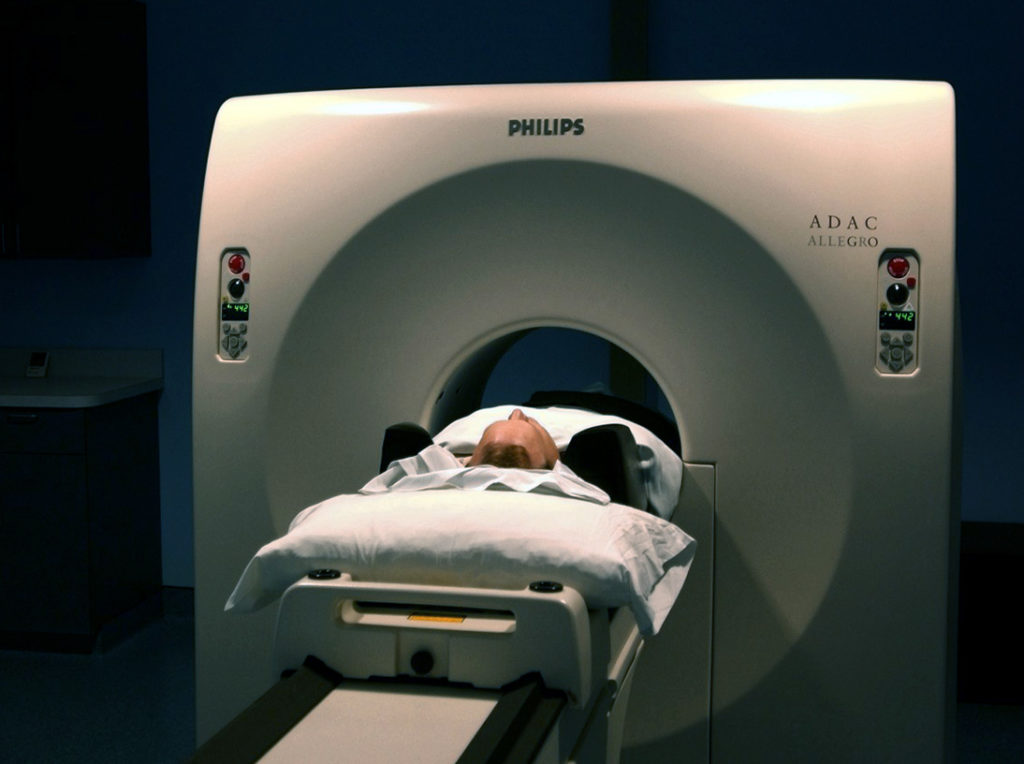
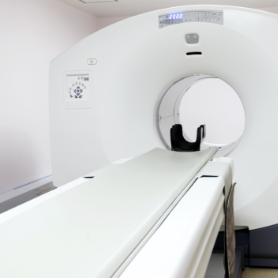
The PET scan machine resembles an MRI or CT scan machine but is far more advanced, and the operation takes 30 minutes to 2 hours (depending on the PET scan type) to complete with no need for hospitalization
Certain forms of PET scans employ a soluble radioactive tracer that is given orally or intravenously to check for regular and irregular metabolic activity, detecting and diagnosing the existence of an illness.
This picture diagnostic test is frequently indicated in the event of serious medical illnesses like cancer, neurological problems, and cardiovascular disease. A PET scan is used to evaluate the success of treatment while an illness is being treated.
Preparing for a PET scan test:
- Bring your medical history along with any previous scans
- Make sure to remove any metallic objects, such as keys, jewellery, belt, wallet, etc.
- Get dietary advice from the doctor at least 2 days before the test
- As the PET scan alters the body’s blood sugar, hence, diabetics need to consult with their doctor about possible risks and how to mitigate them
- Make sure to carry your Kidney Function Test (KFT) report, no more than a month old
- A radioactive tracer is injected about 30 to 60 minutes before the test, post-which you’ll need to rest for the tracer to dissolve
.