

In a pharmaceutical manufacturing industry, working with biological materials is a fairly
common practice. These materials may or may not be hazardous to the worker, but they
can most certainly be sensitive to microbiological contaminants. Contamination is
mostly originated by a personnel. It is important to use proper, germfree cleanroom
garments in order to protect the products and the personnel from contamination.
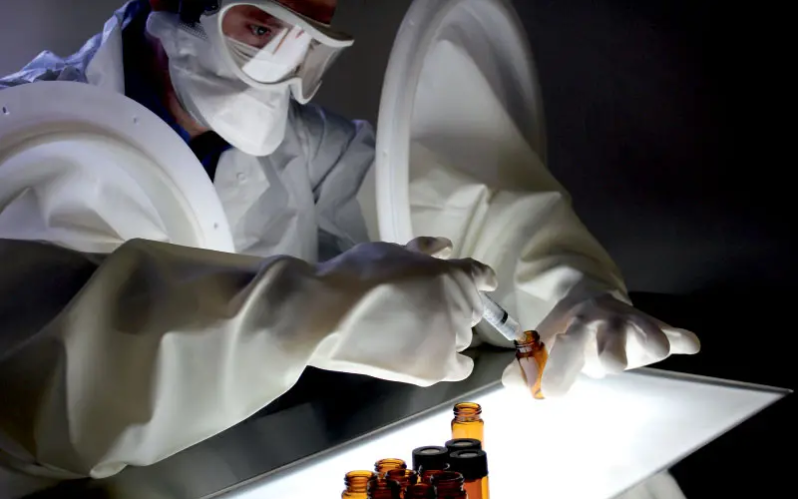
Researchers come in direct contact with various products, substance or material
through their hands and hence, need to be protected from exposure to chemicals. This
is where cleanroom gloves come into the picture. Various types of cleanroom gloves are
used for various purposes and a certain type of cleanroom gloves must be used for a
certain material.
As a contamination-free environment leads to quality sterilization and prevents
infections, Autoclaving is considered as the most effective and reliable sterilization
method. Autoclave sterilization uses high pressure and high temperature steam to kill
microorganisms and render bio hazardous material inactive. High-pressure heat, steam
burns, hot fluid scalds, injuries to hands and arms from the door, and bodily injury in theevent of an explosion are potential risks of using autoclaves. This becomes imperative
for any pharmaceutical personnel to use appropriate Personal Protective Equipment
(PPE) including autoclavable gloves and gauntlets.
Let’s now understand the varied types of materials used while manufacturing
autoclavable pharmaceutical gauntlets with studying their high-protection benefits.
1. Ethylene Propylene Diene Monomer (EPDM)
Ethylene Propylene Diene Monomer or EPDM possess an excellent resistance to
environmental factors like Ozone, UV and general weathering at higher temperatures
that reaches maximum at 130°C (266°F). EPDM infused Autoclavable Gauntlets carry a
high level of resistance to abrasion, solvents and perforation. The use of heat-insulating
gloves helps and prevents burns while loading and unloading autoclave. Suffused with
hydrogen peroxide, these gloves provide anti- septic for cuts and burns due to handling
autoclaves or any high temperature material.
2. Hypalon
Hypalon is made up of man-made rubber called CSM or chlorosulfonated polyethylene,
generally fabric-coated that resists abrasion, UV rays and chemical very efficiently.
Pharmaceutical gauntlets made of hypalon material are soft, flexible specially designed
for high convenience. Hypalon Gauntlets possess high resistance against hydrogen
peroxide and hence suitable for autoclaving.
3. Neoprene
Also known as polychloroprene, neoprene is a kind of synthetic rubber made of
polymerization of chloroprene. This material possess excellent chemical resistance and
maintains flexibility over a wide temperature range. Neoprene Gauntlets give
outstanding protection against heavy duty, abrasions and cut objects during autoclaving.
These gauntlets are warm and feels good to wear in all the seasons.
4. Nitrile
Nitrile is a medical-grade material in terms of pharmaceutical gauntlets. Nitrile is
resistant to aliphatic hydrocarbons and it carries a high level of resistance to abrasion,
solvents and perforation. Nitrile Gauntlets are manufactured from accelerator free nitrilewith low levels of particles. They can be easily sanitized with VHP or IPA with being
suitable for autoclaving.
At June Enterprises, our pharmaceutical industry experts deliver the one-stop solutions
for all your pharmaceutical discomfort and problems. We owe to serve you the best and
so you can always feel free to seek our assistance and ease out your autoclaving
process.
Learn More at: https://www.juneenterprises.com/