



A female body goes through multiple changes and diabetes further elevates this. Understanding how diabetes affects women has become increasingly crucial as diabetes has engulfed the majority of the world's population. Women have also been shown to have a higher risk of diabetes complications. Diabetes can also lead to difficulties during pregnancy in women. As a result, diabetes and women continue to be a hot topic.
Symptoms of Diabetes Common in Women
Only by being able to recognize the signs of a particular ailment will you be able to take preventative actions. While some diabetes symptoms are shared by both men and women, some are specific to women.
- Yeast Infection in the Vaginal or Oral Area
- Vaginal discharge, irritation, discomfort, and other symptoms of vaginal yeast infection may occur.
- Urine Infection
- Polycystic Ovary Syndrome (PCOS)
- Women's Sexual Dysfunction
Risk Factors of Diabetes in Women
Diabetes can be caused by any of the following reasons:
- High Cholesterol
- High BP
- Overweight or High BMI
- Inactive Lifestyle
- Gestational Diabetes
- History of diabetes in the family
Gestational Diabetes
Gestational diabetes is distinct from Type 1 and Type 2 diabetes in that it only affects pregnant women. The way insulin operates is affected by hormones during pregnancy. It stimulates the production of insulin in the body. When the amount of insulin in the body is insufficient, the pregnant woman develops gestational diabetes.
Gestational diabetes usually goes away after the baby is born. Type 2 diabetes is more likely to develop if you have gestational diabetes. After experiencing gestational diabetes, it is suggested that you get tested for diabetes and prediabetes for a few years.
How To Control Diabetes in Women
Diabetes can only be treated with a variety of regular routines. We've compiled a list of diabetes-management strategies for women.
Changes in Lifestyle
A regular fitness routine, a nutritious and fiber-rich diet, and abstaining from alcohol and cigarettes are all examples of healthy lifestyle choices.
Keep an eye on your blood sugar levels on a regular basis
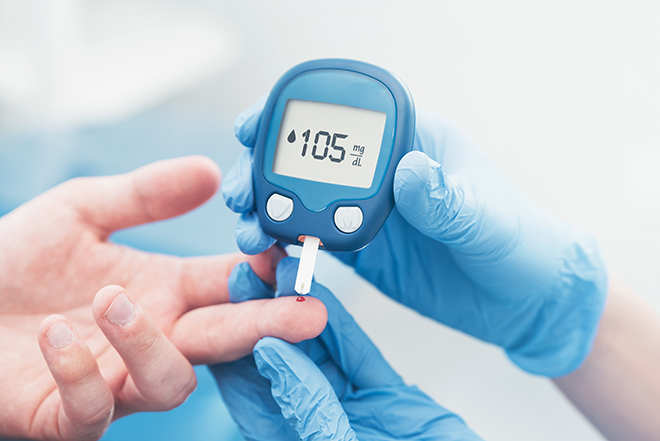
As a diabetic, you must keep track of your blood sugar levels on a regular basis. Use the proper glucometer for this reason, and tailor your food and lifestyle to your sugar level.
Medication
Although there is no cure for diabetes, various drugs can help you manage its symptoms and complications. Diabetes drugs that are often used include insulin therapy for Type 1 diabetes and Metformin, which helps lower blood sugar levels. Before beginning any medication, please consult with your diabetes doctor.
Diabetes-Related Complications in Women
Diabetes can cause a variety of issues if it is not handled properly and at the appropriate time. Complications can include coronary heart disease, eating disorders, nerve damage, skin difficulties, eye damage, foot problems, and other issues.
Diabetes, if not controlled, can lead to long-term, serious health consequences, including
- Renal disease, which can result in excessive blood pressure or kidney failure
- difficulties with the eyes that can lead to blindness
- Nerve and blood vessel injury in the feet can cause pain, numbness, infection, and the need to amputate a toe, foot, or leg.
- Excessive amounts of cholesterol in the blood can contribute to stroke and heart disease
- Infections such as bladder or kidney infections, vaginal infections, yeast diseases, and skin infections
- Pregnancy complications
- Thyroid issues
Diabetes patients have a reduced life expectancy in addition to these comorbidities. As a result, it is critical that people with diabetes manage their chronic illnesses with extreme caution. If you have any concerns, always consult your doctor or a health coach.
Preparing for pregnancy if you have diabetes can benefit both your health and the health of your future child. Make an appointment with your health care provider before becoming pregnant to discuss your options. A few weeks before becoming pregnant, you should aim to maintain adequate glycemic control. Changes in your care may be suggested by your health care practitioner to assist drop your glucose to a normal level.




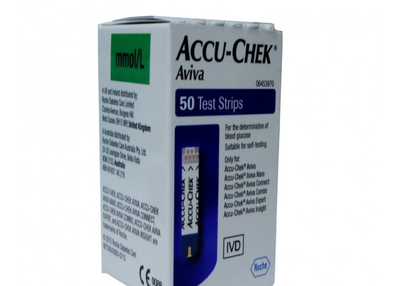
Accu-chek Aviva 1 x 50 Test strips
For testing blood glucose levels in diabetics.
Suitable for use in gestational / pregnancy diabetes.
Available on the Medical card, Drug Payments and LTi Schemes for diabetics
Helps you keep track of your blood glucose levels and keep them below 7.
Suitable for Accu-Chek, Accu-Chek Aviva, Accu-Chek Aviva Nano, Accu-Chek Aviva Combo, Accu-Chek Aviva Expert and Accu-Chek Aviva Insight Blood Glucose Meter Systems.