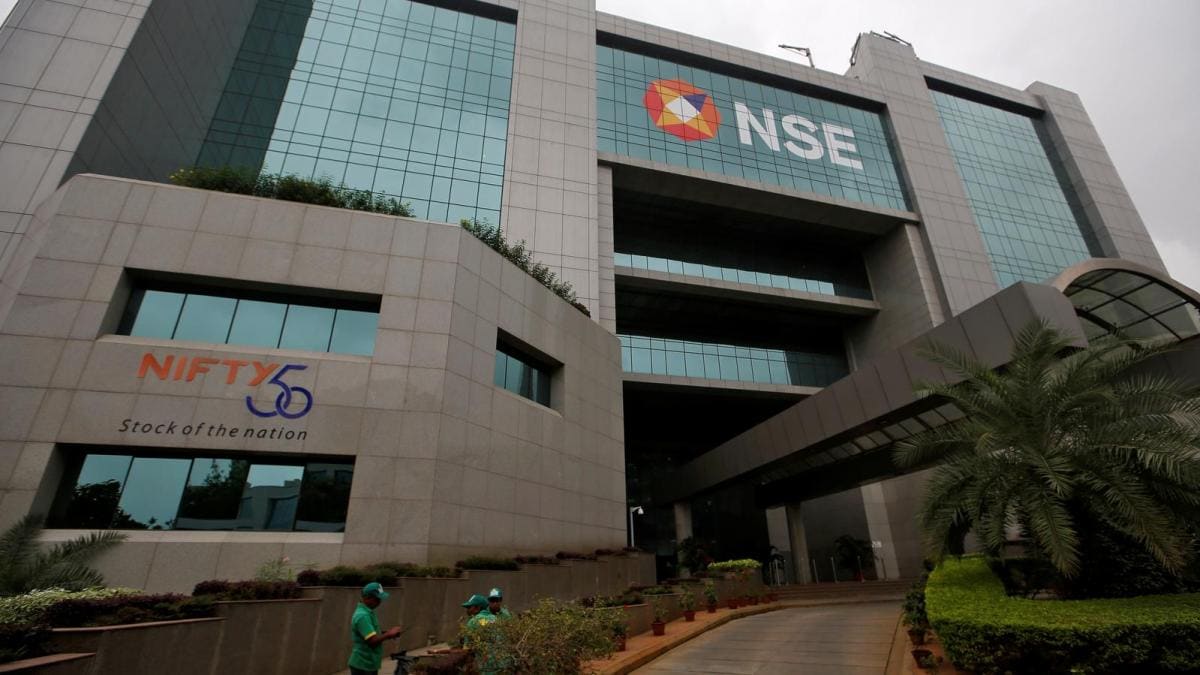
NSE International Exchange recently announced trading in select US stocks for investors in India. Before we understand how to trade in US stocks, let’s understand the basics.
What is NSE IFSC?
NSE IFSC (International Financial Service Centre) is a wholly-owned subsidiary of the National Stock Exchange (NSE). This platform, NSE IFSC, is established in the GIFT City (Gujarat International Finance Tech City) in Gujarat. It is under construction with an objective to develop a world-class smart city that could one day become an international financial hub.
So, NSE IFSC is essentially an exchange platform for international stocks. This means stock exchanges operating out of GIFT City will be permitted to trade securities in any currencies (other than the Indian rupee). NSE IFSC offers longer trading hours in index derivatives, stock derivatives, currency derivatives, commodity derivatives and debt securities.
According to multiple media reports, the exchange has received approval to trade in 50 US-based stocks, including Apple, Alphabet, Amazon, Tesla, Meta, Morgan Stanley, and Coca-Cola. But only eight of these stocks will be available for trading for investors on March 3, 2022.
Here is what you, as an investor, should know before trading/investing in US stocks via NSE IFSC.
How to trade?
An investor or trader can buy and sell US-based stocks through NSE IFSC receipts.
To start trading, you need to have a Demat account with any or one of the brokers registered with NSE IFSC. Once that’s completed, you can transfer money into the brokerage account, and you are ready to trade.
Keep in mind that Indian investors will transact on the NSE IFSC platform under the Liberalised Remittance Scheme (LRS). It is a scheme through which resident individuals can remit money (abroad) for any capital or current account transactions up to a specific limit. RBI prescribes the limit from time to time. At present, the LRS limit is $250,000 per financial year. At the current USD-INR rate, it works to around Rs 1.89 crore.