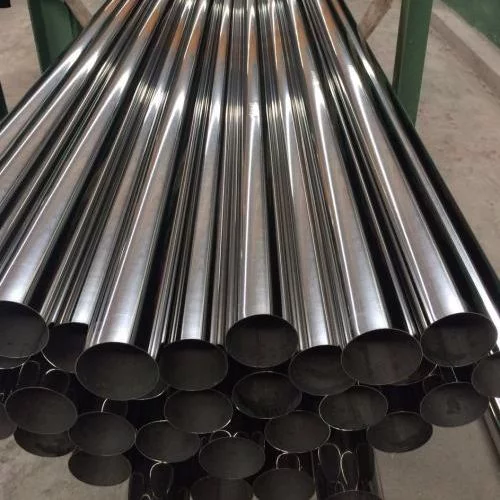
An English laboratory's early 1900s research on ways to stop gun barrel rust eventually led to the development of stainless steel. Steel can be made into "stainless steel" by adding a minimum of 10.5 percent chromium.
A Martensitic grade alloy is alloy 416. It is a variant of normal 410 with more sulphur for more aggressive machining. Products requiring greater machinability typically utilize 416. Some of its corrosion resistance is sacrificed for higher machinability. It is not appropriate for maritime environments or other scenarios involving chloride exposure. It can, however, handle applications that withstand environments of wet and dry corrosion, such as those found in cutlery, steam and gas turbine parts, and slightly corrosive chemicals.
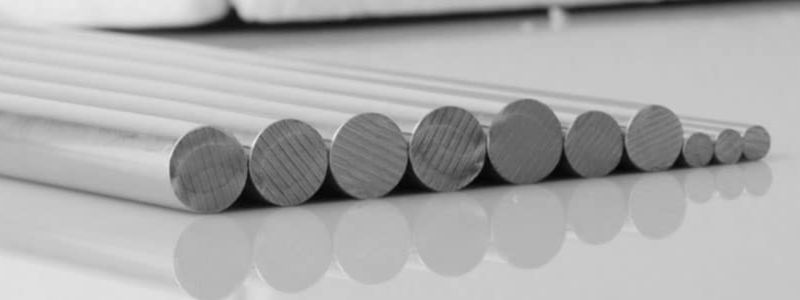
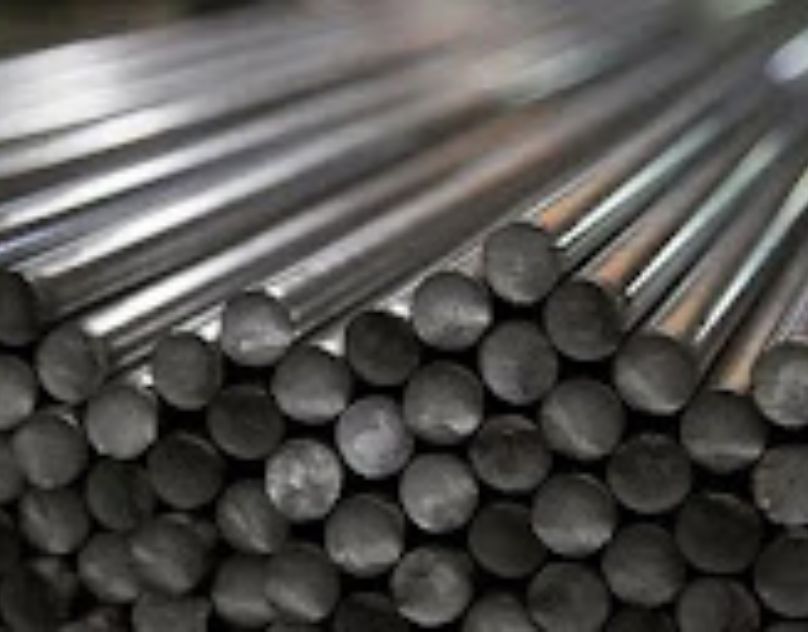
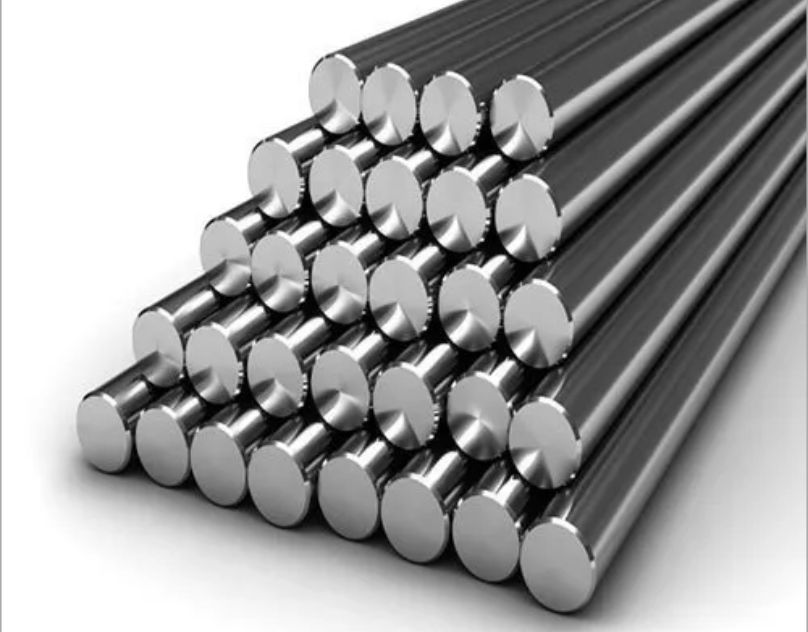
Facts about Stainless Steel 416 Round Bar:
• The stainless steel market as a whole accounts for 7-8% of 416.
Along with the other 400 series alloys, 416 is a martensitic grade (410, 420, 431, 440A, 440B, 440C)
• 416 is one of the greatest grades for free machining; it is superior to 303.
• Heat treatment is the sole way to harden 416.
• Magnetic 416
• Hardness 416:
o RC 26 max in Condition A (annealed).
o RC 24-32: Condition T (intermediate temper condition)
o RC 31–38 under Condition H (hard temper condition).
· Common 416 end uses
Pump shafts.
stems for valves
o Axels
o Gears
o Screws and bolts
Machinability of Stainless Steel Bars (Best to least) Comparisons:
o 416
o 430F
o 303
o 17-4 H1150
o Condition A 17-4
o 304 / 304L
o 316 / 316L