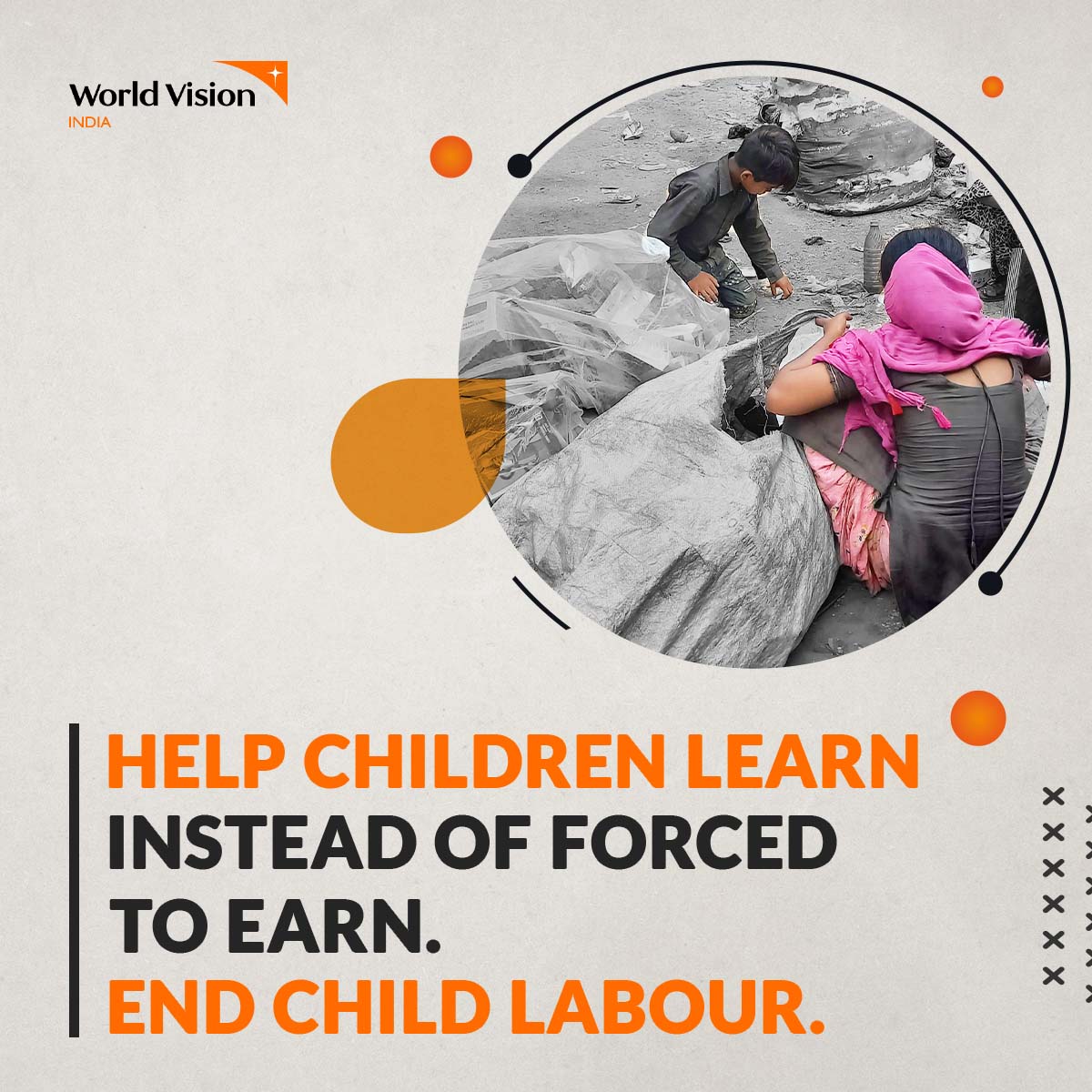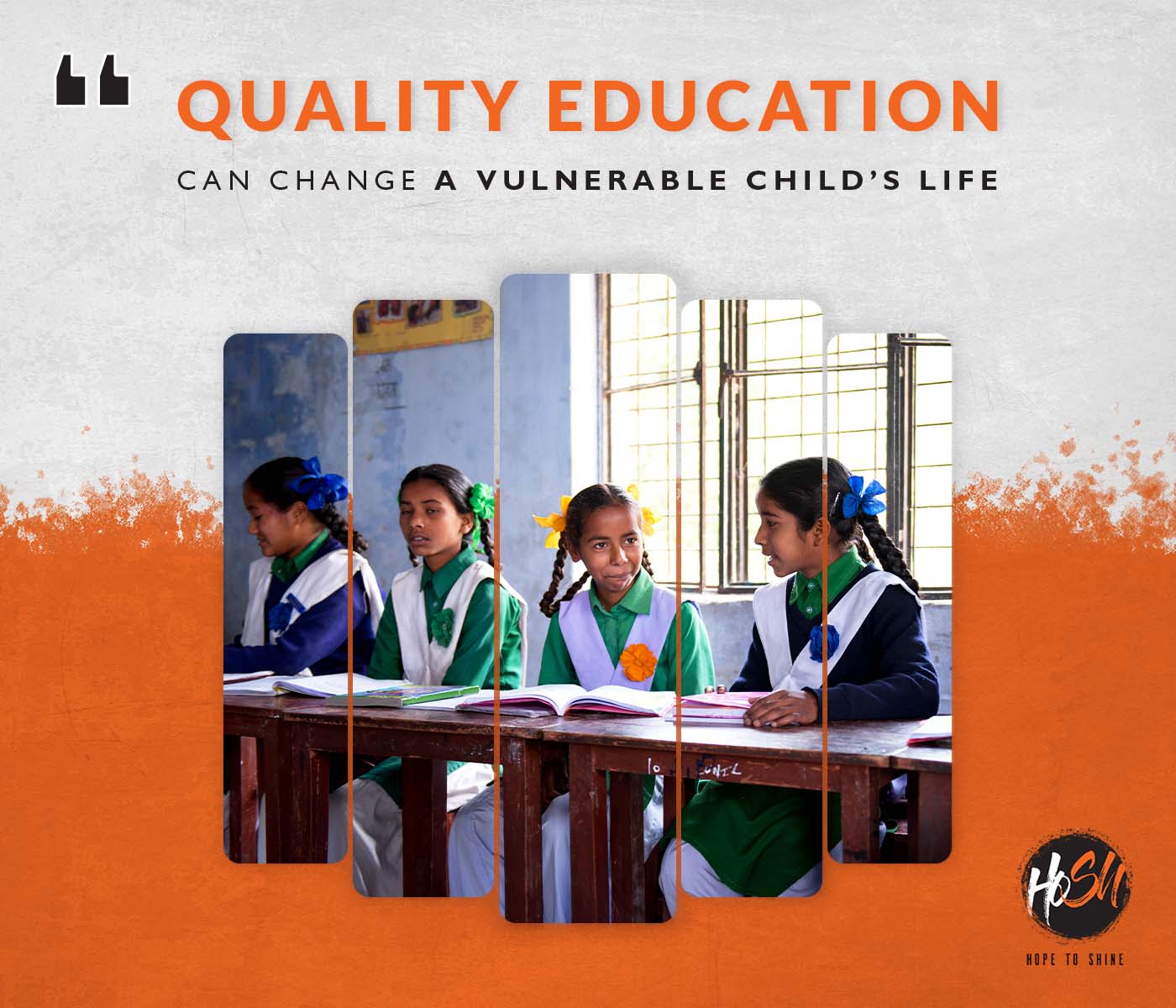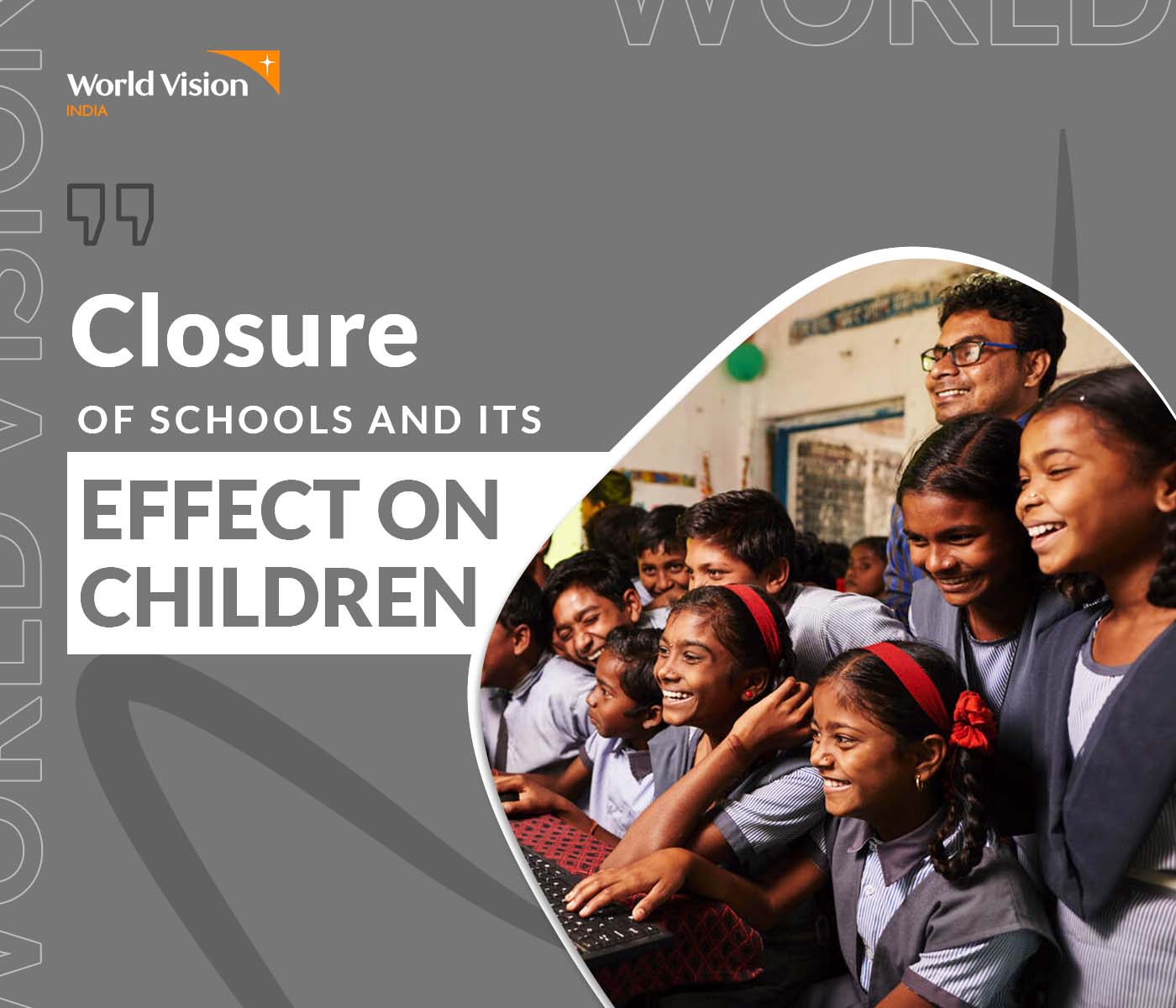
The pandemic resulted in the closure of all the schools in India for an indefinite period of time. Due to this, several children, especially from impoverished backgrounds were forced to engaged in child labour. Donate online to help us conduct a nationwide childhood rescue, and send these children back to school.
The closure of schools on the announcement of the nationwide lockdown in 2020 affected about 286 million students in India. Out of this, only 37.6 million were able to continue school online. Ever since the pandemic struck, children from 62% of the households in 14 states across the country dropped out of school of which discontinuation was reported in 67% of the rural households and 55% of the urban households. Most of these students could never return back to school. High dropout rates in India had a severe impact on the well-being of children even before the onset of the global pandemic. As indicated in the Dropout Rate table, the Ministry of Education states that the dropout rates increase with the level of education. Moreover, it is also evident from the table that the dropout rate among secondary students is more than 10 times that of the primary students. UNICEF India’s report indicates that health concerns were a major reason, hampering students from returning to school during COVID-19, especially among children aged 5-13 years.
Parents also expressed concerns about their financial restraints to send their children back to school. The Ministry of Education data also indicates that more boys are dropping out of secondary schools compared to girls. The possible explanation for this rise in dropouts could be the increase in child labour performed by older boys, as the new labour laws do not consider children working with their parents as child labour.. Another reason could be increasing rates of migration of families for work. This also meant that childhood rescue was harder to conduct, and we couldn't send a lot of these children back to school.
World Vision India worked hard during this time to ensure that most of these children were sent back to school. Donate online today to help us reach even more.
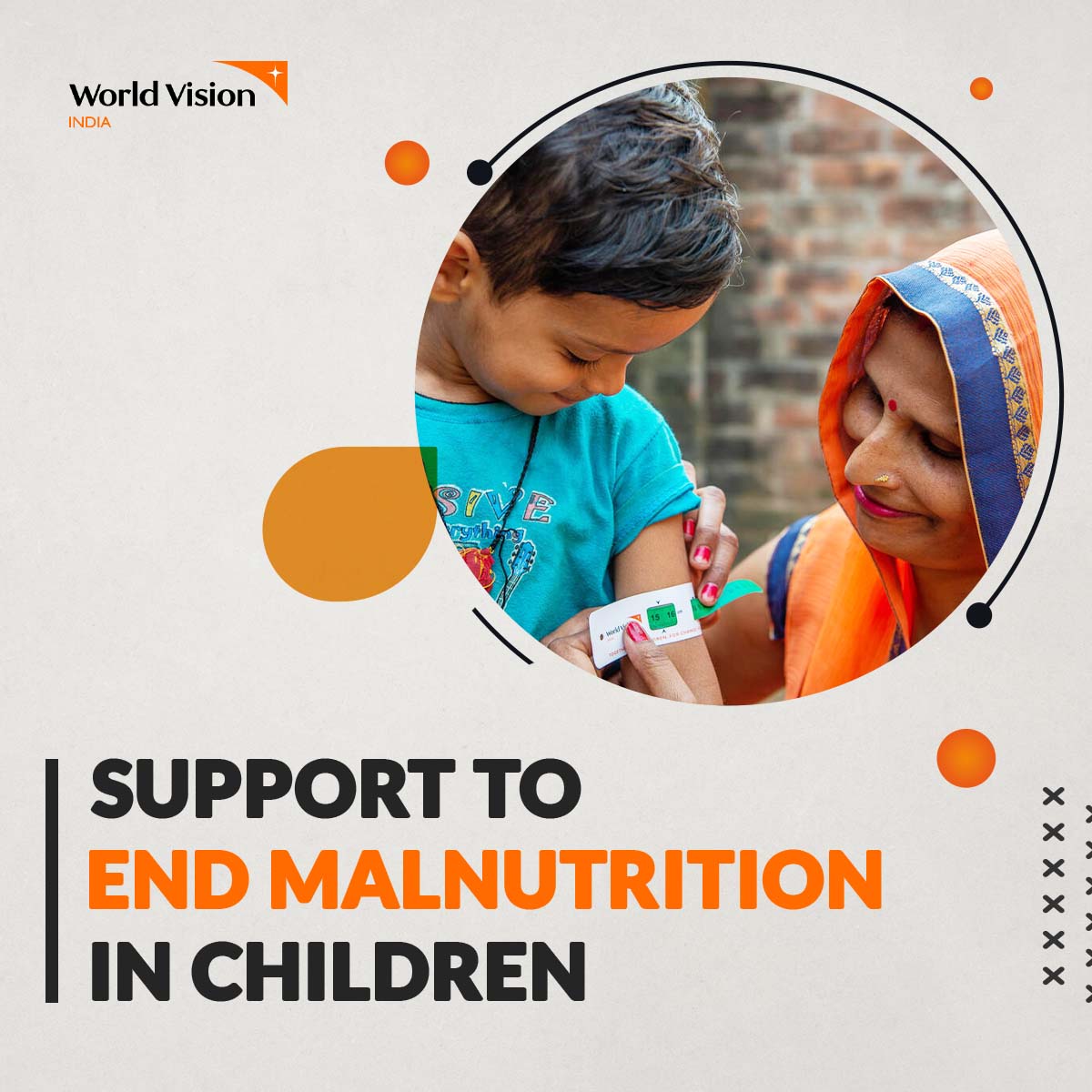
World Vision India worked in 4 main domains when it came to childhood rescue during the pandemic. These were school education, hygiene, protection and health. Through surveys, it was found that child labour was rampant in the country. This was concerning as children were increasingly being made to work full-time, and may very well never go back to school. In the hygiene sector, it was found that hand washing and sanitizing oneself was not something thst s lot of the children had access to. Help us build tube wells, and provide buckets and soap to these children, and donate online. In the protection sector, we worked hard towards childhood rescue, and tried to engage with families to convince them to send their children back to school. This was done with the help of trained volunteers who explained and made the parents aware about protection risks. These volunteers also provided medical and psychological counselling to these families to promote childhood rescue. Finally, in the health sector, we had a positive response, where most of our beneficiaries that you help when you donate online,reported that they didn’t face any challenges accessing health centres and clinics. However, accessibility and availability of Maternal and Child Health, and Nutrition service delivery were major concerns. To cope with them, World Vision India trained mothers to identify malnourishment in their children and to take adequate measures for childhood rescue.
Help us send a child back to school, and donate online for their welfare.