

The global food encapsulation market is estimated to be valued at USD 10.6 billion in 2021. It is projected to reach USD 15.6 billion by 2026, recording a CAGR of 8.0% during the forecast period. Highly efficient technologies such as electro-spinning, bio-encapsulation, extrusion, and multiple emulsions are growing rapidly in recent times, which are expected to drive the growth of the food encapsulation market in the coming years. The major countries in Europe, such as the UK, France, and Germany, have the largest markets for dairy, which results in the growth of the food encapsulation market for dairy applications such as fortified beverages and cheese.

Download PDF Brochure @ https://www.marketsandmarkets.com/pdfdownloadNew.asp?id=68
Europe is one of the dominant markets for the food industry. Moreover, its technological leadership in several applications of food encapsulation, such as targeted and controlled delivery, has helped Europe become one of the fastest-growing markets. The increase in awareness about healthy foods and nutrition drives the market growth for food encapsulation in the region. The European Food Safety Authority (EFSA) is the regulatory authority, which verifies health claims related to functional food products in Europe. Microencapsulated cosmetics products in the European region are regulated by the European Cosmetic Regulation 1223/2009.
Core phase material is covered or packaged into miniature capsules and is a vital component of a food product. Hence, encapsulating it is necessary and helps in improving its final quality. Numerous food ingredients are encapsulated due to their health-promoting benefits, flavors, and tastes. Some also help in maintaining and preserving the texture and color of products. The benefits provided by these core phases in the food industry are a key factor driving the market growth for food encapsulation.
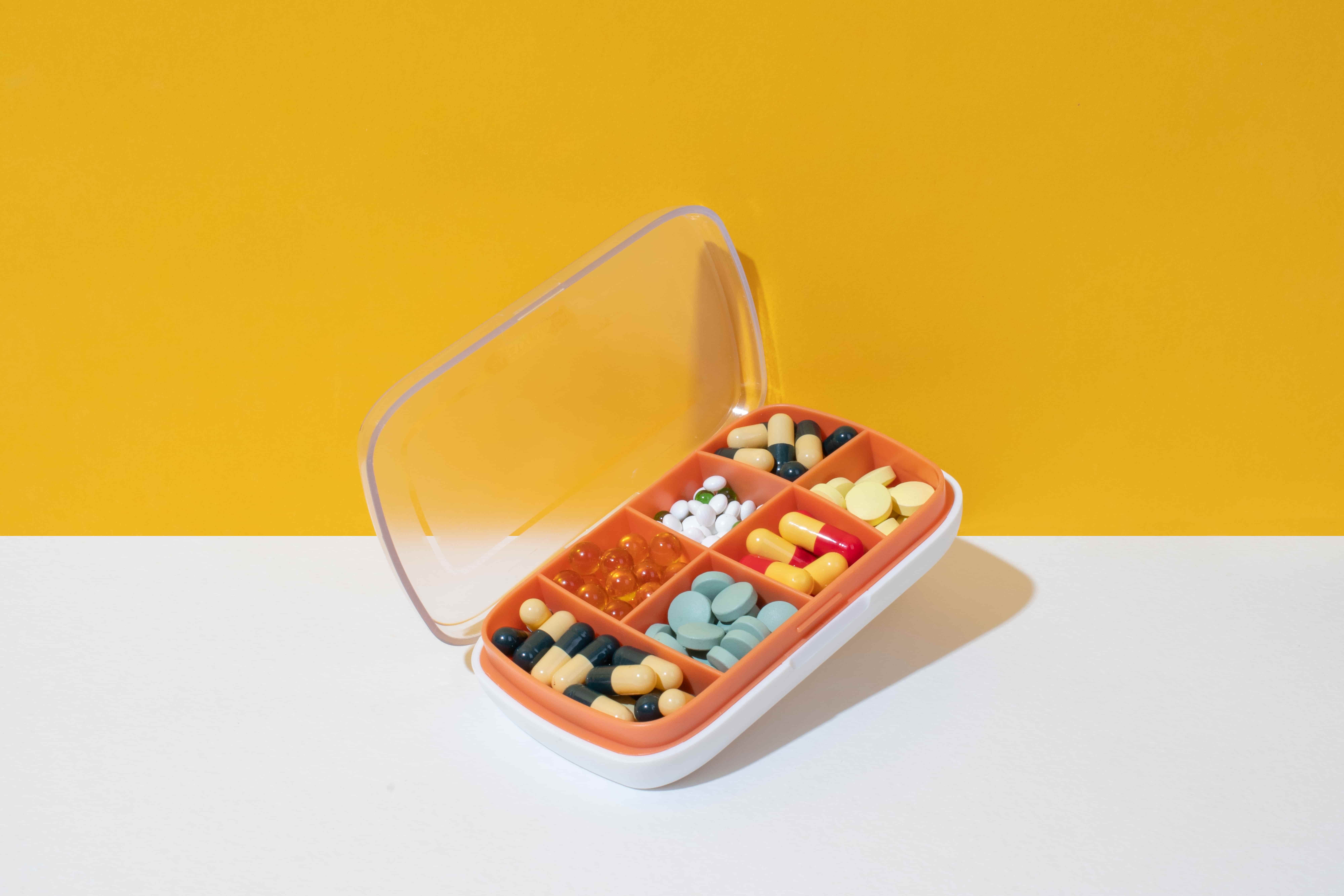
Dietary supplements contain active ingredients such as amino acids, vitamins, essential fatty acids, minerals, and probiotics, which help improve the functioning of the human body by providing all the essential compounds that are not sufficiently received from a regular diet. These bioactive agents are unstable in nature. Encapsulation of dietary supplements helps in enhancing the bioavailability and solubility of these bioactive agents. Encapsulation protects these agents from reacting with chemicals and the external environment. Controlled or targeted release of these bioactive agents can be achieved by encapsulation. Encapsulated dietary supplements are of hypoallergenic quality, making them ideal supplements for sensitive consumers as well. Encapsulated dietary supplements are manufactured without adding artificial flavors, fragrances, binders, or any other added coatings for avoiding disruption of bioavailability of ingredients.
Request for Customization @ https://www.marketsandmarkets.com/requestCustomizationNew.asp?id=68
The key players in this market include Cargill, Incorporated, BASF SE, DuPont, FrieslandCampina, DSM, Kerry, and Ingredion. These players in this market are focusing on increasing their presence through agreements and collaborations. These companies have a strong presence in North America, Asia Pacific and Europe. They also have manufacturing facilities along with strong distribution networks across these regions.