

Machine learning and deep learning algorithms rely heavily on data. The fundamental principle behind these complex and sophisticated algorithms drives them to deliver the outcomes expected from an AI-based machine learning model. It's, therefore, crucial to provide the AI algorithms with adequately structured and labeled data if you want to build reliable AI-powered machine learning models that lead to automation. And this is where data annotation gets into the picture.

Data must be annotated to enable machine learning systems to comprehend the command for performing given tasks. Understanding data annotation is essential further to exploring the applications of machine learning and artificial intelligence. It allows machine learning models to receive visual impressions from their natural environment in order to detect objects. This article will provide a complete guide to integrating image annotation modules into your application.
What is Meant by Image Annotation?
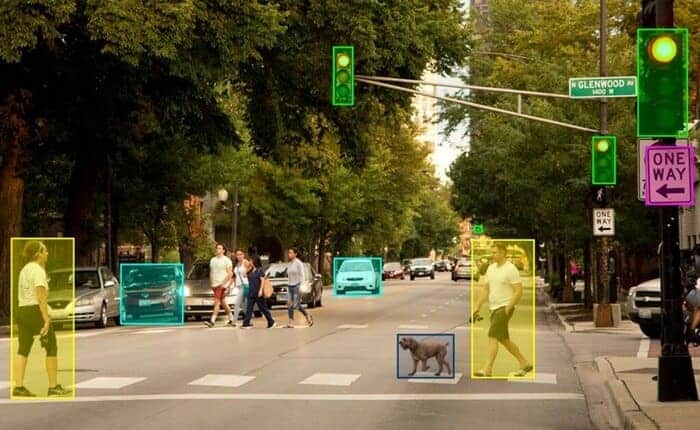
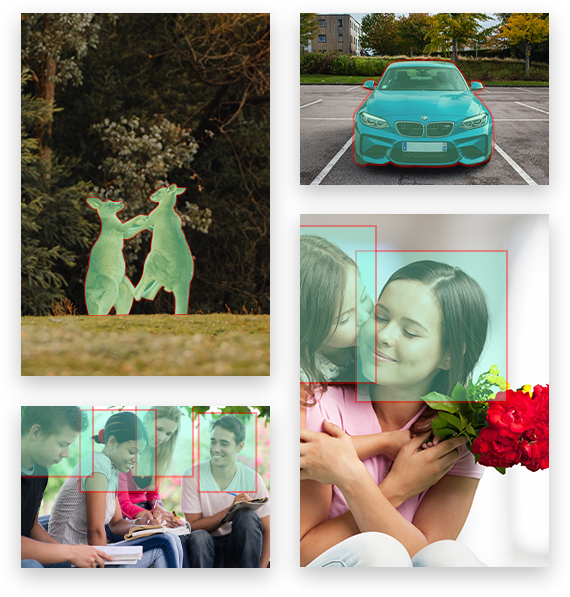
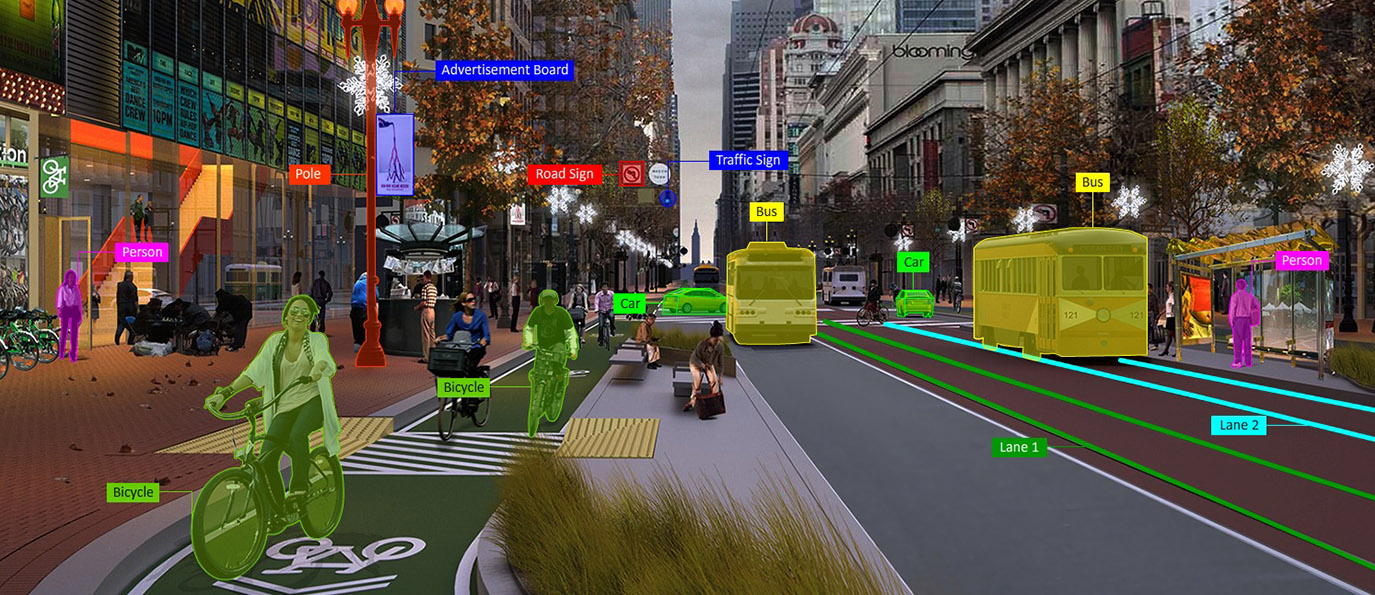
The annotation of images in a dataset is simply the process of labeling and annotating the images in the dataset for the purpose of training machine learning algorithms. A vital application of computer vision is image annotation, which lets machines interpret visual information just like humans by deconstructing digital images or videos. Most AI applications, including self-driving cars, medical imaging, drones, etc., are only possible with adequately annotated training data integrated into them.
You can determine the quality of the output based on the quality of the input data. You must accurately label the data used to feed the learning algorithms if you will be building reliable computer vision models for detecting, recognizing, and classifying objects. It's important to realize that data annotation can be very complex, and it can be extremely costly to annotate your image data incorrectly.
How do You Annotate Images?
Image annotation can be performed manually and by using automated annotation tools. An image labeling process that allows a model to label images independently is known as automated or model-assisted labeling. While manual annotation is also generally assisted by tools that help record key points for easy data labeling and storage of data, auto annotation tools are generally pre-trained algorithms that can annotate images with a certain degree of accuracy.
Manual annotation is generally assisted by tools that help record key points for easy data labeling and storage of data. Auto data annotation tools are generally pre-trained algorithms that can annotate images with a certain degree of accuracy. In these cases, auto-annotate tools assist manual annotation by providing a starting point from which further annotation can proceed.
Here is how the data annotation precisely goes for training machine learning algorithms:
1- Collect the industry-specific dataset for annotation;
2- Identify objects in an image that are of interest to you;
3- Determine the classification of different objects in an image;
4- Recognize the types of objects that fall into different classes;
5- Take review to enhance the accuracy, efficiency, and performance of existing models.
Data annotation is all about the process explained in the above 5 pointers. Appropriately annotated images lead to the development of high-quality AI training data for machine learning models, which make object detection and classification easier for the algorithms.
Automated/Model-Assisted Data Annotation vs. Human Annotation
The data annotation process is exhausting. It is common for humans to get tired and lose focus, which results in poor performance due to an erroneous machine learning model. A manual annotation procedure is both time-consuming and expensive, requiring utter concentration and skilled personnel. The integrated annotation approach combining automated and human annotation is the best fit for an accurate AI algorithm and functional machine learning model.
Leading machine learning teams bet on automatic labeling of data because of the fast-paced data annotation process. In order to apply AI training data to a machine learning model accurately, it is important for the training data to be annotated with precision. After this, the model can function the task it originally aimed for.
It is possible, however, to intervene, review, and correct mislabelled data when the model fails to label the data correctly. Following the corrections and reviews, the labeling data can be used again. Automated labeling can also be inaccurate, even though it saves you time and money. Annotations performed by humans are generally more accurate, but they can be more expensive.
Maintaining Accuracy in Data Annotation
By annotating images and videos, we set standards that the model tries to mimic, so any error in the labels will be replicated as well. Thus, precise image annotation is one of the most essential tasks in computer vision, as it lays the foundation for training neural networks. The point here is that maintaining the accuracy of the annotated data is of high significance to ensure the applicability of the training data and functionality of the machine learning model to what it has been designed for.
All in all, the accuracy of data annotation is the key to a quality machine learning model. The two most significant goals of image annotation are that it enables machine learning and AI models to label the data sets, which helps classify and compress annotated images for a given data much more quickly and accurately. Though automated data annotation & labeling can save tons of money and time, they may not be as accurate as they should be.
Contrary to automated annotation, human annotation can be much more expensive, but it tends to be more accurate as well. Therefore, when looking for a partner for data annotation, one must look into the annotation approach. A data annotation expert that promises to practice an integrated approach for image annotation, i.e., both manual and automated image annotation, is the best bet for an AI model.
How long does Image Annotation take?
Annotation times largely depend on the amount of data required and the complexity of the corresponding annotation. It is faster to process annotations with fewer objects than to process the data annotation task of hundreds or thousands of objects. Furthermore, annotations involving tags are much faster than annotations which require multiple key points to be pinpointed or multiple objects to be identified.
Final Thought
Working with data is a tedious process, especially when it comes to data collection and "image annotation". While it plays an important role in training algorithms, it also must be performed as precisely as possible. Proper annotation often saves time when developing the model later in the pipeline. In the course, you may want to consider partnering with a company that is specialized in data annotation — it is crucial for the success of your AI and machine learning ventures.