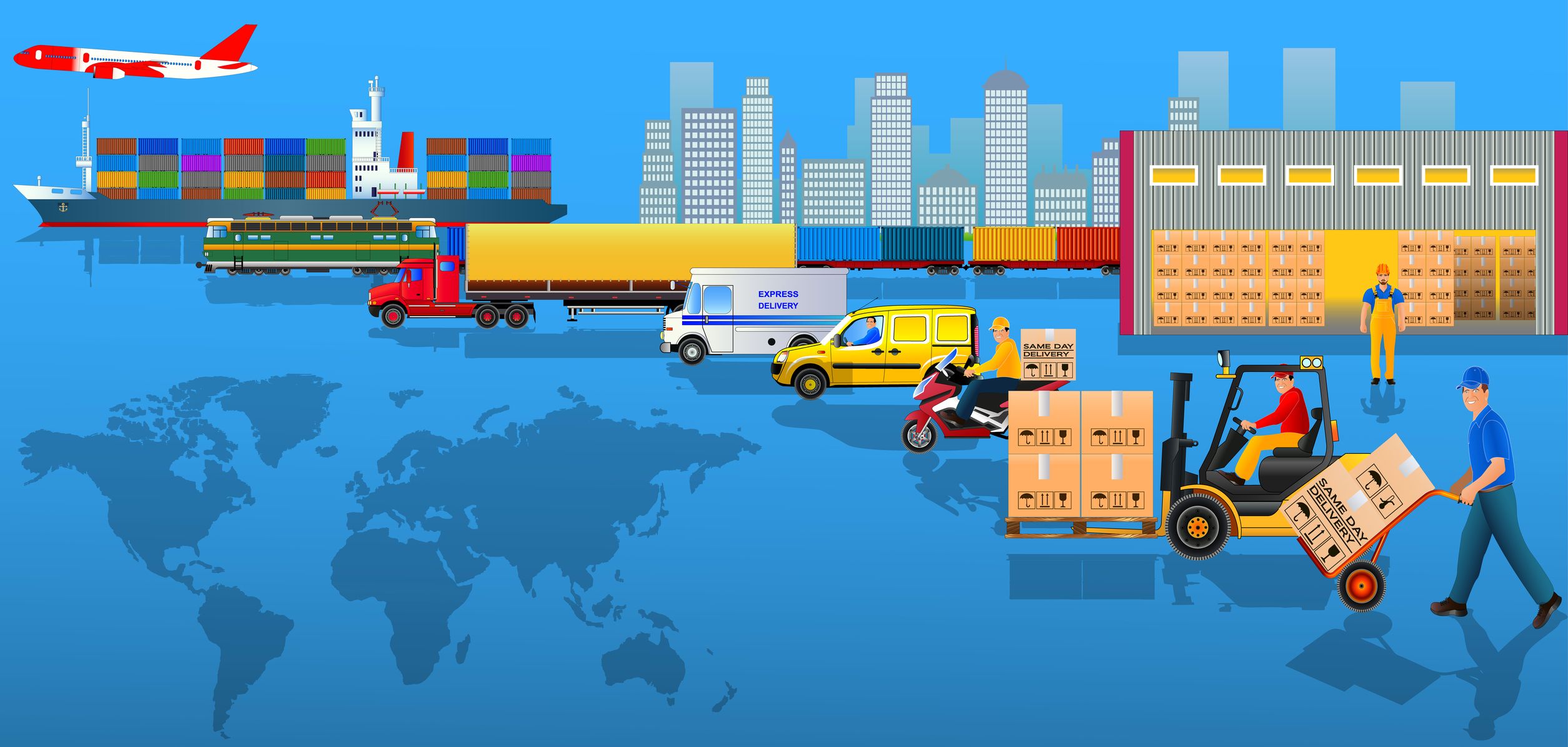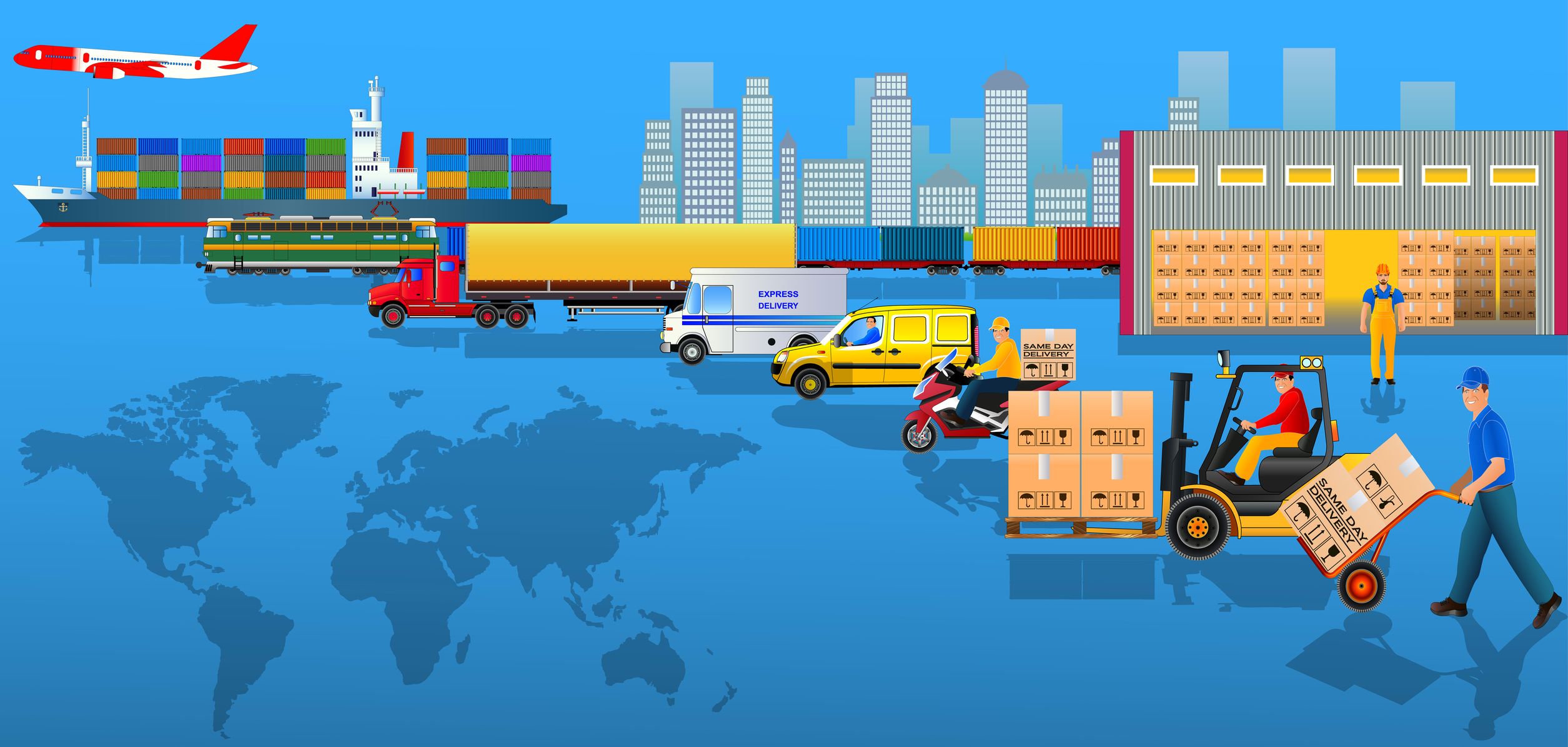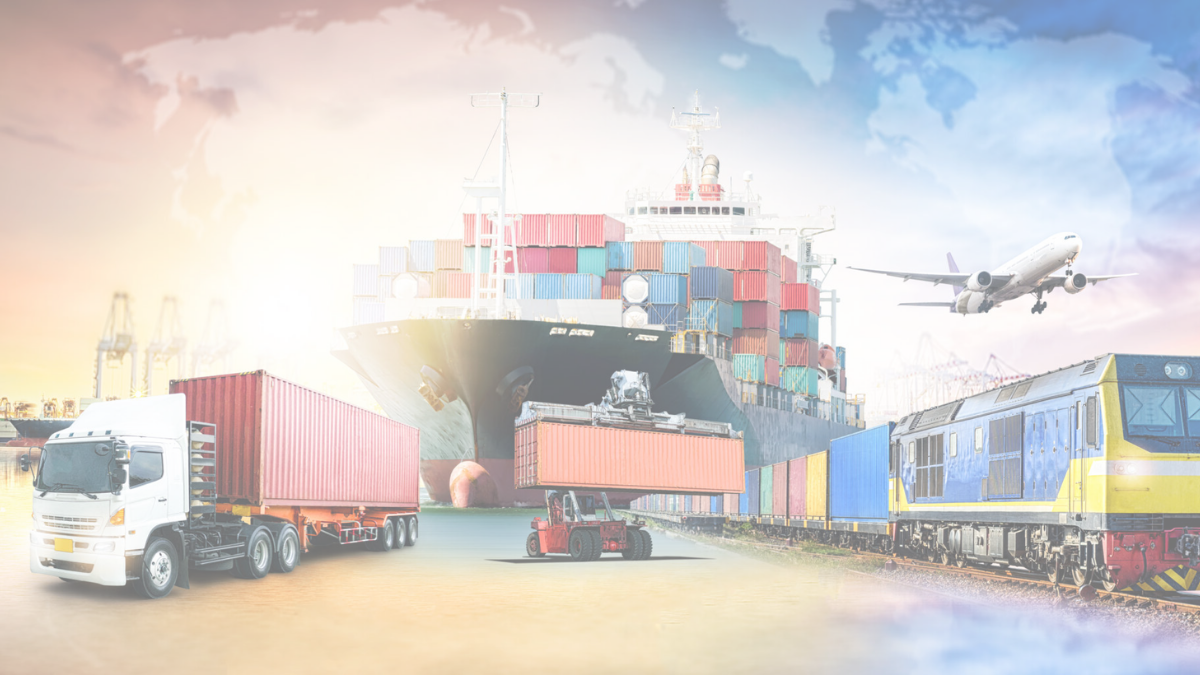
Logistics companies plan, implement, and control the movement and storage of goods, services, or information within a supply chain and between the points of origin and consumption. Various logistics companies handle some or all of these supply chain functions, depending on a client’s logistical needs.
Coordinating the movement of supplies and materials is now a globalized process. Today, the business sector uses logistics as a term to describe the efficient flow and storage of goods from point of origin to the point of consumption.
Logistics may also apply to information, transportation, inventory, warehousing, material handling, packaging, disposal, and security within the business.
Benefits of Logistic Company to the Manufacturing Sector
Ø Enhanced Reach
The logistics network has expanded its reach in the last decade, covering every corner of the country with at least one route. More importantly, delivery times have improved significantly, thanks to an uptick in infrastructure quality and the introduction of technology in the industry.
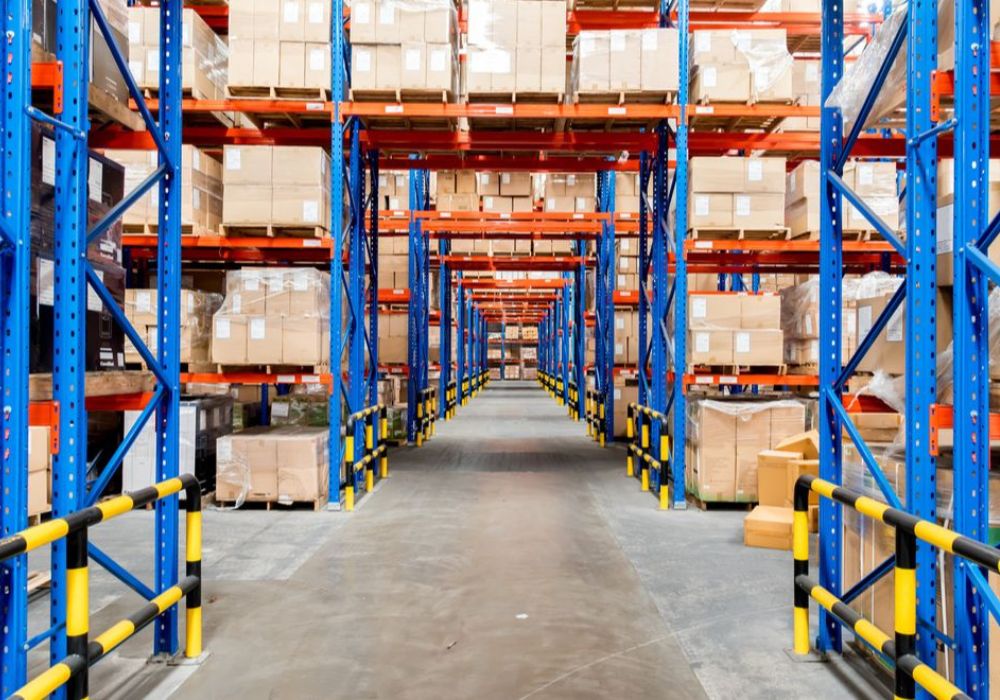
Also, total warehousing coverage in India has grown astronomically - jumping from 99.9 million sq. ft in 2015 to 252.7 million sq. ft in 2020 - which facilitated the expansion of the supply chain network and brought more manufacturing units and Indian towns under its ambit.
Ø Pan-Industry Tech Adoption
The last half a decade has witnessed accelerated tech adoption in the industry, and that, arguably, is the number one factor responsible for revolutionizing the logistics sector.
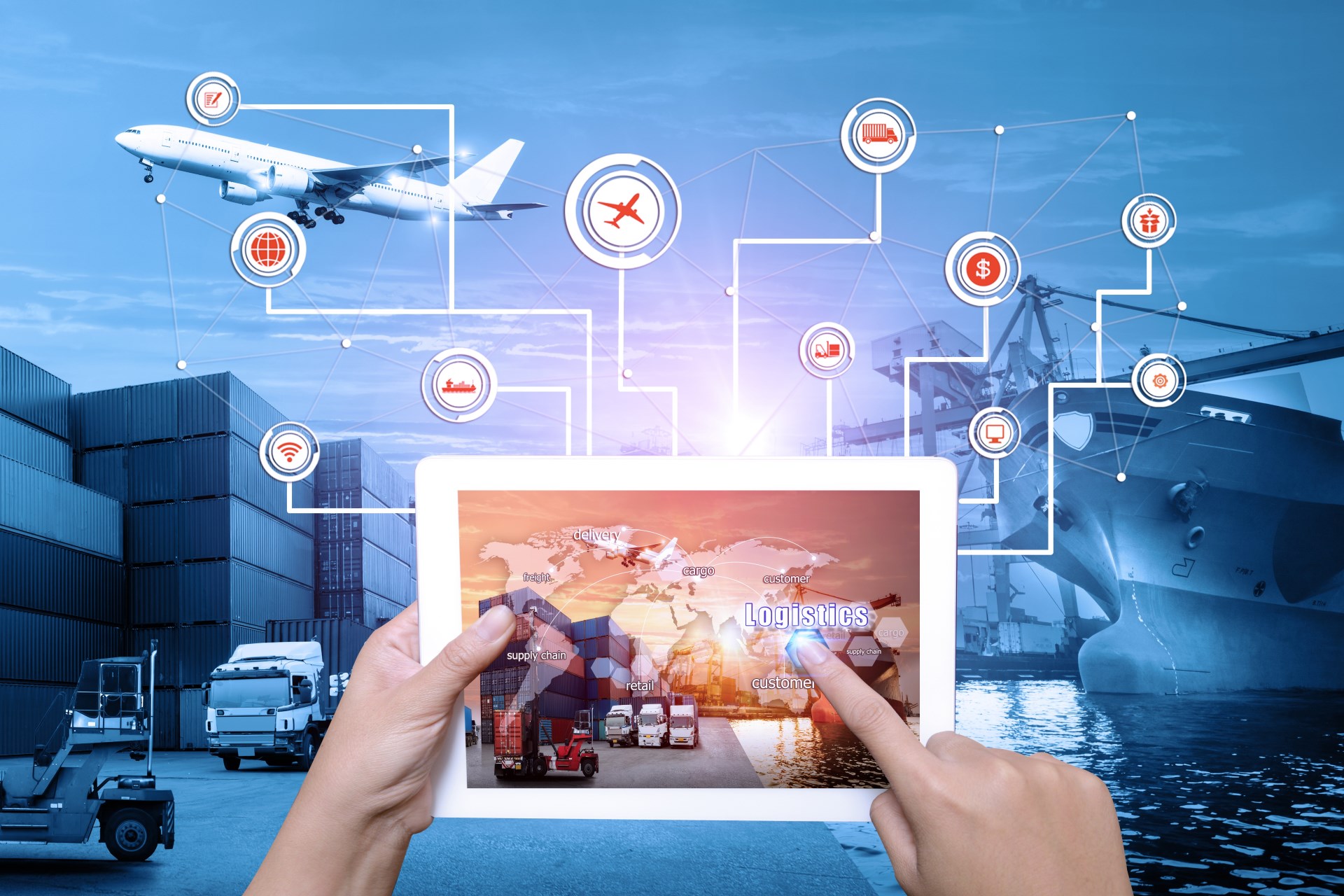
Technology can help the sector counter rising supply chain pressures and accentuate operational efficiency. The logistics industry has already started looking at the Internet of Things, Automation, Blockchain, Cloud Computing, AI and ML, and even Robotics to deliver end-to-end, streamlined logistics solutions, lift service quality, minimize costs and eliminate human errors.
Technologies like cloud computing, GPS, and smart sensors have become cheaper and more accessible to even the smaller players in the market, thus enabling them to modernize their systems and improve efficiencies.
Ø Better Customer Services
Customer service is extremely important as keeping the customer updated will boost their trust in the organization. You can’t leave your customers in a dark room. With tracking apps and customer services, customers get a live update about the delivery of their demanded products. This is making the relationship between the manufacturer and customers robust.
Ø Reducing Distribution Costs
For deals involving dedicated facilities, the logistic providers will invest in infrastructure on your behalf as part of a long-term partnership agreement. Also, by outsourcing logistics activities, businesses can save greatly on capital investment, which in turn lowers their financial risks as well.
Investment in logistics assets, such as physical distribution centers or information networks needs huge investment and involves higher financial risk as well, which the manufacturing companies can avoid in case they outsource logistics services to the professionals.
Summary
In line with the above factors, the manufacturers now enjoy better domestic reach, enhanced tech-enabled storage, and real-time tracking facilities, and a cheaper collaborative approach to reaching international markets. Logistic companies have made the world reachable for manufacturers.