

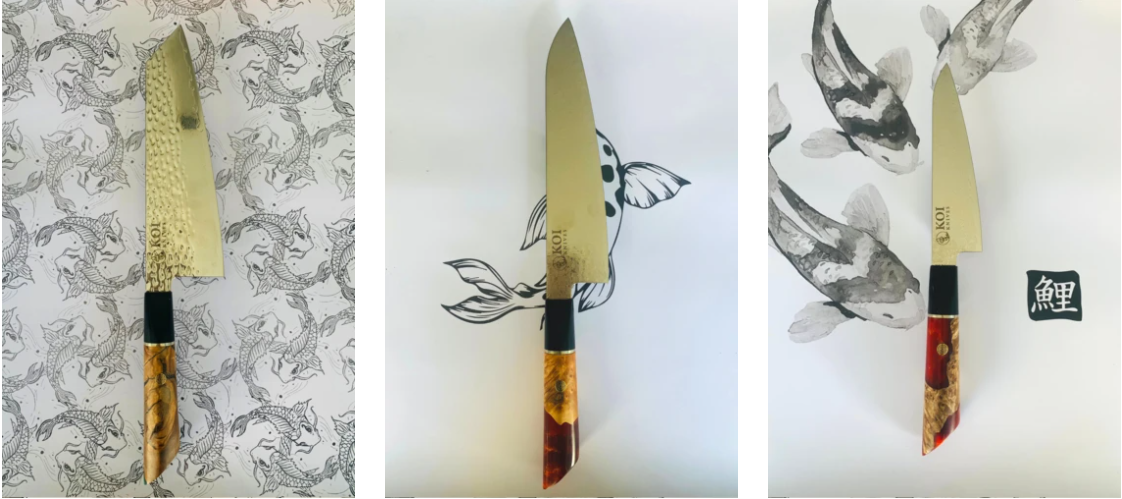
Most Japanese cooking knives are made from high carbon steel. These are some of the best kitchen knives and they do more than slicing through onions. The knives feel balanced when using them, and this means you don’t have to strain to achieve a clean cut. If you are serious about finding the right knife for your needs, a lot of professional chefs recommend Japanese kitchen knives made of high carbon steel.
What is high carbon steel?
High carbon steel makes special kitchen knives and that is why a lot of chefs love knives made of high carbon steel. Any steel knife has some carbon in it. The difference in high carbon knives is that they have at least 0.8%of carbon while ultra-high carbon steel knives have 1.25% to 2%.
The high levels of carbon in these knives create unique knives that give you a unique experience that comes with some cutting advantages. However, it is important to understand that the carbon properties in these knives will require more maintenance and care to keep the knife serviceable.
Pros of high carbon steel
The high levels of carbon in Japanese kitchen knives create a blade that is harder than stainless steel. This is a major advantage and a selling point when it comes to kitchen knives. The blade is harder and more receptive to sharpening. This means that you can work with an extremely sharp edge when chopping using Japanese knives.
Professional chefs in search of a knife companion appreciate how high carbon steel knives change over time. With regular use, moisture and food acids will build a patina on the surface of the knife. This patina acts as a protective layer and makes the knife more beautiful as it adds an iridescent gradient of blue, grey, purple and gold. The unique colour tells the story and experience of high carbon steel knives.
Cons of high carbon steel knives
Carbon steel kitchen knives contain steel and carbon. They have little chromium. The chromium in stainless steel assists with corrosion and rust protection. This leaves carbon steel at a disadvantage when it comes to wear and tear. Also, carbon steel is more brittle and this means that the knife shows more damage and dings when dropped compared to a stainless steel knife.
Taking care of your high carbon knife
Carbon knives may be susceptible to damage and rust when left untreated but if you practice diligent care and maintenance, you can keep your knife sharp and looking great. Make sure you wash your knife immediately after use. After washing, dry it before storing it. This will prevent acid residue and oxidation from water and food from settling into the metal.
Before you put away your high-carbon Japanese cooking knives, you should rub a few drops of mineral oil into the blade. Do it carefully to avoid cutting yourself. The food-grade mineral oil will prevent rust and oxidation. This will help the blade develop a protective layer.