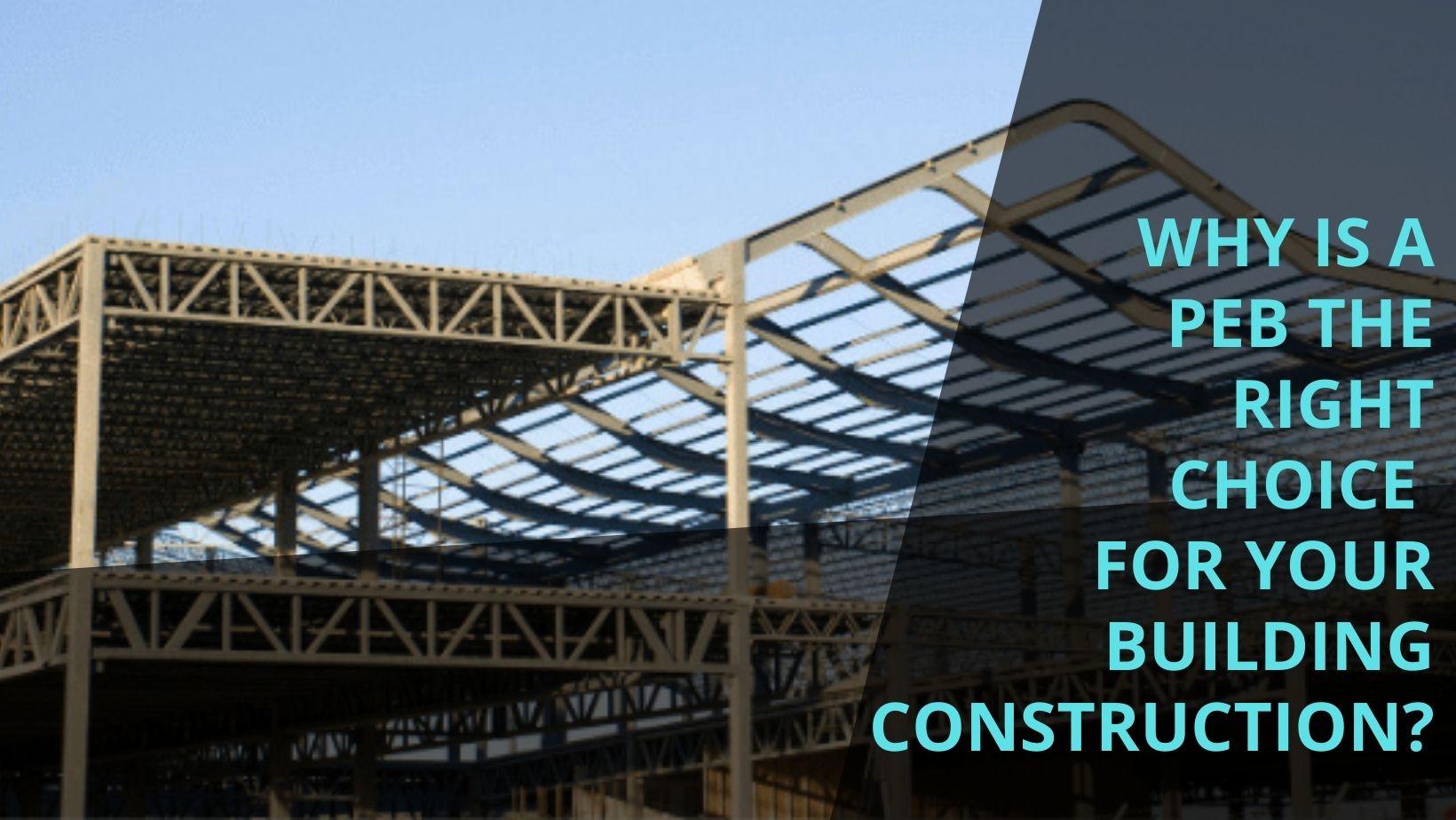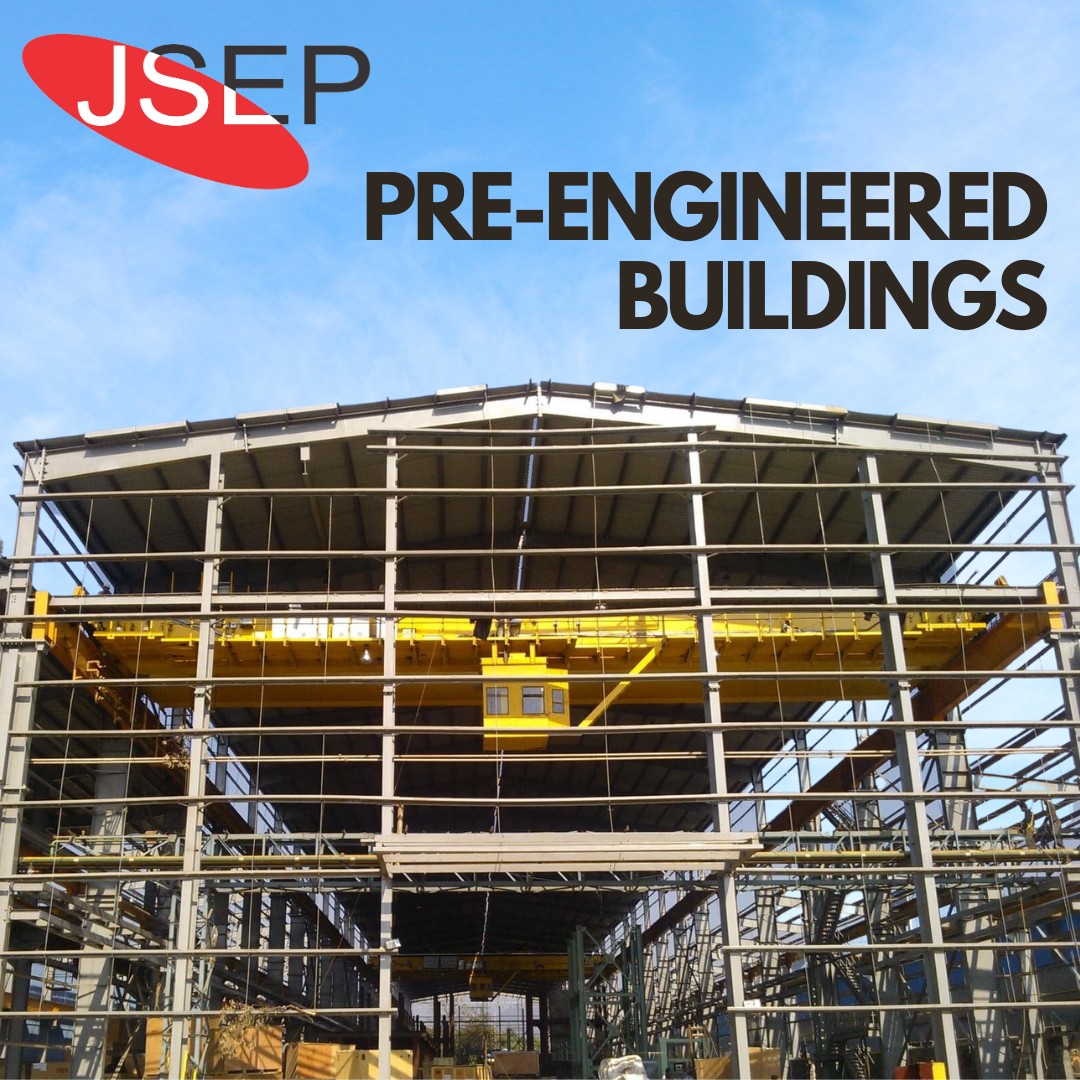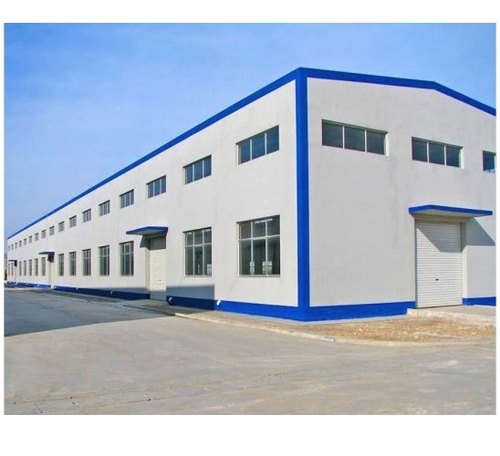
Buildings that are engineered in a factory and erected on site are known as pre-engineered buildings (PEB). PEBs are usually steel structures. Built-up parts are produced to exact sizes in the factory, then brought to the job site and bolted together. This structural concept is commonly utilized to construct industrial buildings, metro stations, warehouses, and other structures.

PEB's capacity to replace the traditional steel building design concept resulted in a number of benefits, including cost savings and easier fabrication. Internally, these types of building structures can be finished to fulfill any function, which is beneficial to low-rise building design. Warehouses, Canopies, Factories, Bridges, and other Pre-Engineered Buildings are examples.
Major Components of Pre-Engineered Steel Building
The major components of the PESB are divided into 4 types-
Primary Components
Primary components of the PESB consist of the mainframe, column, and rafters-
Main Frame
The stiff steel frames of the structure are included in the main framing. Tapered columns and tapered rafters make up the PESB rigid frame. On one side, flanges must be joined to webs with a continuous fillet weld.
Columns
The columns' primary function is to convey vertical loads to the foundations. Columns in pre-engineered structures are constructed up of I sections, which are more cost-effective than others. From the bottom to the top of the column, the width and breadth will continue to grow.
Rafters
A rafter is one of a series of sloped structural members (beams) that extend from the ridge or hip to the wall-plate, downslope perimeter, or eave, and that are designed to support the roof deck and its associated loads.
Secondary Component
Purlins, Grits, and Eave struts are secondary structural members used as support to walls and roof panels.
Purlins and Girts
Purlins are used on the roof; Grits are used on the walls and Eave struts are used at the intersection of the sidewall and the roof. Purlins and girts shall be cold-formed "Z" sections with stiffened flanges.
Eave Struts
Eave struts shall be unequal flange cold-formed "C" sections. Eave struts are 200 mm deep with a 104 mm wide top flange, and a 118 mm wide bottom flange, both are formed parallel to the roof slope. Each flange has a 24 mm stiffener lip.
Bracings
The principal part that ensures the building's stability against longitudinal pressures such as wind, cranes, and earthquakes is cable bracing. The roof and side walls must have diagonal bracing.
Sheeting or Cladding
The base metal of either Galvalume coated steel according to ASTM A 792 M grade 345B or aluminum conforming to ASTM B 209M, which is cold-rolled steel, high tensile 550 MPA yield stress, with hot dip metallic coating of Galvalume sheet, are utilized in the construction of pre-engineered buildings
Accessories
Bolts, turbo ventilators, skylights, lovers, doors and windows, roof curbs, and fasteners are examples of non-structural aspects of buildings that make up the accessory components of a pre-engineered steel building.
Advantages of PEB:
There are many advantages of Pre Engineered Buildings, which are as follows,
The key advantage is quality control, as all structural members are engineered ahead of time, standards from various codes are taken into account, and these components are manufactured in the factory under the supervision of a Quality Control Engineer.
Lower cost due to the saving in design, manufacturing, and on-site erection costs.
Due to the use of software for structural component design, construction time is reduced.
Low Maintenance due to the use of standard quality paints over steel members, which increases the ability to endure and, as a result, lowers the maintenance costs when compared to traditional steel buildings.
Because all of the members are pre-manufactured and skilled labor is required to join the various components, the erection is quick.
Warranty on PEB, mostly warranty period of 20 years given by manufacturers for PEB.
Disadvantages of PEB:
Corrosion / Rusting Sensitive, because if the steel utilized or the paint used to coat steel members is of poor quality, the structure might be damaged, reducing the structure's life.
Insulation Expenses, as insulating the structure to an acceptable standard will increase your construction costs even further.
Appearance, Steel Sections can be unattractive when left exposed.
Learn more about Pre Engineered Building