






Flaxseed and fish oil are both known for their various health benefits. Both flaxseed oil and fish are a great source of omega-3 fatty acids and are shown to improve heart health and reduce blood pressure. So if you are confused between the two, read this post to finally put an end to the Flaxseed Oil Vs Fish Oil debate. We will explain the benefits of both Flaxseed oil and fish oil and also tell you which one is better for you.
What Is Flaxseed Oil?
Flax seeds are loaded with a hearty dose of protein and fiber. The stellar nutrient profile of flax seeds comes with various health benefits but they are popularly known for aiding in weight management.
Flaxseed oil, also known as linseed oil, is produced by cold-pressing dried flax seeds. You can consume the oil but a large number of people prefer the Flax Oil capsules as they are easier to take and don’t have any aftertaste.
What Is Fish Oil?
Fish oil is another popular dietary supplement and it is produced by extracting and collecting oil from fish tissue. In most cases, fatty fishes such as herring, mackerel, or tuna are used to produce fish oil as they are rich in omega-3 fatty acids.
According to the American Heart Association (AHA), every individual should eat a variety of fish at least twice a week to get essential fatty acids. However, eating fish regularly is not feasible for many people and they prefer taking fish oil supplements.
Most fish oil supplements provide you with 1,000 mg of omega-3 fatty acids, and some may contain additional nutrients.
What Are The Benefits Of Flaxseed Oil?
- Flaxseed oil is a great source of omega-3 fatty acids. As a matter fact, one tablespoon of flaxseed oil provides you with 7,196 mg of omega-3 fatty acids. And omega-3 fatty acids are proven to improve heart health, reduce inflammation and slow down ageing of the brain.
- A few animal and test-tube studies also indicate that the regular consumption of flaxseed oil may help in reducing the growth of cancer cells in the body.
- Flaxseed supplementation can significantly lower blood pressure levels by increasing the elasticity of the arteries.
- A recent study indicates that flaxseed oil can be beneficial in both constipation and diarrhoea.
- Human studies show that supplementing with Flaxseed oil or capsules can be beneficial for the skin and can also help in treating dermatitis.
- Flaxseed oil reduces levels of C-reactive protein, which is marker that indicates inflammation in obese people.
What Are The Benefits Of Fish Oil?
- Regular consumption of fish oil can increase the levels of HDL (good) cholesterol.
- Fish oil supplements are shown to lower triglyceride levels by 15–30%.
- Our arteries can lose their natural elasticity over time due to plaque buildup. Fish oil can stabilize the plaques in people who already have them.
- Fish oil supplements may help people with mental health conditions like bipolar disorder, schizophrenia and psychotic disorder. However, we need more human studies analyzing the effects of omega-3s on mental disorders.
- People who consume fish oil regularly have lower risk of developing eye diseases.
Which Oil Is Better?
Flaxseed oil and Fish oil are both good for your overall health and brain function. There is a lot of research that backs the health claims of both. However, while each oil has its own benefits, when it comes to shared benefits, flaxseed oil outperforms fish oil.
Another advantage of flaxseed oil is that it can be taken by vegetarians. On the other hand, fish oil is avoided by vegetarians for obvious reasons.

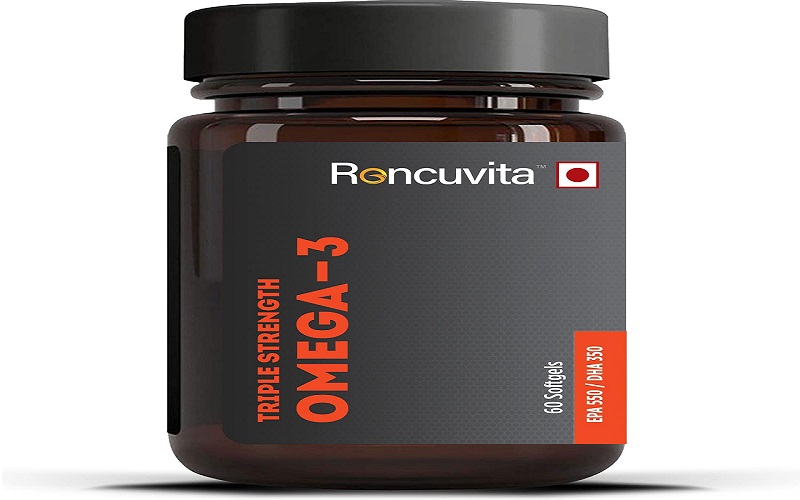
Fish oil should not be confused with EPA, DHA, cod liver oil, flaxseed oil, krill oil, or shark liver oil.
There are separate listings for these ingredients.
You can buy the best fish oil capsules at beat prices in India from Amazon.
You are just a click away to get the Best fish oil capsule and that too at the best price.

Floral herbs contribute to the welfare of society in significant ways.
The traditional health usage of the plant is for the treatment of sore throats, hemorrhoids, bruises, and digestive issues.
The Primrose Capsules might help to reduce high blood pressure, nerve pain, and hot flashes.
The bioactive nutrients of these proteins help in strengthening digestion and providing gut lining nourishment.
These ingredients ferment in small batches with the use of enzymes and bacterial cultures.
The fermentation stops on reaching the “sweet spot” followed by drying and testing for quality measures.The flax seed oil is also called linseed oil or flax oil.