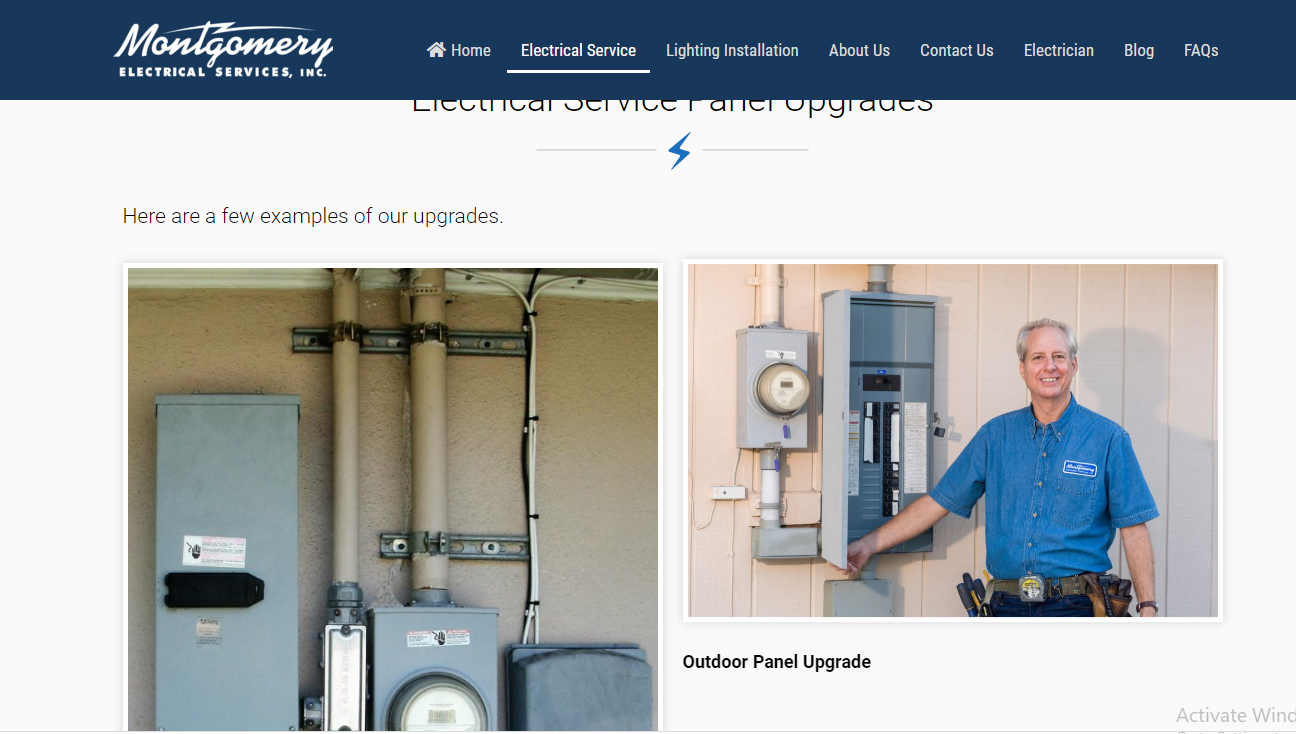
An Electrician is a professional who installs, repairs, and maintains electrical wiring in a variety of environments. This may include buildings, transmission lines, and stationary machines and equipment. Electricians also install new electrical components and perform preventative maintenance to maintain the integrity of existing electrical infrastructure. They are a crucial part of a variety of industries.
To become a successful Electrician, you must have an extensive understanding of electrical systems. A good color vision is necessary to properly identify wiring. Wire insulation is typically marked with special colors. You can learn to identify wire colors by reading wiring schematics. Good problem-solving skills are also needed to solve electrical issues. An electrician should also be physically strong and have great stamina.
Those who are seeking a career in electrical engineering may wish to enroll in a formal apprenticeship program. Apprenticeships typically last four or five years and combine classroom training with intensive on-the-job training. For those who wish to enter the electrical industry without college education, there are also two-year associate's degree programs.
New York state requires a license for Electrical Panel workers. Electricians in New York can obtain their license through the department of buildings of their city. In New York, electricians must pass a written exam. This test is made up of multiple-choice questions. A pass mark is 70% or higher. A practical exam is also required. The results are normally mailed to applicants within three or four weeks.
Electricians work in a wide variety of settings. While some are self-employed, many elect to join unions. The largest union is the International Brotherhood of Electrical Workers, which has hundreds of thousands of members worldwide. An Electrician who joins a union will pay dues to the union and participate in union meetings and negotiations.
As the electrical industry continues to evolve, electricians must keep up with the latest technologies. For example, solar energy is becoming popular and electricians may be called on to install solar panels on roofs. Other new technologies, such as fiber optic cables, are constantly evolving and creating new challenges for electricians. Adapting to new environments and situations is necessary to ensure safety and efficiency.
The workplace can be hazardous for electricians, requiring the wearing of safety gear. Electricians often work in confined spaces or with live electrical wires. In addition to wearing protective clothing and eyewear, electricians also need to wear hearing protection. Some electricians may also be required to attend continuing education courses, including classes in safety.
A career as an electrician can be highly rewarding. Aside from installing and maintaining power systems, electricians can also install and repair lighting systems. Most provinces require electricians to be certified, which shows potential employers that they are qualified and capable of doing the job. A four to five-year apprenticeship program leads to a journeyperson certificate. Once certified, electricians can then apply for the Interprovincial Electrical Exam. After passing this exam, they can apply for the Red Seal of Interprovincial Standards.