

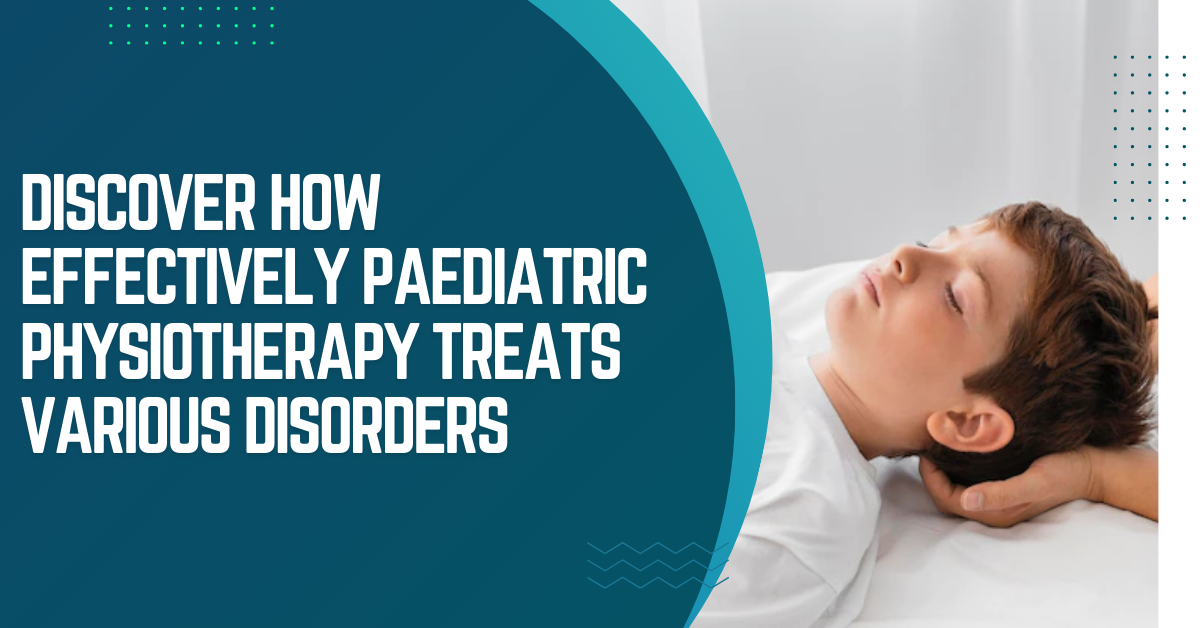
hysiotherapists that specialize in paediatrics offer support and medical care to the paediatric age group. They are aware of how much younger people differ from grownups. These medical practitioners are well-versed in typical child development and how it connects to numerous physiological systems and actions. The basic goal of children physiotherapy is to deliver youngsters complete functionality so they can achieve great things, promote healthy lifestyles, and live healthy, happy lives.
What conditions can be treated with pediatric physiotherapy?
Children must consult a licensed physiotherapist for a variety of issues. If your child has imbalance while crawling, walking, running, or performing any other activity, as well as speech difficulties or any other symptoms, you should seek treatment as soon as possible from a professional physiotherapist. The following is a list of some of the serious problems that paediatric physiotherapy may address.
● Cerebral Palsy: Movement, posture, and balance are all impacted by the illness. In this situation, a youngster finds it challenging to walk normally or activate his muscles. Brain injury caused by childbirth or abnormal brain development is known as cerebral palsy. When the brain is injured during development, the physical muscles cannot be coordinated. Children physiotherapy can lessen the detrimental effects of soft tissue alterations such as muscle stiffness and joint damage. It's also crucial to remember that early treatment enables the physiotherapist to personalize treatment for your child's changing requirements as they grow.
● Posture: Early intervention is essential if your kid is showing signs of having a hunchback or has poor posture. Children's body posture is improved by breathing techniques that focus on the centre and alignment of the body. Additionally, youngsters are trained to sit when using computers, watching television, and studying. The guidance from the professional’s aids in your child's overall progress.
● Torticollis: Torticollis is a disorder that causes your child to prefer staring and favouring neck movement in one direction due to shortened neck muscles. If neglected, this can have major consequences on how the skull develops, leading to facial abnormalities, cranial malformations, and delays in the development of gross motor skills. Children's physiotherapy aids in enhancing neck mobility, which prevents the head from flattening. You may protect your infant from these issues with the right physiological care.
● DCD: When the movement abilities are impacted, it is referred to as developmental coordination disorder, or DCD, in medical. DCD often appears in school-age children. Your child may struggle to complete daily tasks or do them slowly as a result of DCD. A rehabilitation facility can help the DCD youngster. A youngster with DCD might benefit from regular mobility exercises, coordination drills, and other therapies.
Benefits of at-home paediatric physiotherapy
Utilizing home physiotherapy services enables the child's family to monitor the healing process and determine whether or not the infant is receiving appropriate physiotherapy treatments. Multiple visits to the physiotherapist are required for physiotherapy; for this reason, at-home physiotherapy is beneficial.
a) The youngster has the dual stress of navigating a strange place and strange people. For kids with particular disabilities, this stress manifests in many different ways. This tension is taken away by a home visit.
b) The young patient must make time to go to the clinic. It might be challenging for the carers to transport a sick kid to the physiotherapy clinic. The kids are exhausted from the journey as well. Both the kid and their caregiver waste a lot of time travelling to and waiting at the clinic. At-home children's physiotherapy eliminates the need to go to the clinic, saving time and energy.
c) In the workplace, healthcare practitioners are always engaged with a variety of tasks. They can better concentrate on the youngster when they go to the kid's home.
Conclusion
Children who receive physical therapy are better able to develop their gross motor abilities and functional mobility. By correcting any muscular imbalances or weaknesses and assisting young athletes in making a full recovery from injuries, children physiotherapy also aids in injury prevention. Physiotherapy may be a vital preventative step in addition to offering a safer method of growth and strengthening.

In this video, we show you how to work smarter, not harder in your business.
Farzana will show you how we manage our business and how we use Asana to keep everything running smoothly as well as sharing some of her top tips on managing your diary.