




Many women experience severe mood fluctuations following childbirth. You may feel elated one minute and then burst into tears the next. Postpartum depression refers to the phenomenon of unusual emotional ups and downs following childbirth. Some women may have trouble sleeping, concentrating, or even having an appetite. These symptoms commonly appear three to four days after birth and might linger for several days or weeks. Please understand that you are not alone.
Postpartum depression affects around one in every seven women in the United States. Seeing your doctor is the most effective approach to identifying and treating your PPD. You will be given a plan that is unique to you and will result in the greatest potential outcome. There are also a few things you may do at home to help you cope with your daily life.
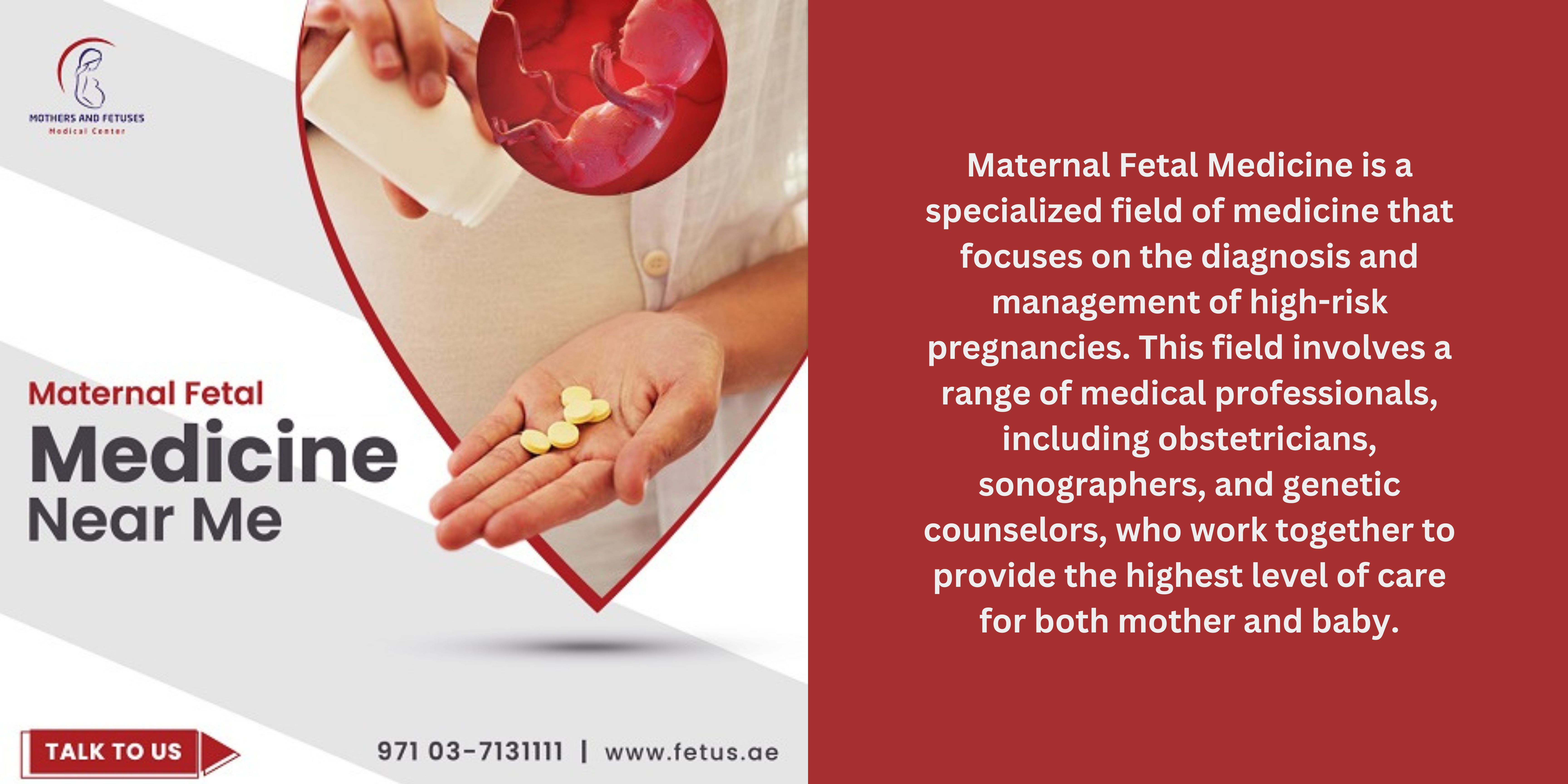
Maternal Fetal Medicine
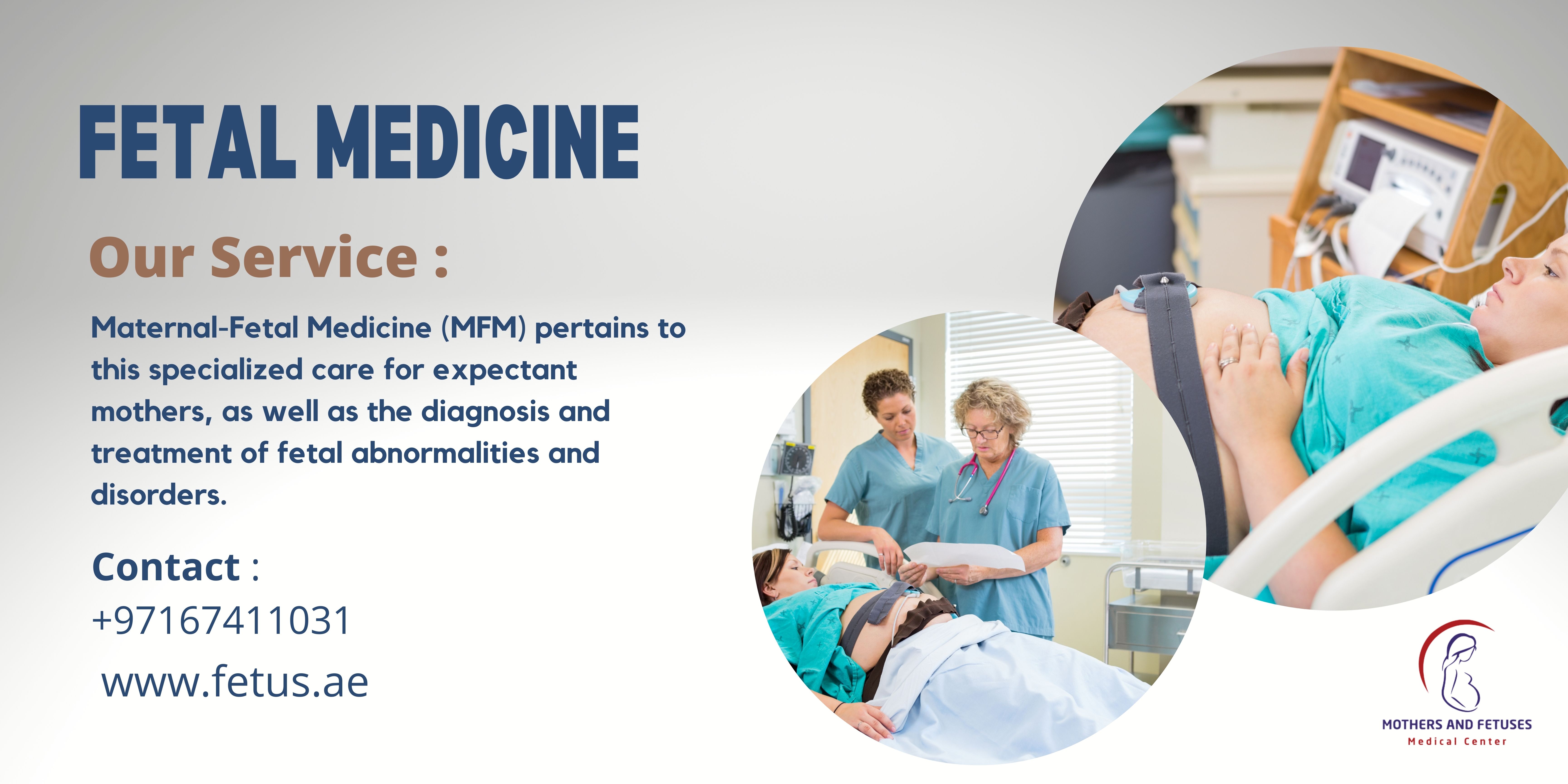
Maternal–fetal medicine, commonly referred to as perinatology, is a subspecialty of obstetrics and gynecology that manages the health concerns of the mother and the fetus before, during, and shortly after pregnancy. It is also sometimes referred to as obstetric perinatology. Obstetricians who have further specialized in the area of maternal fetal medicine are known as maternal fetal medicine specialists.
Hobbies
It's tempting to think of oneself as "simply a mom" in the early days, weeks, months, and even years of parenting. You may feel an overwhelming duty to always prioritize your child or children, believing that this is the best possible path to becoming a "supermom." Maintaining pre-motherhood activities or establishing new ones, on the other hand, allows you to escape the chaotic pattern of life and remain faithful to the woman you are away from motherhood.
Choose what makes you feel the most like yourself, whether it's painting, yoga, photography, or simply reading. Just because a new life is born does not imply you should abandon your own. You're more than "just a parent," and your passion and personality ought to shine while you care for your child or children.
Sunlight
Sunlight is an excellent way to help your body manufacture Vitamin D, a crucial nutrient that fights depression in all forms. It is not necessary to spend hours in the sun to notice the effects. Even only 30 minutes might start to brighten your emotions. (Always apply sunscreen to yourself and your baby!) Of course, if you live in a colder region, you won't be able to bask in the sun as pleasantly as you would in warmer months. In this instance, a Vitamin D supplement will suffice. Always with your doctor before taking any supplements to ensure that they will not interfere with any other prescriptions you are taking.
Sleep
You need to sleep, even if it seems impossible right now. If you aren't getting enough sleep, you may be more prone to postpartum depression. Sleep deprivation can lead your brain to overwork itself, resulting in increased mood swings. If possible, ask your partner if they can assist you a couple of nights a week. Take advantage of any moments when your child is sleeping. When the baby naps, mommy should sleep as well. Housework and other tasks can be postponed until your energy levels have returned to normal.
Me Time
When you have a kid, your usual life continues – in fact, your life may seem extra full and chaotic. You're juggling feedings, housework, work, or other children. It's easy to think of oneself as a superwoman and accomplish everything yourself. However, there is no shame in seeking assistance. Request a few hours of babysitting from a friend, sibling, or in-law every now and then. Those few moments of assistance will seem like a great weight has been lifted from your shoulders. In addition, set aside some time each week to focus on yourself. De-stress by going for a stroll, napping, watching a movie, or meditating.
Exercise
While exercise is important in normal life, it is more important when coping with PPD. Exercise helps enhance blood flow to the body and brain, allowing you to think more clearly and release endorphins. Even if it's difficult to get out of bed some days, that's all the more incentive to get up and take care of your body. The more you exercise, the more energy you will accumulate and the better you will feel. A quick jog or walk will assist your brain to begin to release endorphins. Please check with your doctor before beginning any physical activity to verify you are healthy enough to begin.
Maintain a Healthy Diet
Clean eating is merely another technique for dealing with PPD. It isn't a panacea, but it does assist. By developing the habit of consuming foods that properly nourish your body, your body will begin to absorb the vitamins and minerals it requires. Whole foods like spinach, carrots, apples, and peanut butter are high in nutrients and will keep you going throughout the day. If you don't have time to make a full, sophisticated breakfast, a smoothie loaded with kale and strawberries will do wonders for your gut.
Furthermore, many women prefer fish oils since they are high in Docosahexaenoic acid (DHA) and other omega-3 fatty acids. Lower DHA levels in women are associated with an increased risk of postpartum depression. You can get your intake through supplements or seafood. Make sure to contact your doctor before increasing your DHA dosage.
Postpartum depression can feel endless and isolating at times, particularly if you have a lot on your plate. However, it is critical to remember to take care of yourself and to realize that you are not alone. Thousands of women all around the world have suffered with PPD. So give yourself credit where credit is due and keep going. As usual, ask for assistance. Discuss your situation with your loved ones and with your doctor. The route may appear to be dark, but it is not a dead end.
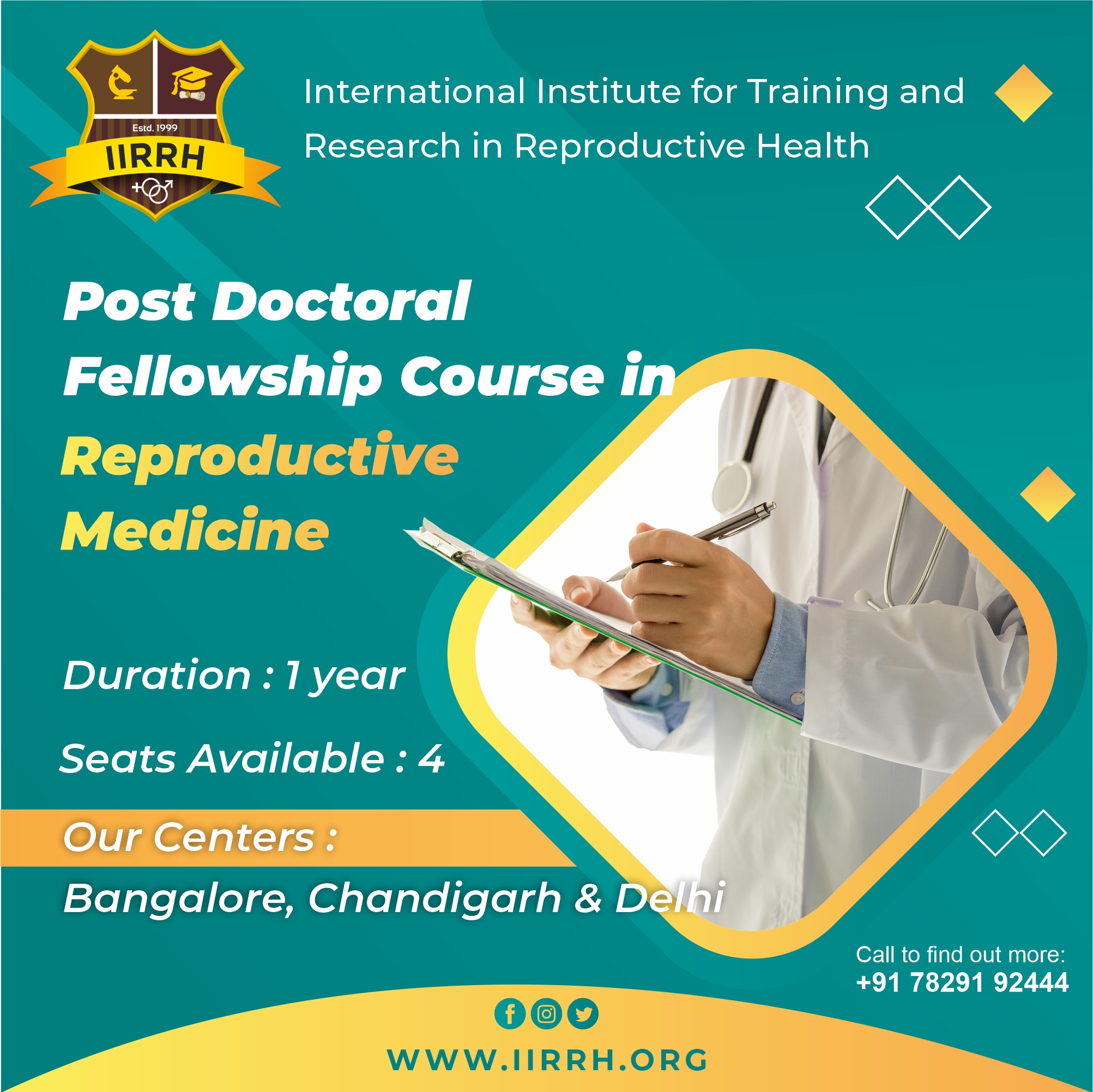
Know more about the infertility institute in India - IIRRHIIRRH is an educational institute that was started with the mission to train young minds in the interest of evolving the understanding of reproduction in humans, infertility, and feto-maternal reproductive medicine.
IIRRH also offers post-doctoral Maternal Course - Fetal Medicine Course, Fellowship degrees in Reproductive Medicine.
IIRRH also has a best Ph.D. programs and sessions in Reproductive Medicine Technology as well as short and long term training programs for clinicians.How IIRRH will guide you with the best training in Reproductive medicine?Infertility has become a serious issue and it losses the hope of each couple looking to conceive and it affects both physically as well as emotionally.
We build a correct plan for Fellowship in Reproductive medicine treatment that is watchful of the emotional and lifestyle needs of patients.
One of the best features of the fertility is our multi-disciplinary methods and tactics for patient treatment, as well as our trusted experience in providing treatment options for difficult cases.List of many courses offered by IIRRH:Andrology courseCounselling courseEmbryology courseInfertility observer programBasic infertility courseICSI Course.Add on profits from IIRRH to students: Our online teaching for different courses was a great success.
We have come across many such reviews and great replies from the scholars who have successfully completed their training at India’s best institute - IIRRH.Students will obtain all the materials for their training purpose.Students can acquire a certificate of attendance after completion of the courses.You may also contact us for any course details, registration process, any time @ +91-7829192444, Visit www.iirrh.org or mail us: info.iirrh@gmail.com