

GPS head up displays, also known as HUDs, have become increasingly popular in recent years for their ability to project important navigation information directly onto a vehicle's windshield. This technology allows drivers to keep their eyes on the road while still accessing crucial driving information, making it a safer and more convenient alternative to traditional in-dash navigation systems. In this article, we will explore the various benefits and usages of GPS head up displays, including their ability to improve driving safety and efficiency.
How GPS HUDs work
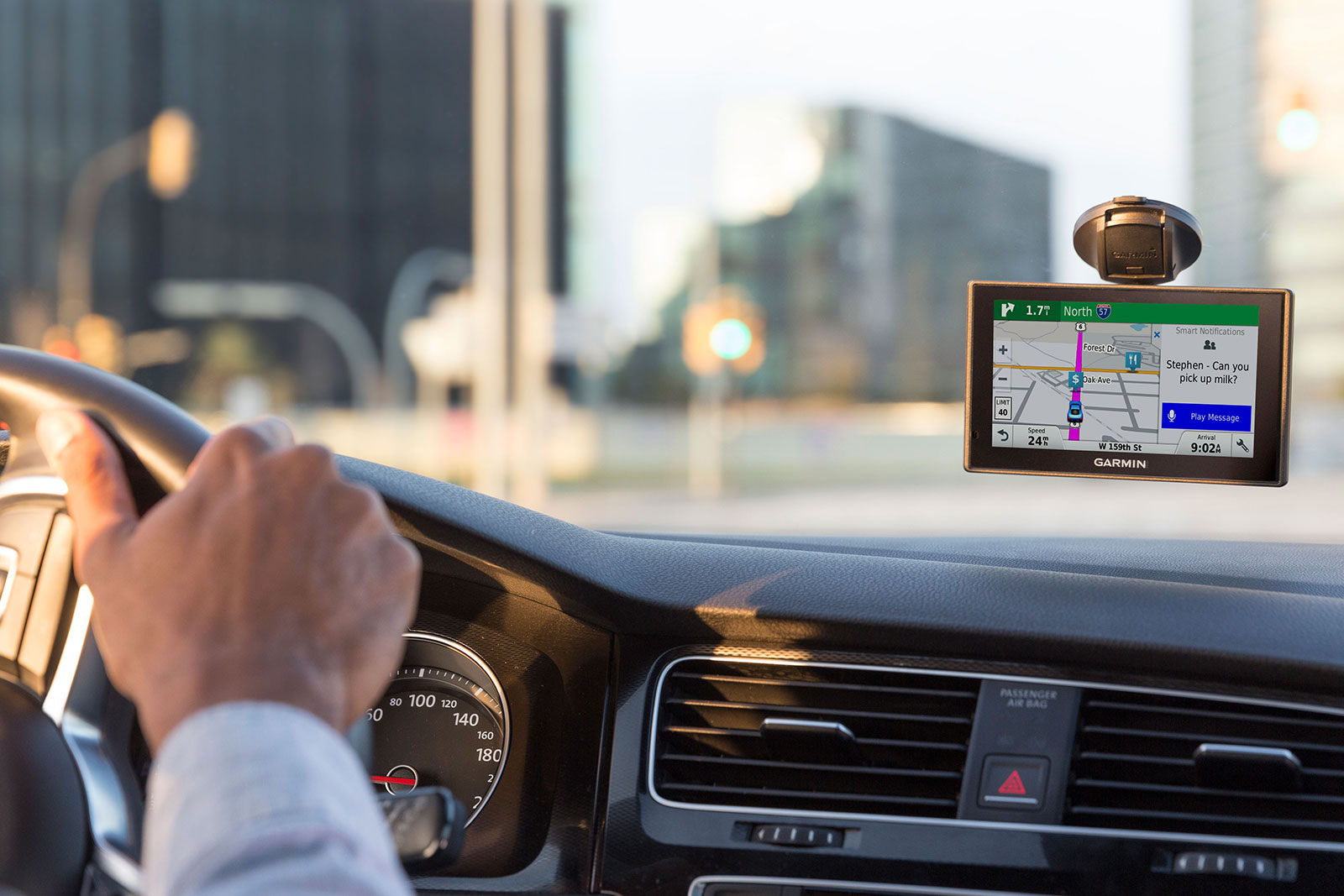
GPS HUDs work by using a small projector to display important navigation information onto the windshield of a vehicle. This information is usually displayed in a small box or rectangle on the lower portion of the windshield, allowing the driver to see it without having to look away from the road.
HUDs use a combination of GPS technology and onboard sensors to determine the vehicle's location and speed, as well as the location of nearby points of interest. This information is then displayed on the windshield in real-time, along with turn-by-turn directions and other useful driving information such as the speed limit and estimated arrival time. Some HUDs also have the ability to display notifications from a smartphone, such as incoming calls or text messages. This allows drivers to stay connected and informed while on the road without the distraction of looking at their phones.
Finding the best routes
One of the main benefits of GPS HUDs is that they provide turn-by-turn directions to help drivers navigate to their destinations as efficiently as possible. This can be especially helpful in unfamiliar areas, when driving through heavy traffic, or for an upcoming road trip, as the HUD can provide real-time updates on traffic conditions and suggest alternative routes if necessary.
In addition to providing turn-by-turn directions, many GPS HUDs also offer features such as lane assist and live traffic updates to help drivers make informed decisions about the best route to take. Lane assist can show drivers which lane they need to be in to make their next turn, while live traffic updates can alert them to any delays or congestion on their route. This can help drivers avoid getting stuck in traffic and arrive at their destination more quickly and efficiently. Overall, GPS HUDs are a valuable tool for helping drivers find the best routes towards their destinations, whether they are driving in a familiar area or exploring new territory.
Improved driving in low visibility conditions
GPS head up displays can be particularly useful for displaying the road and oncoming vehicles even when the driver can't see them due to fog or bad weather conditions. Many HUDs are equipped with a camera that captures a live video feed of the road ahead, which is then displayed on the windshield in real time. This allows the driver to see the road and any oncoming vehicles, even when visibility is poor due to fog or other weather conditions.
In addition to displaying a live video feed of the road, an advanced GPS Head Up Display may also offer features such as lane departure warning and collision avoidance to help drivers stay safe in low visibility conditions. Lane departure warning can alert the driver if they begin to drift out of their lane, while collision avoidance can use radar or other sensors to detect potential collisions and alert the driver to take evasive action. These features can be especially useful in foggy or rainy conditions when it can be difficult to see the road ahead and any oncoming vehicles.
GPS HUDs can be adapted to most cars
HUDs can be adapted to most cars, making them a versatile and convenient navigation tool for a wide range of drivers. There are several different types of HUDs available on the market, each with its own set of features and compatibility requirements.
For example, some HUDs are designed to be mounted on the dashboard or windshield of a car and connect to a GPS navigation system or smartphone to access navigation information. These HUDs are typically easy to install and can be used with any vehicle that has a compatible GPS device or smartphone. Other HUDs are built into the car itself and can be accessed through the vehicle's infotainment system. These HUDs are typically more expensive and may only be available on certain car models, but they offer a more seamless and integrated navigation experience.
GPS HUDs can be adapted to most cars, making them a convenient and useful navigation tool for a wide range of drivers. Whether you are looking for a standalone HUD that can be easily installed on any vehicle, or a more integrated solution that is built into your car, there is likely a HUD that will meet your needs and budget.
Conclusion
In conclusion, GPS HUDs can provide drivers with numerous benefits, whether they’re driving professionally or just trying to go from point A to point B. With this technology, driving in bad weather conditions or excessive traffic will be made much easier, and the risk of accidents will be reduced significantly.