

Getting an Early Childhood Education degree is a great way to get the career you've always dreamed of. This is especially true if you have a love for children and are willing to put in the work to ensure their safety and well-being. Here are a few things to keep in mind when you are planning to enroll.
Courses you'll take
Early childhood education programs are designed to develop your skills in teaching and supervising young children. This can lead to a variety of careers. There are four major paths through which you can get an early childhood education degree. These include bachelor's, master's, doctorate and specializations.
Typically, the bachelor's program takes around four years to complete. However, some state programs allow you to obtain a license without having a specific focus on early childhood education.
The Master of Education (MEd) is an advanced degree, usually completed after a bachelor's. It is typically less time-consuming than a bachelor's degree, and may lead to greater opportunities. For example, some MEd students specialize in educational administration, technology, organizational leadership or curriculum and instruction.
If you aren't sure what to study, there are several online options. Most programs feature courses that can be accessed via a variety of digital platforms, including Skype, Zoom, and discussion boards.
An online degree in early childhood education requires a computer with Internet access, a word processing program, and a web browser. Some schools also provide a proprietary learning management system.
Career opportunities
Educators who work with young children have a variety of opportunities. Many of these jobs are well-paying and rewarding. But before you apply for one, you should do your homework.
Depending on your desired workplace environment, you may have to take a test or complete a certain number of hours of training. For example, you might have to pass a background check and receive CPR/first aid certification before you can start working with kids.
In addition to preparing for the job, you might also consider taking some postgraduate courses. These can include things like postgraduate degrees in social work and nursing.
An education consultant is someone who provides advice and information to government officials, childcare organizations, and private clients. Their advice might include developing regulations or policies, promoting child development, or designing programs.
Another important role of an early childhood educator is creating a learning environment that is both safe and enjoyable. For preschoolers, this might mean working with an outdoor play area.
Requirements for a degree
An early childhood education degree program can help you get a career that will make a difference in the lives of children. The field of early childhood education is growing at an average rate of 6% between now and 2021. Whether you want to teach kindergarten or work with children with special needs, there are many jobs available.
You can start earning your early childhood education degree at an associate's level. These programs usually take three to four years to complete. After you graduate, you can start a career as a classroom teacher. Alternatively, you can pursue a bachelor's degree. Regardless of which you choose, you will need to meet certain requirements.
A bachelor's degree requires 120 credits. Most of these credits will come from your coursework, while some will come from your field experience. In addition, you may also need to earn a teaching license, which will require additional coursework.
Some early childhood education degrees include student teaching. This course provides students with the opportunity to experience the classroom environment first hand and is an excellent way to learn more about the field. Students will also develop relationships with local teachers.
Pay
Providing quality early childhood education and care is an integral part of a child's success. It also helps reduce the likelihood that a child will become a criminal. However, there are significant barriers to expanding access to programs.
States are increasingly patching together aid from various sources to fund early education. In a bid to increase participation in the program, many have started to restructure their existing systems.
One of the primary concerns of those trying to expand access to preschool is the high cost of services. As of last year, early childhood education fees were already the fourth most expensive in the world.
To address this concern, several states have increased their spending on child care subsidies. They are also tapping new revenue sources. Some are looking to pass constitutional amendments to help support programs. These efforts are backed by the business community.
A number of states have also enacted lottery-based programs to pay for universal prekindergarten. The Georgia state government began such a program in 1995.

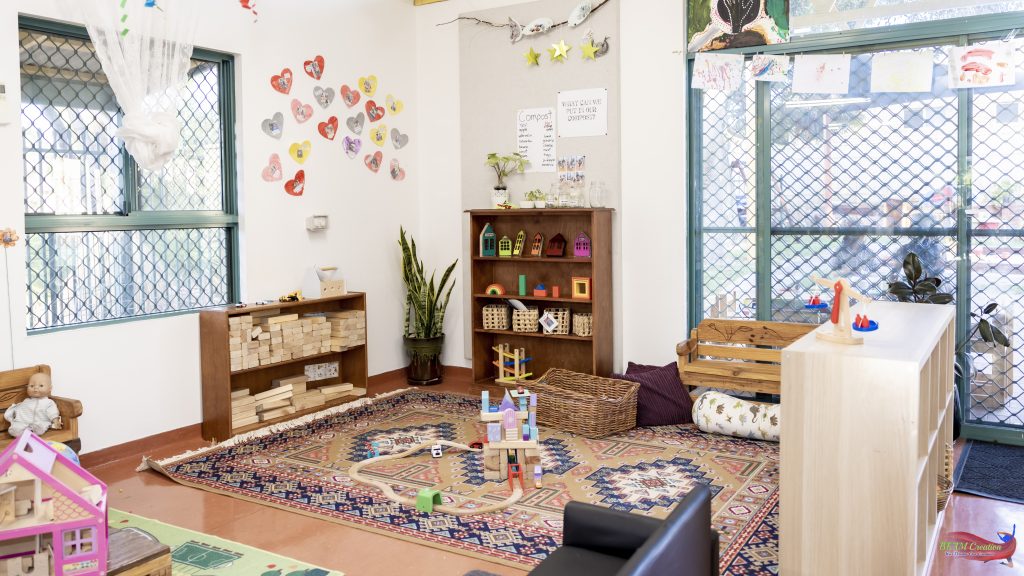

LITTLE STARS CHILDCARE AND KINDERGARTEN: best child care centre near me presents you an unparallel child care experience along with children’s early education and overall growth in a homely atmosphere.
Qualified staffs are always here for taking care of your children’s overall growth.
We understand that placing your child in someone else’s care is an important decision that most parents have to make.
The first five years are very important for a child’s growth.
So it is necessary for the parents to keep them in a kindergarten in order to help them learn new things and develop their own identity.Parents want that their child grows well, gain all the knowledge that a child should and remain active.
So the kindergarten like Little Stars Kindergarten in Endeavour Hills is the best option for the parents to get their child admitted and help them grow and develop fast.