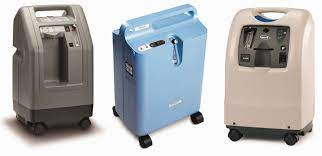
Home oxygen concentrators are machines that provide oxygen to those who need it for medical conditions such as COPD and other lung diseases. These machines provide a safe, convenient, and cost-effective way of getting oxygen at home. In this guide, we will cover what oxygen concentrators are, the benefits they offer, how to select the right one, and the important maintenance and care that goes into keeping them running properly. With the right information, you can make an informed decision on the right home oxygen concentrator for you.
What is a Home Oxygen Concentrator?

A home oxygen concentrator (HOC) is a medical device used to provide supplemental oxygen to people who require oxygen therapy. It works by efficiently taking in ambient air, purifying it, and then delivering the oxygen-enriched air directly to the user. Home oxygen concentrators are a cost-effective and convenient way to provide constant supplemental oxygen to people who are unable to get enough oxygen from the air around them. They can be used in the home, office, or other locations and provide a safe, reliable, and easy way to provide supplemental oxygen to people with a variety of medical conditions.
● With the comfort and convenience of home, oxygen therapy is made available through these oxygen concentrators.
● Home oxygen concentrators, which are also known as stationary oxygen concentrators, are intended to remain stationary, in contrast to portable oxygen concentrators.
● The cost of a home oxygen machine can range from $500-$2,000, however, Medicare and insurance may help defray some of the expense.
● Renting or buying a used home oxygen system will offer you a lower price.
Benefits of Home Oxygen Concentrators
A home oxygen concentrator can deliver continuous oxygen without the need to replenish any batteries, while a portable oxygen concentrator can help you stay active if you require extra oxygen while traveling. The oxygen flows continuously with continuous flow oxygen therapy, which is provided by the majority of oxygen concentrators. Your prescription and unique demands will determine which continuous-flow oxygen concentrator is ideal for you.
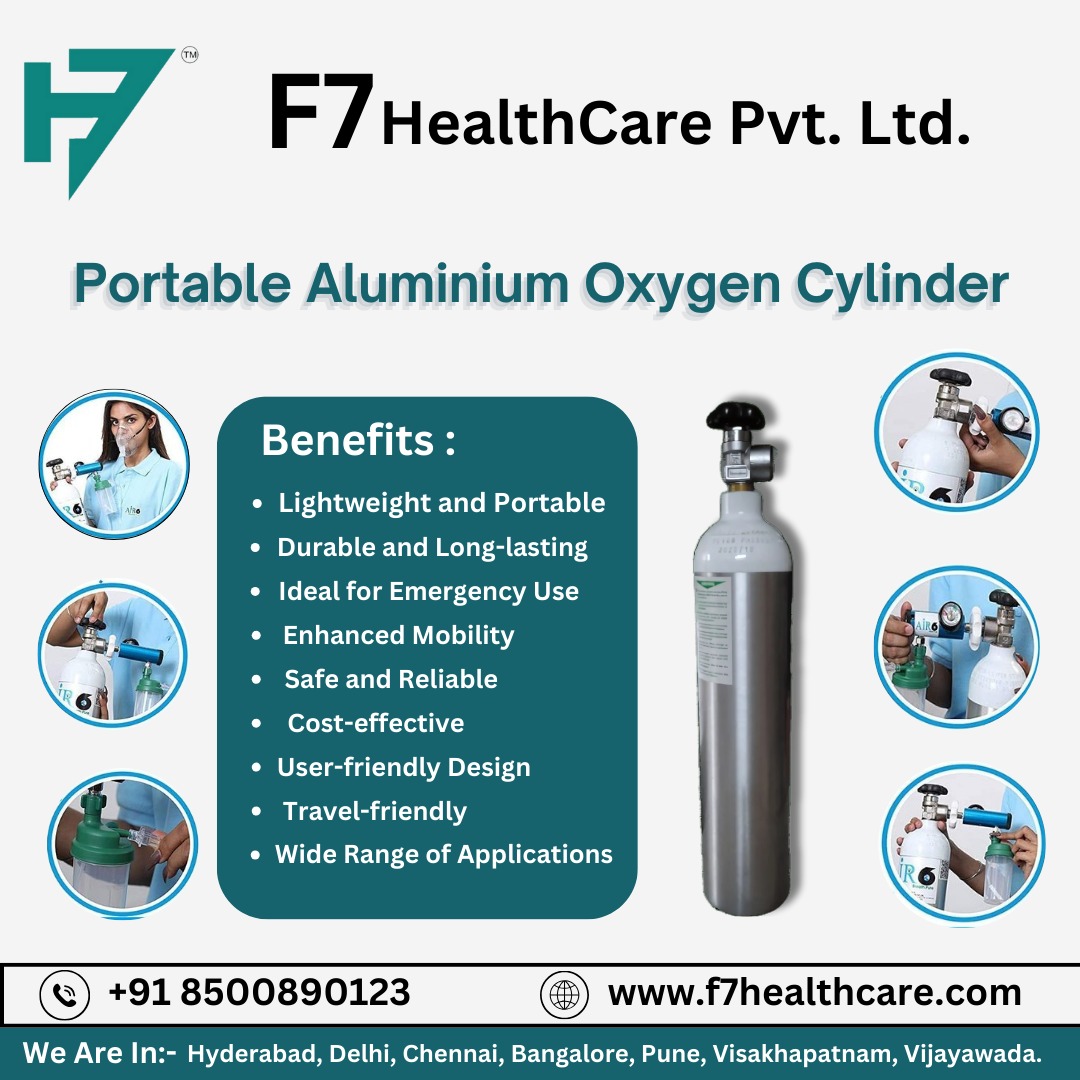
These oxygen concentrators are beneficial for those who need supplemental oxygen but do not want to rely on liquid oxygen or oxygen tanks. These devices are extremely convenient, providing on-demand oxygen at the touch of a button.
● The oxygen concentrators filter out nitrogen from the air and produce oxygen-enriched air, allowing users to breathe easier and comfortably.
● Additionally, home O2 concentrators are generally easier to maintain than oxygen tanks, as they require less maintenance and require less storage space.
● Furthermore, HOC is a cost-effective solution for many, as they are generally more affordable than tanks. With all these benefits, it is no wonder why home oxygen concentrators are becoming increasingly popular.
How to Select the Right Home Oxygen Concentrator
Selecting the right home oxygen concentrator for your needs can be a complex process. It is important to consider a variety of factors when selecting the best home concentrator for you. According to research and expert interviews, we came to the following conclusions on what you should look for in a home oxygen unit:
● Some of the main components to consider are the size and weight of the concentrator, the oxygen flow rate, and the noise level.
● Additionally, you should consider the cost and availability of replacement parts as well as the warranty on the product.
● It is also important to research the different types of oxygen delivery systems to ensure that you select the best option for your needs.
By taking the time to research and compare the various options, you can ensure that select the home oxygen concentrator that best meets your needs.
Maintenance and Care of Home Oxygen Concentrators
The use of home oxygen concentrators can be beneficial for patients who require supplemental oxygen therapy at home. However, proper maintenance and care of the oxygen concentrator are necessary in order to maximize its efficiency and lifespan.
Regular cleaning and filter replacement are essential for a home oxygen concentrator to function optimally. Additionally, it is important to inspect the concentrator's hoses, cannulas, and other components for signs of wear and tear.
If any issues are identified, the concentrator should be serviced or repaired by a qualified technician. Following these simple steps will ensure that your home oxygen concentrator functions safely and effectively for years to come.
Conclusion
When it comes to improving your quality of life and managing your oxygen needs, these oxygen concentrators are the perfect solution for you. With the right knowledge, you can make an informed decision on the best oxygen concentrator for your lifestyle and needs. Keep in mind that understanding the benefits, knowing how to select the right home oxygen concentrator for you, and knowing how to properly care for your device are all essential parts of the process. With the right home oxygen concentrator, you can take control of your health and enjoy a more active, independent lifestyle.