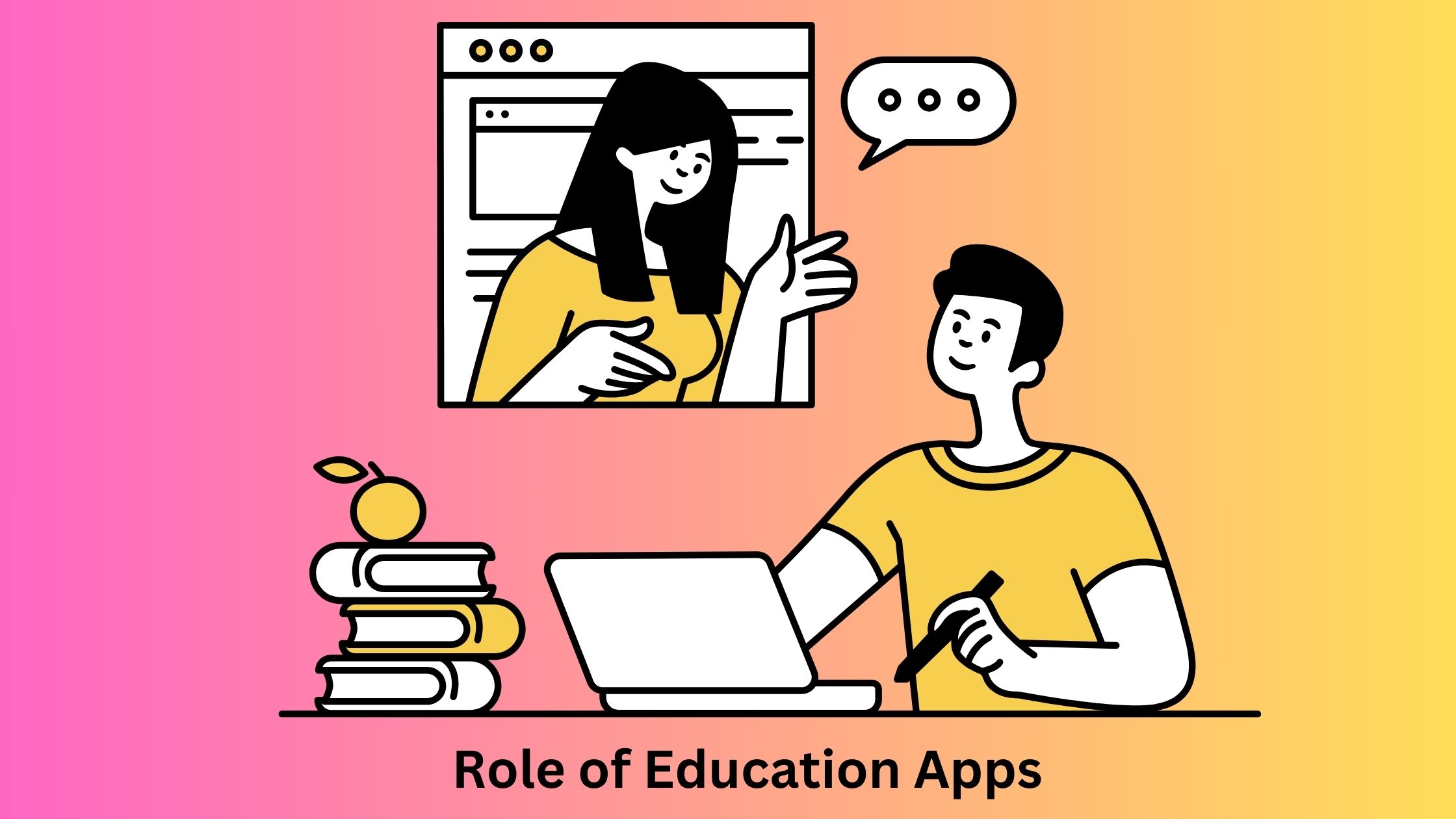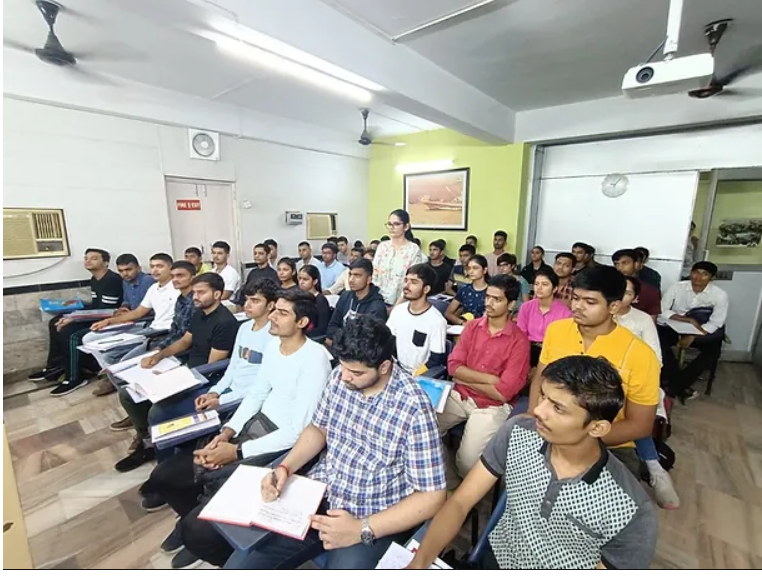



In recent years, education app development has become a popular and rapidly growing field. With the rise of mobile technology and the increasing use of digital tools in education, app developers are creating innovative solutions to address the challenges facing students, teachers, and educational institutions. Education apps offer a range of benefits, from improving student learning outcomes to enhancing administrative efficiency for educational institutions.
Let's discuss the specific challenges developers face when creating education apps, as well as the opportunities to improve the learning experience for students, support teachers, and improve efficiency for educational institutions.
Challenges in Education App Development:
Developing an education app presents unique challenges that must be addressed to ensure success. Here are some of the main challenges faced by developers in the education app space:
1) Meeting the specific needs of different user groups (students, teachers, parents, etc.): Education apps must cater to the specific needs of different user groups, including students, teachers, parents, and administrators. Each group has different needs and preferences, and the app must be designed to provide value and support to all of them.
2) Ensuring the app is accessible and usable for people with different abilities: Education apps must be designed with accessibility in mind, so they can be used by people with different abilities, including those with visual, hearing or mobility impairments. This can be a significant challenge for developers, who must consider a wide range of accessibility issues when designing the app.
3) Keeping up with the latest technology trends and adapting to changing user needs: Technology evolves rapidly, and developers must keep up with the latest trends and innovations to stay ahead of the competition. They must also be able to adapt to changing user needs, such as the shift towards mobile-first and remote learning.
4) Addressing concerns around privacy and security: Education apps often collect and store sensitive user data, such as personal information and academic records. It's essential that developers take measures to protect user privacy and ensure that the app is secure against data breaches and cyber-attacks.
Opportunities in Education App Development:
While there are certainly challenges to developing education apps, there are also many opportunities that make this field so exciting. Here are some of the main opportunities for education app development:
1) Providing new and engaging ways for students to learn and practice new skills: Education apps can provide an interactive and engaging learning experience that makes it easier and more enjoyable for students to learn new concepts and skills. Interactive simulations, games, and quizzes are just a few examples of the types of tools that can be included in an education app to make learning more engaging and fun.
2) Enabling teachers to better manage their classrooms and communicate with students and parents: Education apps can help teachers manage their classrooms more efficiently by providing tools to track attendance, assignments, and grades. They can also enable teachers to communicate with students and parents in real-time, making it easier to provide feedback and answer questions.
3) Streamlining administrative tasks and improving operational efficiency for educational institutions: Education apps can help schools and universities streamline administrative tasks, such as scheduling, billing, and record-keeping. By automating these processes, schools can save time and money and improve operational efficiency.
4) Improving access to education for people in underserved communities: Education apps can be used to improve access to education for people in underserved communities, such as rural areas or developing countries. By providing digital resources
and tools, education apps can help bridge the education gap and ensure that everyone has access to quality education.
Now let's discuss some of the best practices for education app development:
In order to create successful education apps, it's important to follow best practices that ensure the app is accessible, usable, and valuable for its target audience. Here are some of the key best practices for education app development:
1) Conducting user research and testing to ensure the app meets the needs of the target audience: Before developing an education app, it's important to conduct thorough user research to understand the needs and preferences of the target audience. This can include surveys, interviews, and focus groups with students, teachers, and administrators. User testing should also be conducted throughout the development process to ensure that the app meets the needs and expectations of its users.
2) Designing for accessibility and usability for people with different abilities: Education apps should be designed to be accessible and usable for people with different abilities, including those with visual, auditory, and motor impairments. This can include features such as text-to-speech functionality, high contrast modes, and adjustable font sizes.
3) Following best practices for privacy and security: Education apps may collect sensitive information, such as student data and personal information, so it's important to follow best practices for privacy and security. This can include using secure data storage, implementing two-factor authentication, and complying with data protection regulations such as GDPR.
4) Leveraging emerging technologies, such as AI and machine learning, to improve the app's functionality and user experience: Emerging technologies can be used to enhance the functionality and user experience of education apps. For example, machine learning algorithms can be used to personalize the learning experience for individual students, while AI-powered chatbots can provide instant support and feedback.
Conclusion:
Education app development has the potential to transform the way students learn, teachers teach, and educational institutions operate. However, there are also challenges to be addressed, such as meeting the needs of different user groups and ensuring the app is accessible and secure. By following best practices for education app development and leveraging emerging technologies, education app developers can create apps that meet the needs of their target audience while providing engaging and effective learning experiences.
If you are looking to develop an education app, it is important to partner with an experienced education app development company. A reliable company can help you navigate the challenges and opportunities in the education app market and create an app that meets your specific needs and goals.