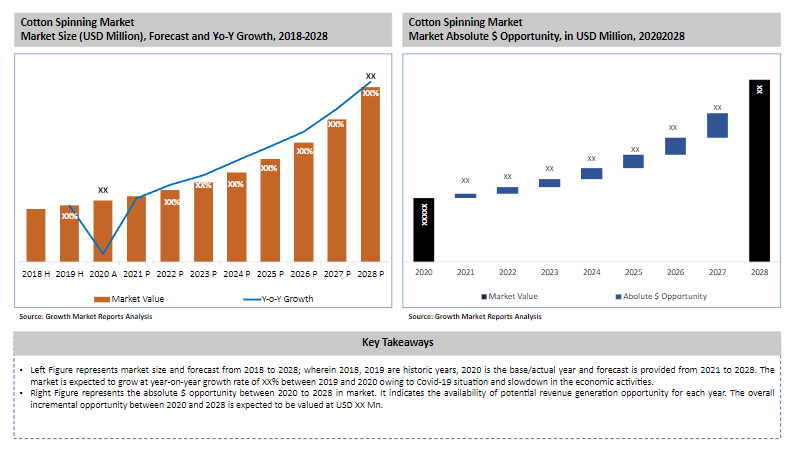


Over the last few years, the total installed capacity in Indian spinning mills has been increasing steadily (in keeping with global trends). Buoyed by robust demand levels, the capacity utilisation figures (including Utilisation of Machines, or UoM) is gradually improving too. Even so, there are several problems that affect the operational efficiency and overall productivity of even the top spinning mills. Many of these issues stem from using substandard spinning cans and/or other sliver handling systems - as well as sub-optimal usage of spinning machinery. Here’s an overview of some common problems that mill-owners need to be wary of:
Various Types Of Sliver Imperfections
Handling fine sliver on the mill floor requires a lot of skill and expertise. In addition, high-quality spinning cans need to be used - so that the original sliver parameters are maintained at all times (including the high-speed rotation phases). However, at many mills, apparently small problems like sliver deflections, sliver breakage and sliver stretching can lead to the final yarn quality being compromised. Damaged sliver cannot be used to generate yarns of the desired quality - while the mill productivity levels are also hit.
While sliver imperfections are commonly encountered at various mills, resolving them is relatively straightforward. The onus is on mill operators to source and use cans with high-quality springs (pantograph springs or box-type springs, based on the can diameter). The presence of such springs makes sure that the spinning process becomes smoother, and sliver load management remains hassle-free. For making the best yarns, using the best HDPE sliver cans is an absolute must.
Uniformity Of Yarns Affected By Sliver Mix-Ups
As a traditionally labour-intensive industry, the Indian textile spinning sector has its own share of challenges & limitations. Primary among them is the risk of different sliver varieties (i.e., of different qualities) getting mixed up, due to manual oversights. Such ‘sliver mix-ups’ make the yarns non-uniform, and of poorer grades. On mill floors, workers can also make the error of feeding the wrong type of sliver in the spinning machinery at any particular stage (combing, carding, draw framing, or others). This, in turn, increases the risks of mechanical glitches and resultant downtimes.
To counter this problem, the best option is to gradually phase out manual operations (as much as possible), and replace them with smart automation. For instance, the spinning cans being used may have distinct identification bands (ID bands) - with the band colours varying according to the sliver type in the respective cans. Having a centralised control to ensure greater visibility can also help matters in a big way.
Material Incompatibilities, Glitches and Downtimes
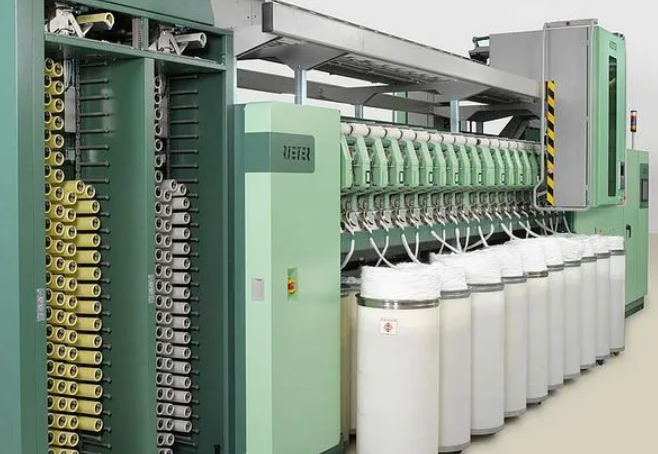
Most premium and renowned mills have spinning machinery from the top OEMs (e.g., Reiter, Saurer, Trützschler, LMW, Marzoli, etc.), as part of their setups. However, productivity/yarn quality can go for a toss if the sliver cans chosen are not compatible with the different types of spinning machines. When the usability of cans depends on the machinery, their operations become limited. Chances of long system downtimes (and productivity downgrading, as a direct consequence) also go up significantly.
To help mills eliminate concerns over mechanical incompatibilities, leading spinning can manufacturers have OEM-agnostic sliver handling solutions in their portfolio. The cans designed by these companies (available in various diameters and sizes) are usable with all the types/models of spinning machinery. The bottomline is simple enough: mills need to use spinning cans and accessories that are fully compatible with their mechanical infrastructure.
Poor Can Utilisation Due To Lack Of Visibility
At the relatively larger spinning mills, manually tracking the sliver status in each individual can is unduly time-consuming (and, at times, impossible). As a result, there are chances of empty sliver cans remaining idle for prolonged periods - when they could have been easily used. Sub-optimal can utilisation impacts the total installed capacity usage, and is a common roadblock for mills in their path towards achieving target production figures annually.
Once again, technology offers a way out from this problem. With the growing ubiquity of Industry 4.0 and ‘connected things’, mills can easily take advantage of Industrial Internet of Things (IIoT) to optimise can utilisation on mill floors. Top sliver management solution providers, like Jumac Cans, are coming up with innovative technologies - to help mill-operators track the sliver status in cans on a real-time basis (in a centralised dashboard). Such ‘last mile traceability’ ensures that cans are replaced without any delays, and there is more overall control over every stage of spinning. Data-backed automation is indeed the future.
Sliver Mobility Problems Due To Fluff Accumulation
No matter how ‘clean’ a mill’s day-to-day operations are, there is always plenty of dust and fluff on the floors. Now, if these ‘waste material’ gets stuck on the caster wheels of spinning cans, sliver movements become non-uniform. Sliver parameters can also get affected in the absence of proper storage options. Unless material handling is uniform, mills cannot maintain the requisite yarn quality standards.
Mill-owners are aware of these problems, and that’s precisely why the demand for dust/fluff-free caster wheels (that ensure smoother, better sliver movements) is on the rise. Spinning solution providers are also coming up with innovative, precision-designed casters with ‘always-clean’ features. These quality-assured caster wheels ensure that there is no jamming or blockage due to dust/fluff.
The spinning industry is evolving rapidly - both in terms of mill operations, as well as yarn quality levels. With demands burgeoning, it is of utmost essence to understand spinning can or machinery-related problems, what factors might undermine mill productivity, and take measures to resolve such issues. The market is a hugely competitive one - and it’s only by adhering to stringent output quality parameters, can spinning mills stay ahead of the curve.