


A punching press is a type of machine tool used in metalworking and manufacturing to cut, shape, or form metal sheets and other materials using a punching tool or die. The punching press consists of a frame, a ram or slide, a punching tool or die, and a feeding system. The feeding system is used to position the metal sheet or other material for punching or cutting, while the punching tool or die is designed to cut, shape, or form the material to the desired shape.
Depending on the application and specifications, they can be operated manually, semi-automatically, or fully automatically. Additionally, some punching presses have features like automatic material detection, adjustable feed rates, and adjustable stroke lengths.
Synopsis of The Punching Press
A punching press, also known as a punching machine, is a type of machine tool used in metal fabrication and manufacturing. The primary function of a punching press is to cut, form, or shape metal sheets and other materials using a punching tool or die. Punching presses are widely used in various industries, including automotive, aerospace, construction, and electronics.
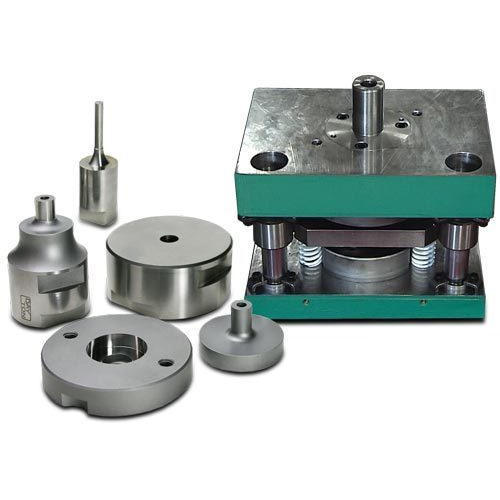
The basic components of a punching press include a frame, a ram or slide, a punching tool or die, and a feeding system. The feeding system, also known as a sheet metal feeder, is used to move the metal sheet or other material into position for punching or cutting. The punching tool or die is typically made of hardened steel and is designed to cut, form, or shape the material to the desired shape.
Punching presses are available in a variety of shapes and sizes, from compact benchtop models to large industrial equipment. Depending on the application and specifications, they can be operated manually, semi-automatically, or fully automatically.
High productivity, consistent quality, and high precision are some benefits of using a punching press.
Punching presses can be used to accurately and consistently produce a wide variety of parts and components. Additionally, they can run continuously, enabling high throughput and effective labor use.
Nevertheless, there are some restrictions associated with using a punching press. For instance, they might not work well with some materials, like very hard or thick metals. Additionally, they might need routine maintenance, and when in use, they might make a lot of noise and vibration.
Critical Tips for Choosing the Right Punching Press
To get the best results and highest productivity when choosing a punching press for a particular application, it's crucial to take into account a number of factors. Here are some tips for choosing the right punching press:
● Material:
The type and thickness of the material to be punched are crucial factors in selecting a punching press. Some materials may require a more powerful or specialized punching press to achieve the desired results.
● Production volume:
The production volume or throughput required for the application is another crucial factor in selecting a punching press. If high-volume production is required, a fully automated punching press with a high feed rate may be the best choice.
● Accuracy and precision:
The required accuracy and precision of the punched parts or components should also be considered when choosing a punching press. Some models have advanced features, such as adjustable stroke length, that can help achieve precise and consistent results.
● Die changing:
Consider the frequency and complexity of die changes needed for the application. If the material and part designs require frequent die changes, a press with quick-change tooling may be more suitable.
● Maintenance and service:
The availability of maintenance and service for the punching press should also be considered. Choose a manufacturer or supplier with good technical support and a reliable service network.
● Budget:
The cost of the punching press is also a crucial factor. Consider the initial cost, ongoing maintenance costs, and potential ROI to make an informed decision.
Conclusion
Choosing the right punch press for a specific application is crucial to achieving optimal results and maximizing productivity. It's essential to consider factors such as the type and thickness of the material to be punched, the required accuracy and precision, production volume, die-changing requirements, maintenance and service, and budget. By carefully taking into account these variables, it is possible to choose the best punching press that satisfies the particular needs and guarantees the
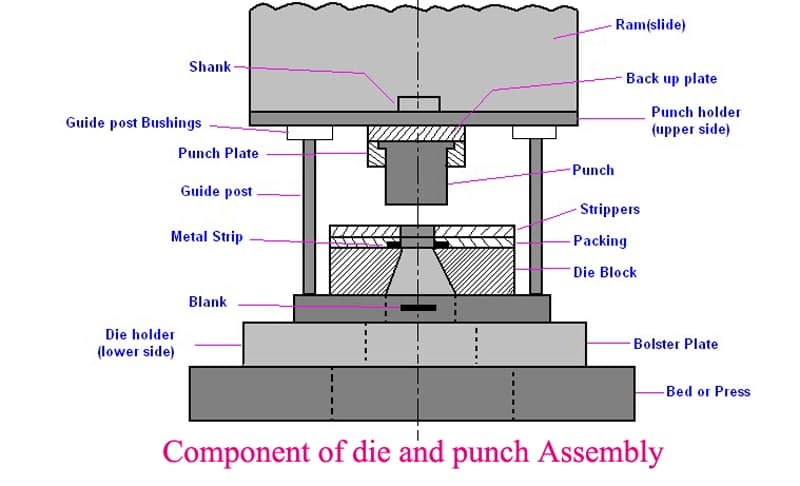
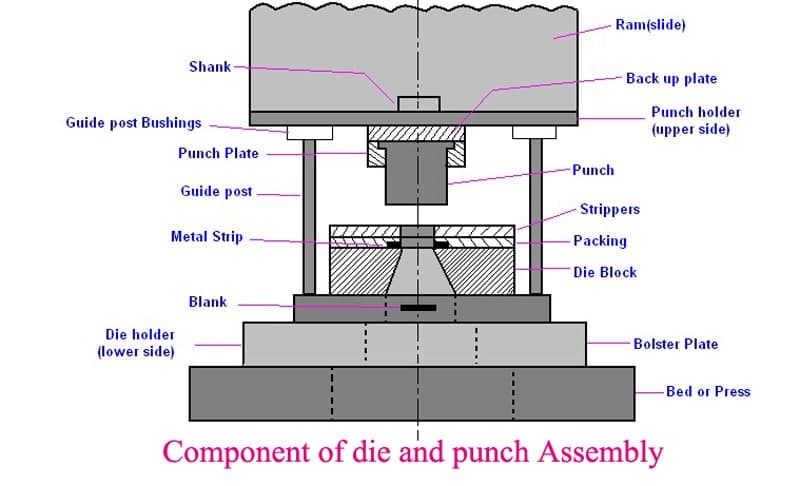
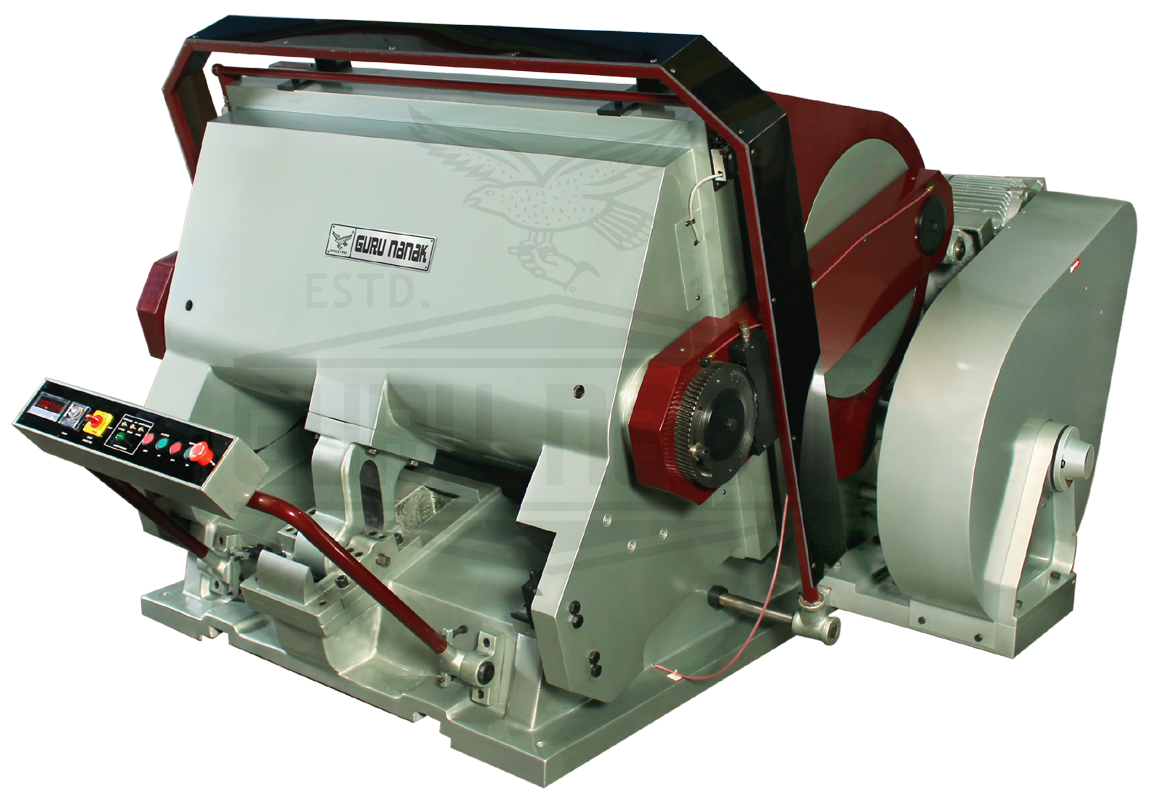
Die punching machine is a tool for punching and embossing flat sheet-materials to produce form-features needed as mechanical element and to extend static stability of a sheet section.
It is suitable for paper, card boards, corrugated boards.
The die punching machine is fitted with the electromagnetic clutch, timer control, oil lubrication system, counter, motor, and feeding & delivery table.
It comes in automatic and semiautomatic operation and used in various industries such as construction and others.
Free Sample Report + All Related Graphs & Charts @ : https://www.advancemarketanalytics.com/sample-report/159573-global-die-punching-machine-market Latest released the research study on Global Die Punching Machine Market offers a detailed overview of the factors influencing the global business scope.
This Report also covers the emerging player’s data, including: competitive situation, sales, revenue and global market share of top manufacturers are Neelkanth Machinery Company (India), Friends Engineering Company (India),Global Cutting Technologies (United Kingdom),Senior packaging machinery (India),Schober Technologies (Germany),Precision machines and Automation (India),Daya Engineering Works Pvt.