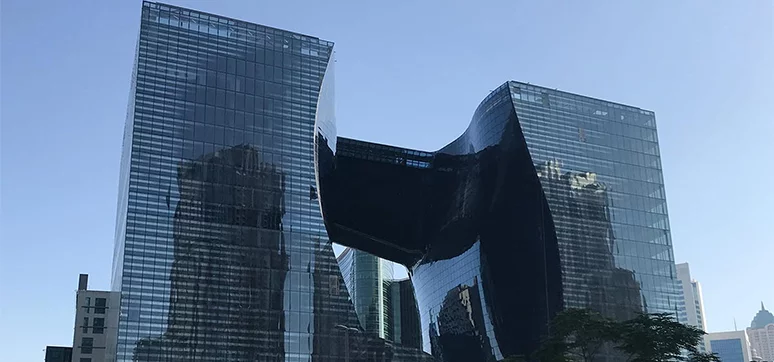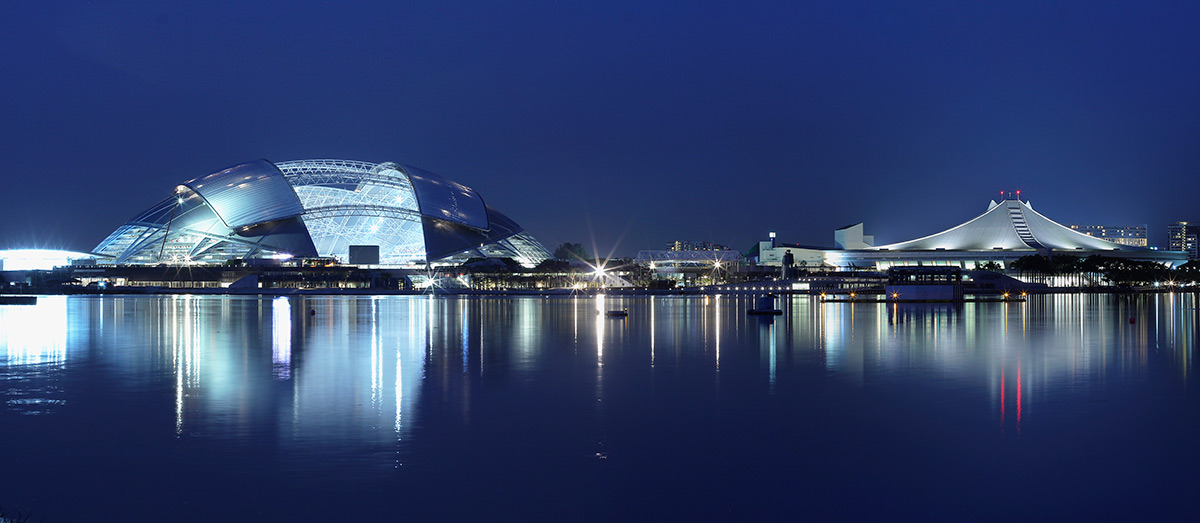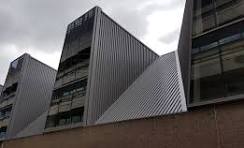
The current trends in cladding materials based in the UAE market, and I would say even globally, are fibre cement panels, aluminium panels, and solar panel façade cladding (photovoltaic glass panels) including timber and stone cladding. I believe that the increase in the utilisation of these materials over the years is highly driven by several core factors such as durability, design versatility, aesthetic appeal, and functionality.Over the years, aluminium panels have been a trusted cladding ally of architects as it has never failed to give impressive results. It is durable, lightweight, can be thermally efficient and shaped endlessly in response to the building design. Of course, the ingenuity of the architect will greatly affect the extent of usage and the manipulation of the material to fit however ambitious a design will or can be. Predictably, it would be safe to say that this type of cladding material will remain in the market for many years.I can say that one of the major challenges of the industrial cladding segment in the Middle East, specifically here in the UAE is complying with the new UAE codes. Although I would consider this to be a very good initiative of the UAE government in preventing fire incidents. Rules and regulations pertaining to the suppliers, manufacturers, and installers of industrial cladding (as they are increasing in number) should be strictly implemented as negligence is very common. Cases of improper installation have caused various scenarios like rainwater leakage, detached cladding from the system, and worst is cladding falling to the ground secondary to strong winds and sandstorms.
https://wfmmedia.com/choice-of-cladding-material/