Are you interested in picking up the paintbrush but not sure where to start? Because of the abundance of options now accessible, we are at a loss as to where to begin. Although I enjoyed using watercolors for a while, now that I'm mostly an oil painter, I wonder whether it was the ideal medium for me to learn on. Schools and beginning art programs often utilize watercolors, but are they the ideal medium for learning the basics? There are several arguments in favor of using oil paints (or against, depending on your own preferences and artistic philosophy):
Cleaning Watercolors Is Simpler
Watercolors are water-based and can be removed from most surfaces with water or by washing (although certain pigments may stain; magenta is usually one I've seen to be especially awful for this). Nevertheless, oil colors need very immediate cleanup with solvents or baby wipes to remove off surfaces, and they are almost hard to remove from clothing (though I have found that minor spots could be alleviated by cleaning with a baby wipe when the paint is new).
Oil Paintings Are Easy to Fix
As you probably already know, it may be difficult to remove errors from watercolors without harming the paper. Fortunately, this is considerably less of a hassle when working with oil paints since you can just scrape back the paint with a palette knife (or, if the paint layer is thin, wipe it off with a cloth) and paint over it. Painting over errors is considerably simpler with oil paints, especially if you have to paint white over a dark hue.
Oil Painting Requires Additional Supplies.
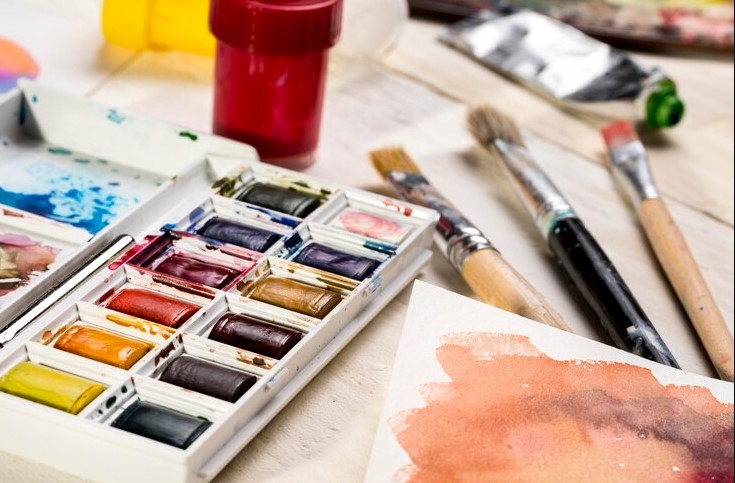
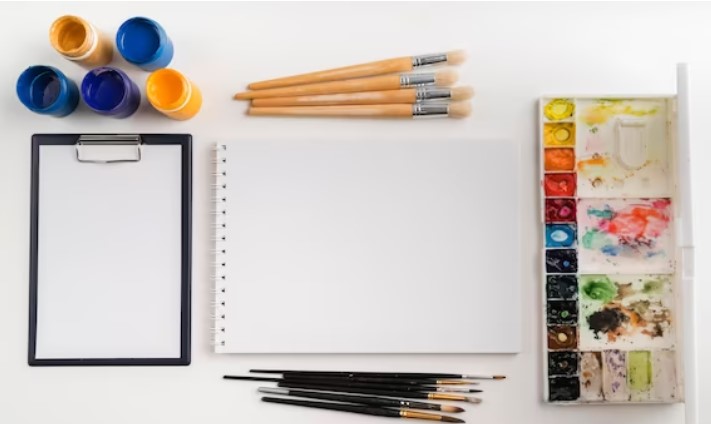
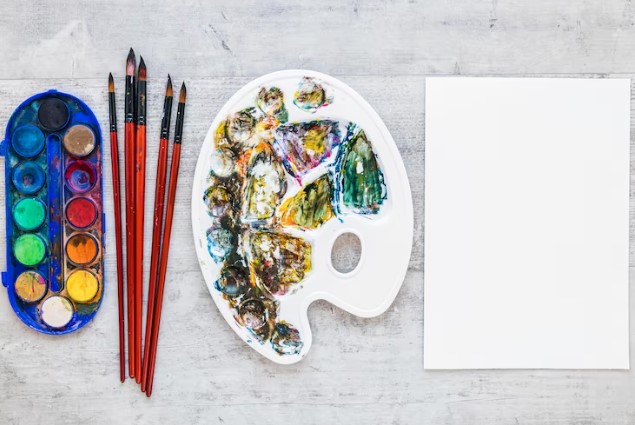
Watercolor supplies are widely available, and if you have water brushes, you may even use them on the fly. Nevertheless, oils often need more resources and aren't as simple to include in a portable kit. Watercolors are the superior choice if you need something portable and easy to use.
Watercolors Are Better For A Natural Messy Appearance
Watercolors may be sloppily applied for a pleasingly "messy" result. Oil paints make it considerably more challenging to create dirty effects that are visually pleasing unless you're trying for thick impasto painting.
Watercolors Are Matte, But Oil Paintings Shine
Maybe this will have a significant impact on the final look of your artwork. Watercolor paints are notoriously difficult to make seem glossy, in contrast to oil paintings, for which matte varnish may be used to get the desired effect. Nonetheless, this may be less of a hassle while photographing.
Canvases and panels are more expensive than watercolor paper
Watercolor paper is probably more cost-effective in the long run, even if you're painting on a cheap surface like MDF. Yet, if you're in need and dead bent on oils, priming thick paper with gesso works surprisingly well, despite the fact that it's not the ideal option for long-term preservation.
Conclusion
The beauty of a messy natural appearance (why not go crazy with washes and splotches of paint?); you're looking for a medium that you can "pick up and go" with; watercolors may be your best choice.
And if you are interested in getting watercolors, check out Watercolor paint UAE.